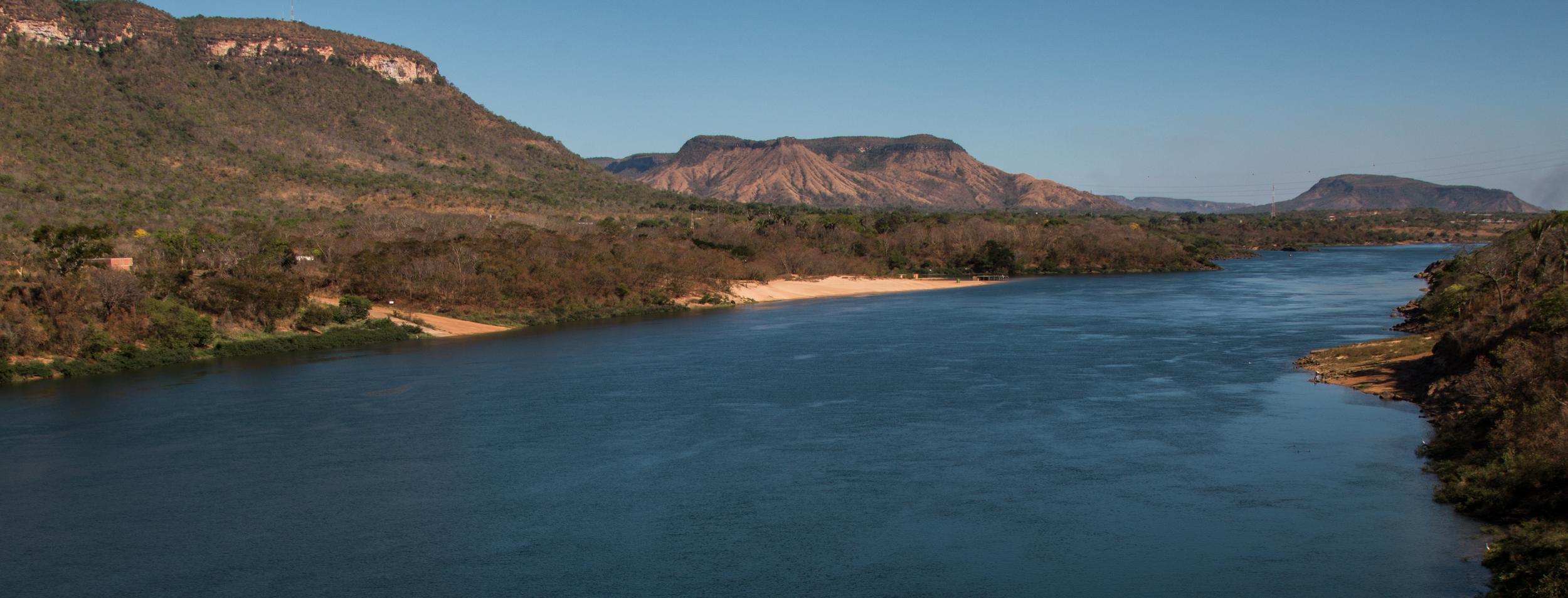
Palm oil and soy are an invisible part of our daily lives, found in everything from cooking oils and baked goods to animal feed.
While the farming of these crops supports the livelihoods of millions, they also can be major drivers of deforestation, biodiversity loss, carbon emissions and social conflict over land.
KFC, along with the restaurant brand’s global parent company Yum! Brands, is part of a growing effort among companies, governments and civil society working together in regions where palm and soy are grown to build a more resilient supply chain. Palm oil and soy are key commodities for KFC — palm oil for frying its chicken and soy as feed for chickens. The aim of this work is to protect nature, improve sustainable production, minimize supply chain disruptions and ensure smallholder farmers are treated fairly.
Through its multi-year partnership with Conservation International, KFC is helping to strengthen initiatives to improve palm oil and soy production at the landscape level in Ecuador and Brazil where the brand has over 430 restaurants1. Both initiatives are aligned with national efforts to reduce deforestation, cut greenhouse gas emissions, and protect the Amazon rainforest and the savannas of the Cerrado.
This collaboration builds on government-led efforts to promote sustainable production through better land management, monitoring and conservation. KFC’s flexible funding will help Conservation International focus on high-priority activities that strengthen collaboration, attract new investment, and accelerate positive, large-scale impacts for both people and nature.
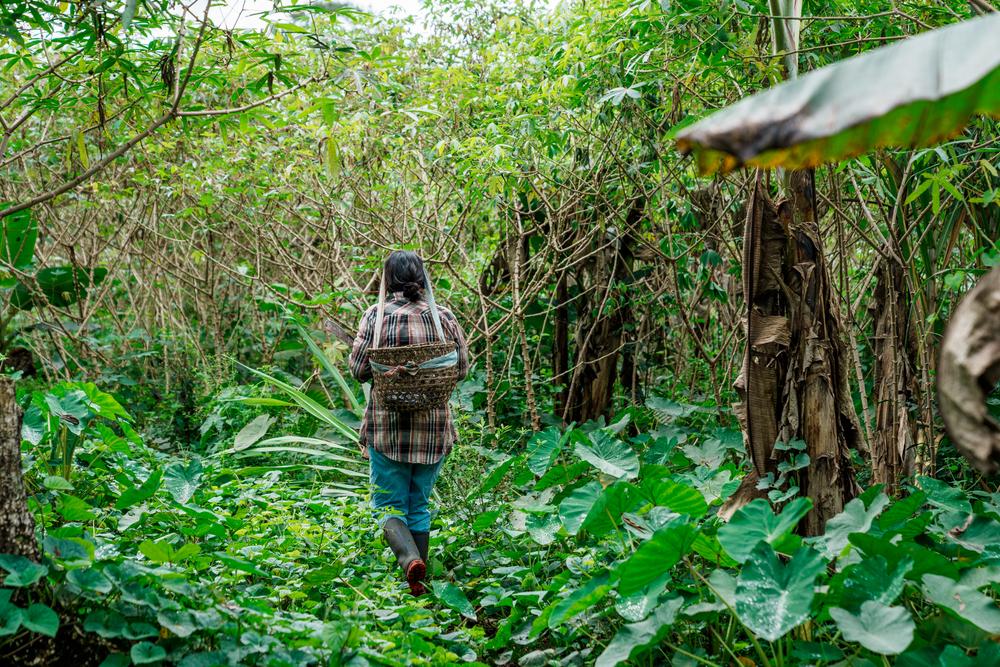
Protecting forests and improving palm oil production in the Ecuadorian Amazon
The Ecuadorian Amazon, one of the most biodiverse regions on Earth, provides critical ecosystem services — from clean water to climate regulation — and sustains Indigenous communities such as the Kichwa, Siekopai and Siona. But the region faces growing threats from deforestation driven by palm oil expansion, especially in the northern Amazon.
Since 2013, Conservation International-Ecuador has partnered with government agencies, local communities and the private sector to address these challenges — promoting sustainable land use, strengthening the systems that guide how forests are managed and supporting deforestation-free palm oil production. In the northern Amazon, Ecuador is piloting a new approach to jurisdictional certification under the Roundtable for Sustainable Palm Oil (RSPO), tying better production practices with national climate and REDD+ commitments.
With support from KFC, Conservation International-Ecuador will engage important stakeholders through webinars and strategic outreach to strengthen demand for sustainable, deforestation-free palm oil and bring new partners and investors into the initiative. By advancing jurisdictional certification under RSPO, we are creating incentives for farmers to transition to more sustainable practices. And we will support ongoing collaboration with local growers and communities to demonstrate links between sustainable palm oil production, biodiversity conservation and a stable climate.
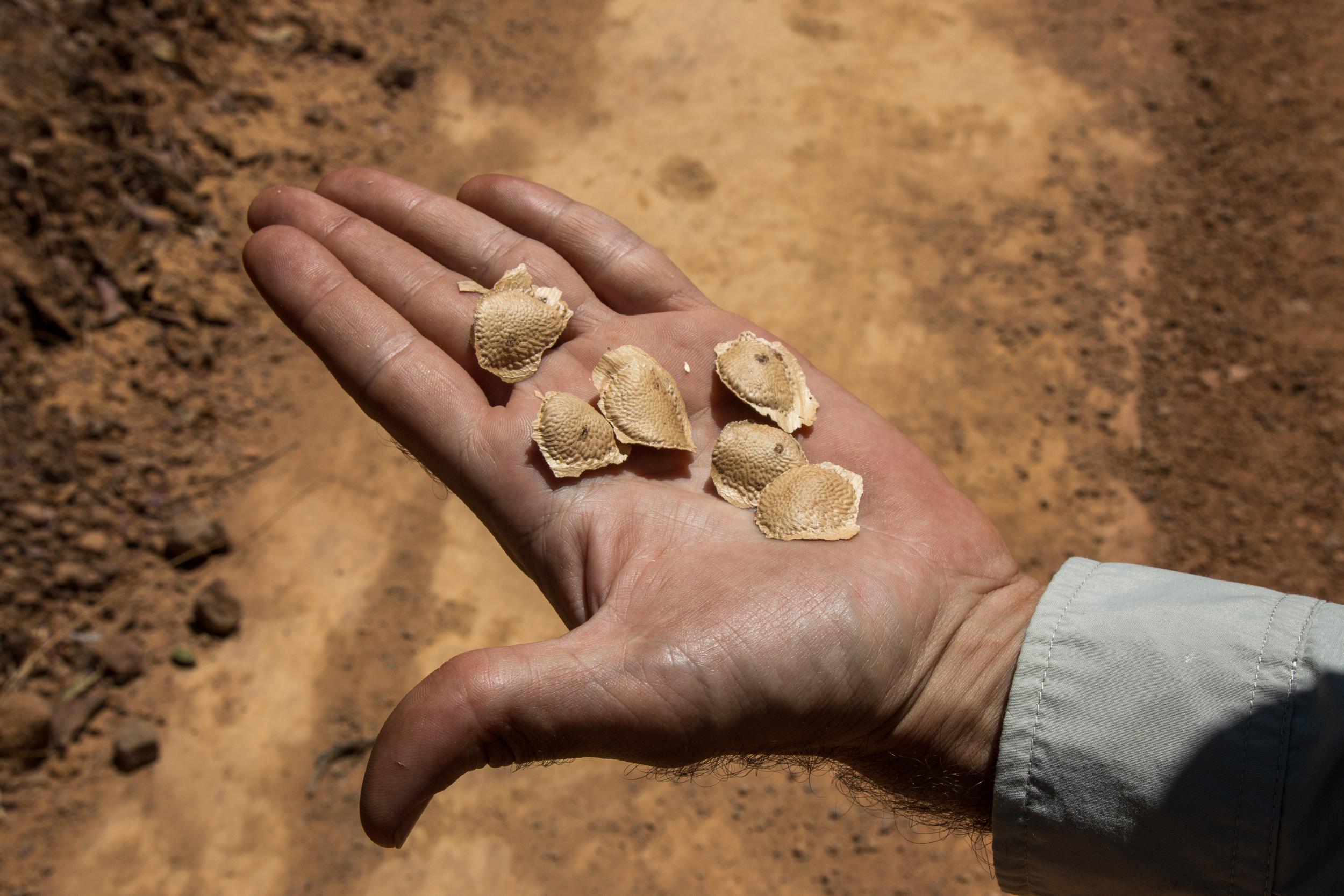
Supporting climate-smart soy production in the Brazilian Cerrado
Located in central Brazil, the state of Tocantins links the Amazon and Cerrado biomes, hosting rich biodiversity but facing rapid habitat loss due to agricultural expansion. Although nearly half its native vegetation has been cleared, more than 14 million hectares of intact Cerrado savanna remain, much of it on vulnerable private lands. Since 2017, Conservation International-Brazil has focused on reducing forest and nature loss by strengthening governance, promoting low-carbon and regenerative agriculture and supporting efforts to meet Brazil’s Forest Code.
The initiative aims to build multi-stakeholder collaboration, enhance technical capacity, and create incentives for sustainable production, conservation, and restoration, aligning with the state’s 2030 targets for climate mitigation and climate-smart soy production. It operates across three levels — coordinating stakeholders across the landscape, supporting state and local policy implementation and providing technical assistance directly to farmers.
Support from KFC will build on existing resources and ongoing activities, allowing Conservation International to deepen stakeholder engagement in Tocantins, strengthen management and conservation efforts in the APA do Cantão protected area and work with local partners to develop a digital toolkit that guides soy farmers in restoring deforested or degraded lands and meeting the requirements of Brazil’s Forest Code.
1 - Figure reflective of year-end 2025.