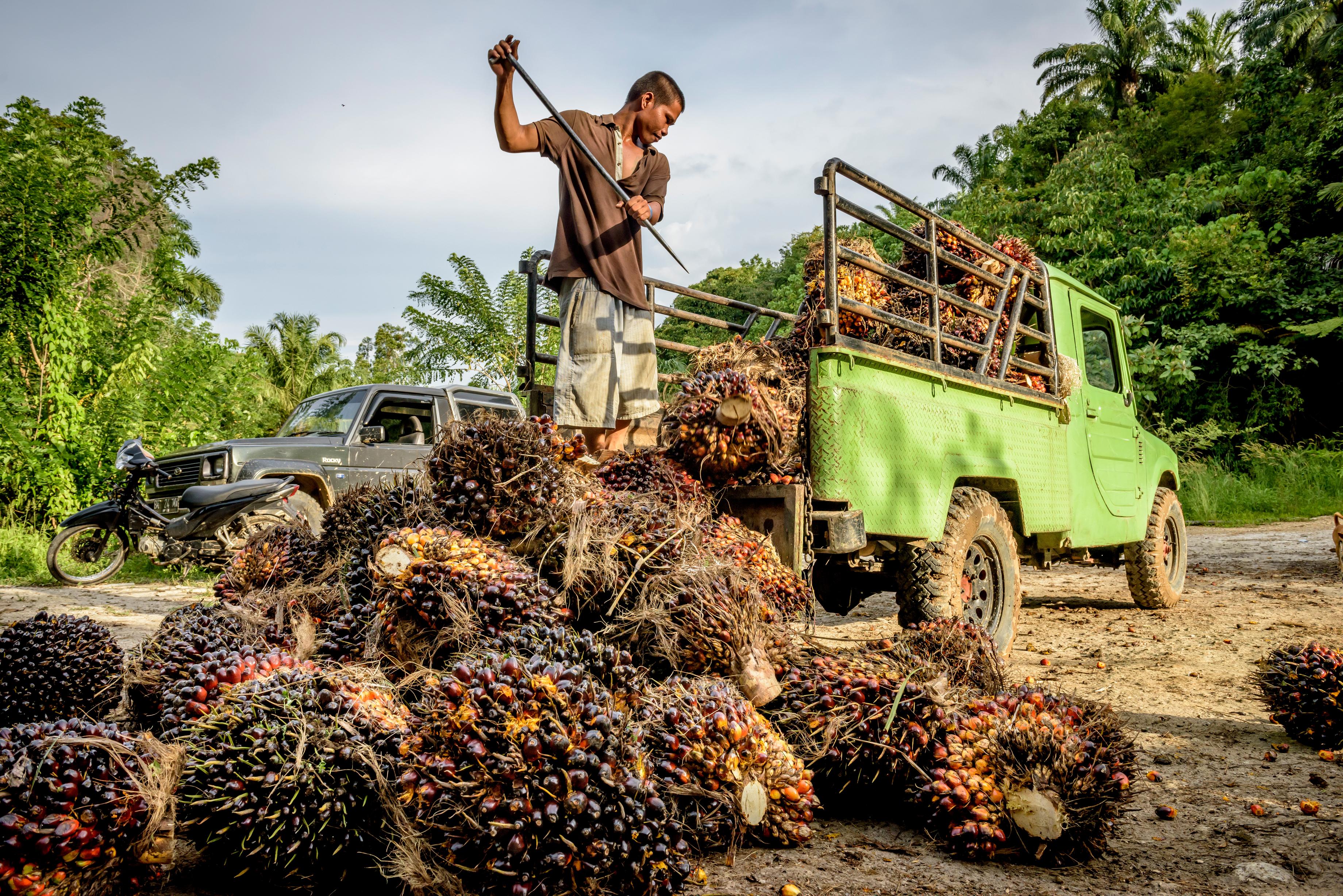
Making sustainability the everyday choice for consumers
What if the world’s largest retailer made sustainability a business imperative?
In 2004, Conservation International posed this question to Walmart as the company faced mounting environmental and social pressure. With Conservation International’s guidance, Walmart saw its potential for large-scale change — not just through its 10,500+ stores in 24 countries, but also through its vast supplier network and 255 million weekly customers. This sparked a lasting collaboration that, for over 20 years, has helped Walmart offer more sustainable choices and set ambitious goals to protect nature.
The basis for collaboration
Walmart’s influence extends beyond its own supply chain, shaping sustainable and equitable sourcing practices for suppliers, competitors and entire sectors. By leveraging its purchasing power and industry reach, Walmart can drive demand for sustainable products while working with the Walmart Foundation to improve production systems and market incentives.
Through its partnership with Walmart, Conservation International aims to accelerate and scale conservation efforts across key lands and seas, restore critical ecosystems, build more resilient supply chains and support communities that rely directly on nature. These efforts aim to significantly reduce agriculture-driven deforestation across Walmart’s supply chains. Achieving this requires an ambitious, cross-sector collaboration with policy support and major shifts in farming practices.
Raising the bar together
Strategies
- 2004: Conservation International and partners measure Walmart’s environmental impact.
- 2006 – 2007: Conservation International advises Walmart on innovative sourcing strategies for agricultural products, jewelry and seafood through their Sustainable Value Networks.
- 2015: Conservation International reviews Walmart’s sourcing practices and advises on new strategies to make key agricultural products more sustainable.
- 2019: Conservation International assesses Walmart’s impact on nature, identifying opportunities for Walmart to create positive impact.
Outcomes
- 2005: Walmart announces its first three sustainability goals focused on renewable energy, waste, and sustainable products.
- 2010: Walmart announces their first global goal on sustainable agriculture.
- 2016: Walmart sets a goal to source at least 20 everyday products more sustainably by 2025.
- 2020: Walmart sets a target to protect, more sustainably manage and/or restore 50 million acres of land and 1 million square miles of ocean by 2030.
After a key executive consultation in 2004, Conservation International helped Walmart measure its environmental impact, leading to its first sustainability goals in 2005: transitioning to renewable energy, reducing waste, and sourcing more sustainable products. Conservation International continued to advise Walmart through its Sustainable Value Networks, focusing on better sourcing for agricultural products, jewelry and seafood. A few years later, Walmart set its first Sustainable Agriculture Goals.
In 2015, Conservation International evaluated Walmart’s sustainable sourcing policies and identified areas for improvement in key products like palm oil, beef, soy, coffee, cocoa and seafood. This work helped expand Walmart’s sustainability efforts, including a new goal to source at least 20 everyday products more sustainably by 2025. To support this, Conservation International created implementation guides to help Walmart put its policies into action.
In 2019, Conservation International worked with Walmart to assess its biggest environmental impacts, risks and opportunities. The review examined Walmart’s sourcing footprint across 13 major products and identified ways for Walmart and the Walmart Foundation to reverse nature loss. As a result, in 202, Walmart set a first-of-its-kind goal for a global retailer: By 2030 it aims to protect, restore or sustainably manage 50 million acres of land and 1 million square miles of ocean — expanding its sustainability goals beyond carbon neutrality and sustainable sourcing. More details on Conservation International’s work with the private sector to develop and advance nature targets can be found here.
Making everyday products more sustainable
Coffee
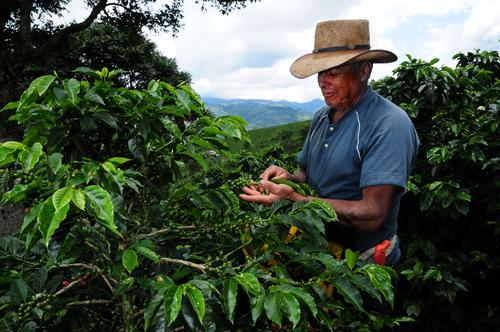
The coffee we drink depends on the health, prosperity and well-being of more than 12 million small farmers across the globe. But rising temperatures, drought and changing weather patterns caused by climate change are causing major coffee-producing areas of the world to become less suitable for production — affecting both the long-term supply of coffee and the millions of people who rely on the coffee industry for their livelihoods.
In 2016, with support from the Walmart Foundation, Conservation International analyzed climate risks in coffee-growing regions (full report found here). This led to strategy with Walmart to make its coffee supply chain more sustainable, including a goal for Walmart U.S. and Sam’s Club U.S. private-brand coffee to be “certified sustainable” by 2025. Additionally, the Walmart Foundation funding a 2019 Conservation International program to map and monitor coffee’s role in forest conservation in Colombia and Indonesia. The research explores how climate change will likely shift coffee production into new areas, accelerating deforestation. By equipping decision makers with better data, Conservation International hopes to drive further commitments to zero deforestation in coffee production and sourcing.
Coffee in Colombia
Now, with funding support from Walmart Foundation and others, Conservation International is implementing a place-based initiative in Huila, Colombia.
- Starting in 2022, Conservation International focused on developing a multistakeholder jurisdictional approach to improve coordination and alignment of local public and private bodies to better respond to the environmental challenges facing coffee and cocoa communities. Known locally as the HYLEA Pact, the jurisdictional initiative has grown to over 30 members representing government, businesses, civil society and academia across 14 municipalities. Efforts including formalizing a governance structure for HYLEA, establishing a baseline using LandScale, and setting 2030 goals for the region. Additionally, Conservation International worked to restore and protect 761 hectares of land for improved landscape connectivity and ecosystem health.
- Starting in 2025, Conservation International will work to ensure the longevity of the local multistakeholder jurisdictional approach, and continue the transition of Huila, Colombia, to a low-emissions, regenerative landscape by refining tailored yet scalable models for restoration and regenerative agriculture, cultivating a greater sense of joint ownership among stakeholders, determining an approach for making impact claims and developing a long-term, integrated financial strategy that stimulates additional funding for coffee landscapes.
Palm oil
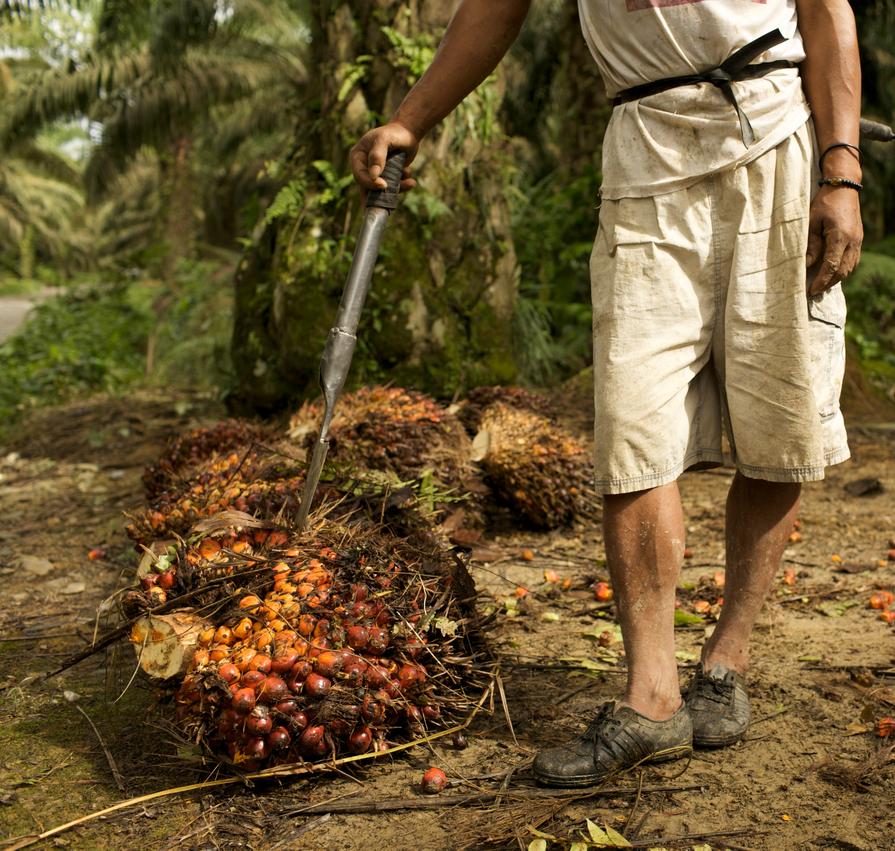
From cosmetics to cookies, palm oil is found in about half the products on supermarket shelves. It is an incredibly versatile ingredient and efficient crop – oil palm trees produce up to 10 times more oil per hectare than any other vegetable oil. Rapid expansion of oil palm plantations, however, has historically been linked with severe environmental and social consequences. Deforestation, draining and burning of carbon-rich peatlands, and land conflict with rural communities are all well-documented risks of irresponsible palm oil production and expansion.
To address these issues, companies have made commitments to source sustainable palm oil in their products and expand the adoption of good agricultural practices on existing farms. This provides an opportunity to improve farmer livelihoods and protect surrounding forests – all while meeting the world’s growing demand for vegetable oils.
Recognizing this opportunity, Walmart took its first steps in 2010, setting a goal to globally source 100 percent certified sustainable palm oil for all its private brand products by 2015. Conservation International helped Walmart make progress toward that goal, first supporting efforts to understand Walmart’s current palm oil sourcing across its many product lines, then identifying opportunities to work with suppliers to transition to certified sources. This early work provided a strong foundation for Walmart’s continued advancement of its sustainable palm oil strategy.
In 2015, Conservation International helped Walmart shape its Forests Policy, analyzing Walmart’s sustainable sourcing efforts for palm oil and other products that traditionally contribute to deforestation. This analysis reflected the growing recognition that systemic solutions beyond certification were needed. As a result, Walmart began implementing place-based initiatives that seek to integrate and scale sustainable production, conservation and restoration in key agricultural landscapes.
Palm oil in Indonesia
In Indonesia, the Walmart Foundation has supported efforts to convene stakeholders across government, private sector and civil society to drive scale and impact for people and nature.
Since 2018, Walmart Foundation has provided support for the CSL — a collaborative, multi-stakeholder platform which seeks to replicate and scale successful models for conservation, restoration, sustainable commodity production and improved farmer livelihoods at the jurisdictional level in North Sumatra and Aceh provinces.
Through collective action, CSL’s network of members, supporters and district partners are piloting models and pathways to advance sustainable production of palm oil and other commodities and improve natural resource management. We’re also sharing these solutions, lessons and tools through local communities of practice. Through peer-to-peer learning, we are building the capacity of more partners to join us in our efforts to meet shared goals in a region that’s critical for global commodity supply chains and home to carbon-rich forests, peatlands and abundant biodiversity.
Walmart Foundation’s support has been fundamental in bringing stakeholders together to define CSL’s vision for collective action, its role as a convening platform for shared learning and alignment, and its operating and governance model. Starting in 2025, with grant support from Walmart Foundation, we aim to grow and accelerate CSL’s impact by expanding its network of members and district partners who are working towards jurisdictional approaches.
- Improved Forest Protection in Tapanuli Tengah
In 2025, in partnership with Konservasi Indonesia, we are also working to replicate good models for forest management and monitoring across more than 300,000 acres for improved protection and reduced deforestation in the Tapanuli Tengah district of North Sumatra — a region that is home to important forest and biodiversity areas and where palm oil production has increased 150 percent since 2000.
Beef and soy
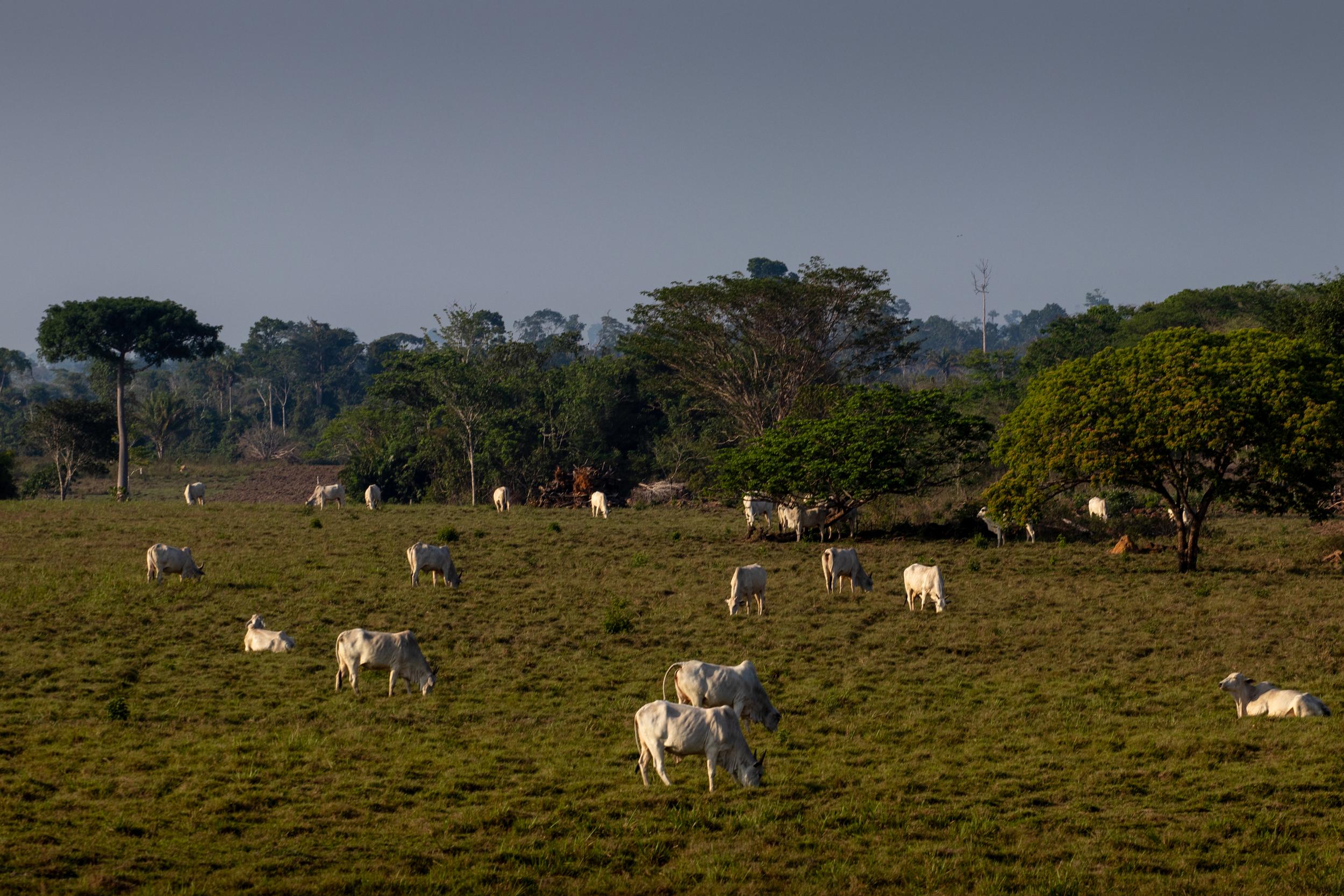
Since the 1960s, the number of cattle in the Amazon Basin has ballooned from 5 million to more than 70 million-80 million. With this increase has come major deforestation. In total, around 15 percent of the Amazon rainforest and portions of the Cerrado ecosystem have been converted to pasture for cattle ranching, as well as soy production.
In 2010, Walmart and Conservation International began developing strategies to ensure that Walmart’s private brand beef and soy products do not contribute to deforestation or land conversion.
Now, with funding support from Walmart Foundation, Conservation International is implementing a place-based initiative in Tocantins, Brazil. Through collaboration with local stakeholders, this effort aims to reduce deforestation, strengthen governance and promote climate-smart agriculture.
Seafood
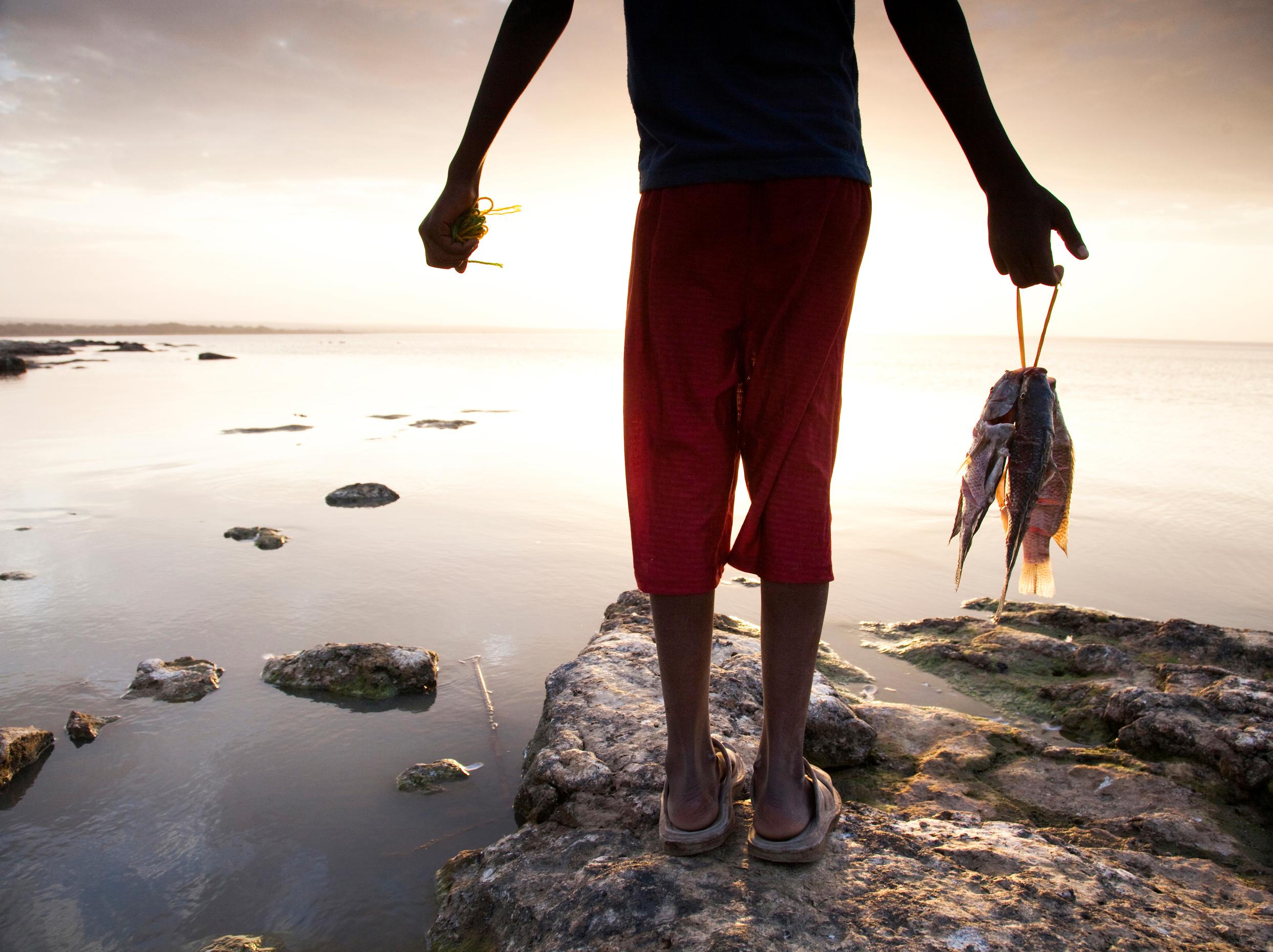
Seafood sustains billions of people worldwide, providing a vital source of protein and supporting the livelihoods of coastal communities. But our oceans are under growing pressure — overfishing, habitat destruction and pollution are depleting marine ecosystems, while labor rights violations put workers at risk. In the past 50 years, global demand for seafood has increased fivefold, pushing an estimated 75 percent of the world’s fisheries to or beyond their sustainable limits and resulting in almost a 30 percent loss in global mangrove habitat.
In 2016, Walmart set a goal to source all fresh, frozen, farmed and wild-caught seafood from more sustainable fisheries by 2025. In 2023, it expanded its seafood policy to improve transparency in tuna supply chains to help address labor and human rights issues, and illegal, unreported and unregulated fishing. With support from the Walmart Foundation, Conservation International is advancing these efforts by promoting responsible fishing, sustainable aquaculture and the protection of vital ocean ecosystems.
Shrimp in Indonesia
With funding support from Walmart Foundation, Conservation International and partners began coordinating a community-developed, place-based improvement program in 2022 to realize economic, environmental and social responsibility in the shrimp aquaculture sector within Banyuwangi, East Java, Indonesia. The project took a participatory approach to the co-development and execution of a plan for improvement to limit ecosystem degradation, improve water quality of effluents, reduce the transmission and amplification of disease, and reduce conflicts with other resource users among the 1,254 hectares of shrimp ponds in the regency.
In 2024, Conservation International and partners began expanding the work to the 2,332 hectares of shrimp ponds in neighboring Situbondo Regency. By aligning incentives among shrimp farmers, other market actors, local and national government, financing institutions and civil society, the project is building the enabling conditions to deliver long-term improvements to the farmed shrimp sector in the region. Through convening and empowering a multi-stakeholder body comprised of key stakeholders and decision-makers, the project is focused on facilitating local actors to lead and iterate on key areas for improvement, in addition to identifying financing models for the long-term implementation costs of the initiative.
Shrimp in Ecuador
In Ecuador’s Gulf of Guayaquil region, Walmart Foundation is supporting Conservation International and partners to design a jurisdictional initiative to improve social and environmental performance of the farmed shrimp sector. The Gulf of Guayaquil region is home to 166,000 hectares of shrimp ponds and 125,000 hectares of standing mangrove forest, both of which offer important livelihood benefits to local residents, in addition to the vast ecosystem services offered by the mangroves. Improved production practices and novel approaches to mangrove conservation and restoration through this project offer the opportunity to protect standing carbon stocks, enhance ecosystem services and build resilient livelihood opportunities.
Tuna in the Western Pacific Ocean
The Western Pacific Ocean hosts the largest tuna fisheries on the planet, accounting for 60 percent of all global tuna catches. Tuna is one of the most important engines of socio-economic development for Pacific Island countries and communities; these fisheries support 25,000 local jobs and generate significant financial flows to Pacific Island countries, accounting for more than 40 percent of government revenue in five small island states. Persistent environmental, climate and social challenges in these fisheries continue to put species, ecosystems and fish workers at significant risk.
Conservation International is working across the region to facilitate collaboration between the local fishing industry, government agencies and seafood buyers to co-create place-based initiatives that maximize the value of tuna fisheries, protect critical marine ecosystems and address human and labor rights violations through aligned incentives, governance and capacity.
Specifically, with funding support from the Walmart Foundation:
- Starting in 2019, as part of Conservation International’s work on social responsibility, we mobilized key leadership in the Cook Islands to co-create and pilot the world’s first practical and auditable jurisdictional standard for tuna, establishing a commodity-specific and regionally relevant set of criteria to support social responsibility, environmental sustainability, effective governance and cultural values for Pacific Island tuna fisheries.
- In 2021, Conservation International began working with Fiji and New Caledonia to collaboratively design and implement jurisdictional initiatives that leverage policy and market-based strategies to progressively improve the environmental and social aspects of tuna fisheries management in national and adjacent waters. In 2024, Conservation International began exploring opportunities to scale these efforts to other island nations, including Samoa and the Cook Islands. Additionally, noting the highly migratory nature of albacore tuna fisheries across the South Pacific, Conservation International is working on a regional strategy for South Pacific tuna that drives sustainable management at a scale that matches the ecological distribution of the target species to ensure their longevity, environmental sustainability and commercial viability.
- Since 2022, Conservation International and partners, including The Nature Conservancy, have been prototyping, trialing and scaling electronic monitoring technologies in the fisheries sector to combat illegal fishing practices and human rights abuses, reducing risk for industry partners and increasing compliance with regulatory requirements.
- Since 2023, Walmart Foundation has supported the Consortium on Social Risks in Seafood, a group comprising Conservation International, LRQA and FishWise. The first-of-its-kind partnership focuses on providing retailers and seafood suppliers with credible guidance on how to assess human and labor rights within seafood supply chains and implement effective, long-lasting remediation and mitigation projects that improve working conditions and livelihoods within the industry.
- In 2024, Conservation International began building capacity for social equity and human rights protections in the tuna sector of the Parties to the Nauru Agreement region, with a preliminary focus on the Republic of the Marshall Islands and the Solomon Islands. This project involves developing a community of practice with key stakeholders, implementing human rights risk assessments and providing capacity-building trainings for both duty bearers (government, industry, civil society) and rights holders (fishers and their communities).
- Starting in 2025, Conservation International will be researching, implementing and scaling connectivity options (Wi-fi) for crews at sea to improve worker welfare and better identify and report labor risks onboard Taiwan-flagged distant-water fishing vessels.
Looking ahead
Together, Conservation International and Walmart are setting ambitious goals and taking real action. Our work continues to evolve, with new initiatives focused on enhancing sustainability in supply chains, reducing carbon emissions and fostering resilient communities. With continued collaboration, we aim to create lasting, positive impacts across the globe for people and nature.