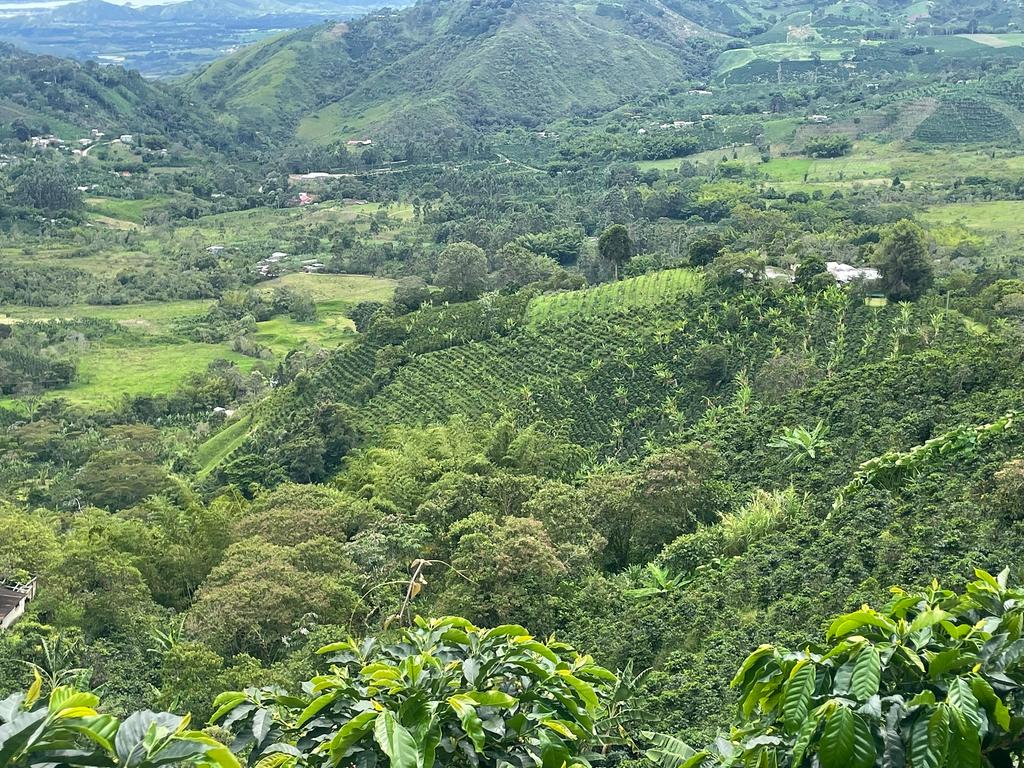
Mobilizing markets to restore and protect nature while advancing regenerative agriculture systems that enable local communities to thrive.
The global economy depends on nature. Yet today’s market systems for food, fiber and fresh water are driving unprecedented biodiversity loss and accelerating climate change. As demand for food and agriculture-based products continues to rise, vulnerable communities, particularly farmers, ranchers and fishers, face increasing risks from climate impacts.
Conservation International created the Center for Regenerative Economies to accelerate the transition toward economic systems that conserve and replenish nature and increase prosperity for communities while ensuring a resilient supply of food and agriculture-based products. Through aligning economic incentives with ecological stewardship, the Center helps ensure that nature can continue to provide the food, water, climate regulation and livelihoods that people everywhere depend upon.
By the numbers
38%
of all land
38% of Earth’s land has been converted to cropland and pasture
85%
of at-risk species
Agriculture has the largest land footprint globally and threatens 85% of the 28,000 species at risk of extinction through habitat loss, land-use change and pollution
33%
of all fisheries
Roughly one-third of global fisheries are overfished
1M
sq. km. of land
At least 1 million square kilometers of healthy land suffer land degradation each year, roughly equivalent to losing twice the area of Greenland
US$ 5T
lost to degradation
The annual loss of ecosystem services from nature degradation is estimated at US$ 4.3 trillion-5.2 trillion (approximately 5%-7% of global GDP)
6M
sq. km. of land
Without change, meeting demand for food and fiber by 2050 could require an additional 6 million square kilometers of land for agriculture — an area twice the size of India
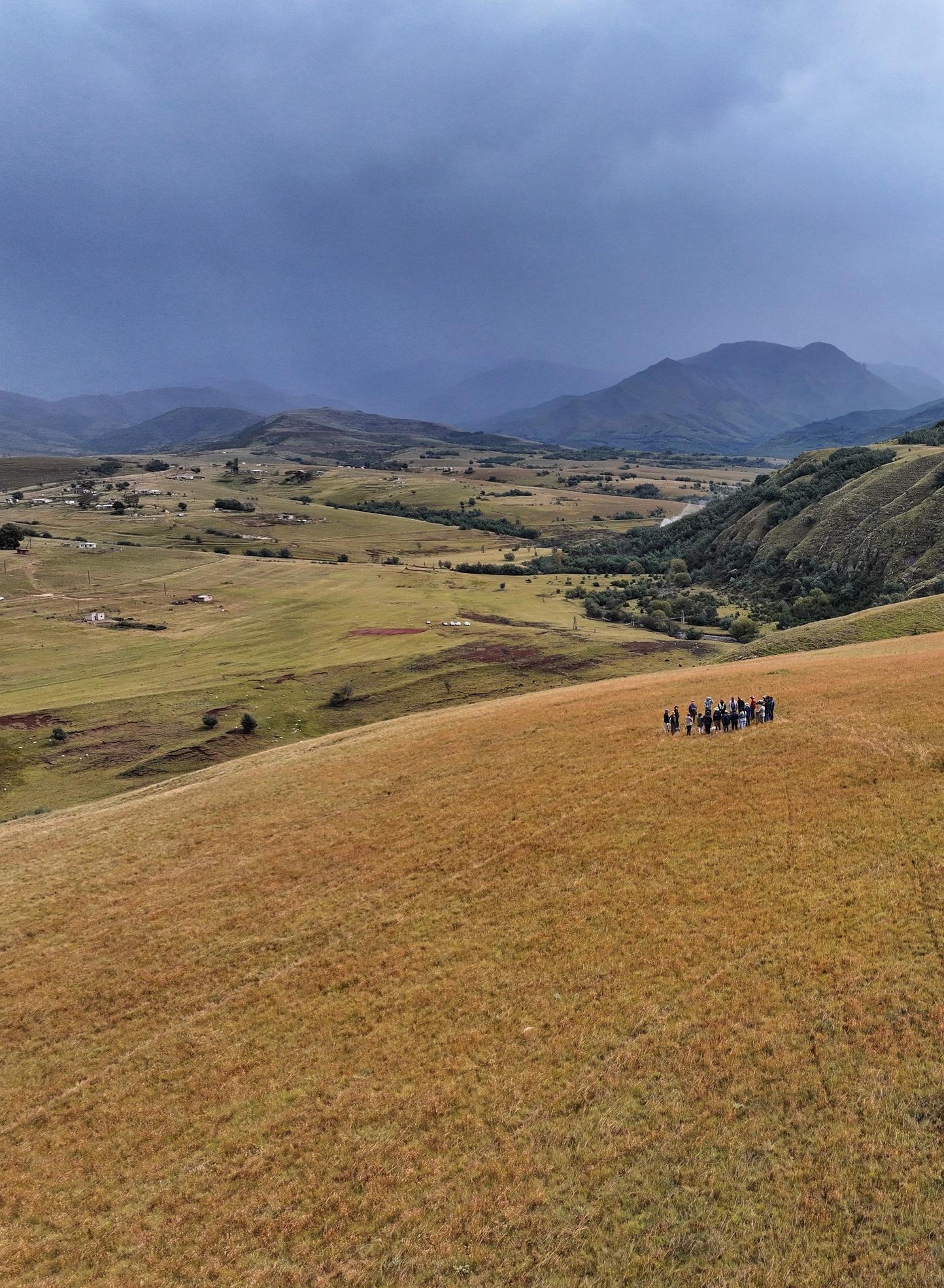
What we do
Through partnerships across the food, agriculture and fisheries sectors, we work to shift global economies toward systems that sustain ecosystems and strengthen livelihoods. We do this by driving incentives and investments to support conservation, restoration and regenerative production. We focus our work across three major program areas: regenerative commodities, bioeconomy and restoration supported by cross-cutting innovation initiatives that unlock finance, scale community enterprises and enable regenerative production systems.
We collaborate with local communities, global companies, financial institutions and public-sector partners to design and implement high-impact actions to transform how markets influence landscapes and seascapes. Through these partnerships we advance regenerative production models, conserve natural areas, restore degraded ecosystems, and grow bioeconomy-based enterprises.
Program areas
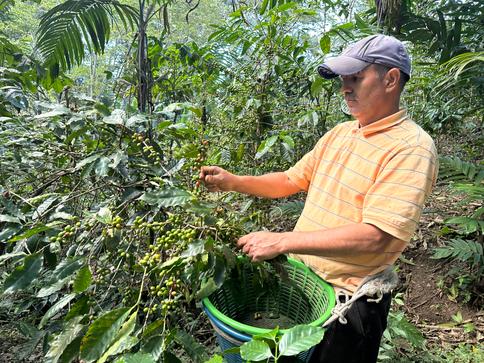
Regenerative commodities
We partner with global and local companies to align incentives and drive investments that promote practices that protect and restore ecosystems, support communities and strengthen supply chain resilience. This includes landscape and jurisdictional initiatives that build long-term conservation and community benefits. We focus on coffee, cacao, palm oil, soy, cotton, wool, leather and seafood (shrimp, tuna).
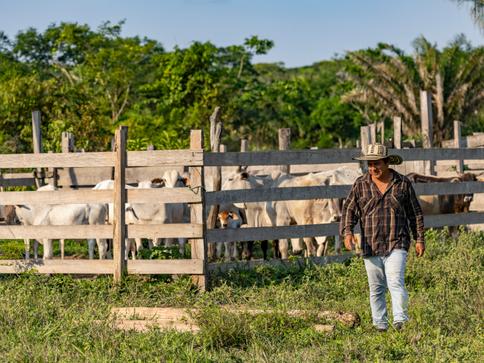
Bioeconomy
We support Indigenous and community-led enterprises aligned with conservation and restoration, such as agroforestry, wild-harvest systems and the establishment of restoration economies. These enterprises reinforce local stewardship while opening market opportunities aligned with cultural values and ecological health.
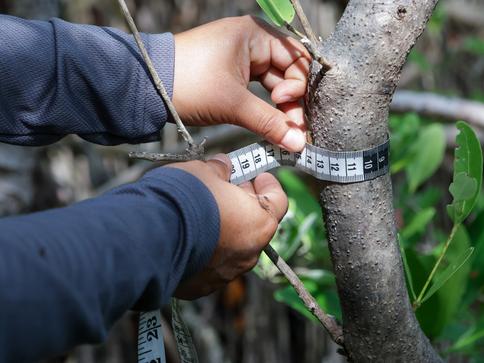
Restoration
We advance large-scale restoration of forests, grasslands and coastal systems through strong partnerships, high-quality implementation and innovative financing. This work promotes biodiversity recovery, climate mitigation and job creation in some of the world’s most important ecosystems.
Our global reach
- 68 PROJECTS in over 42 countries
- 1,000+ PARTNERSHIPS globally with companies and sector platforms