It’s the origin and the engine of life on our blue planet.
The ocean feeds us, regulates our climate and sustains economies. Yet unprecedented heat waves, unsustainable coastal development, overfishing and pollution are devastating the health of marine ecosystems — and jeopardizing the communities that rely on them.
Fortunately, 2024 has been an eventful year in marine conservation. In honor of World Oceans Day, take a dive into some of the studies and successes that are helping to chart a new course for the health of our oceans.
With protections, a critical fishery gets new lease on life
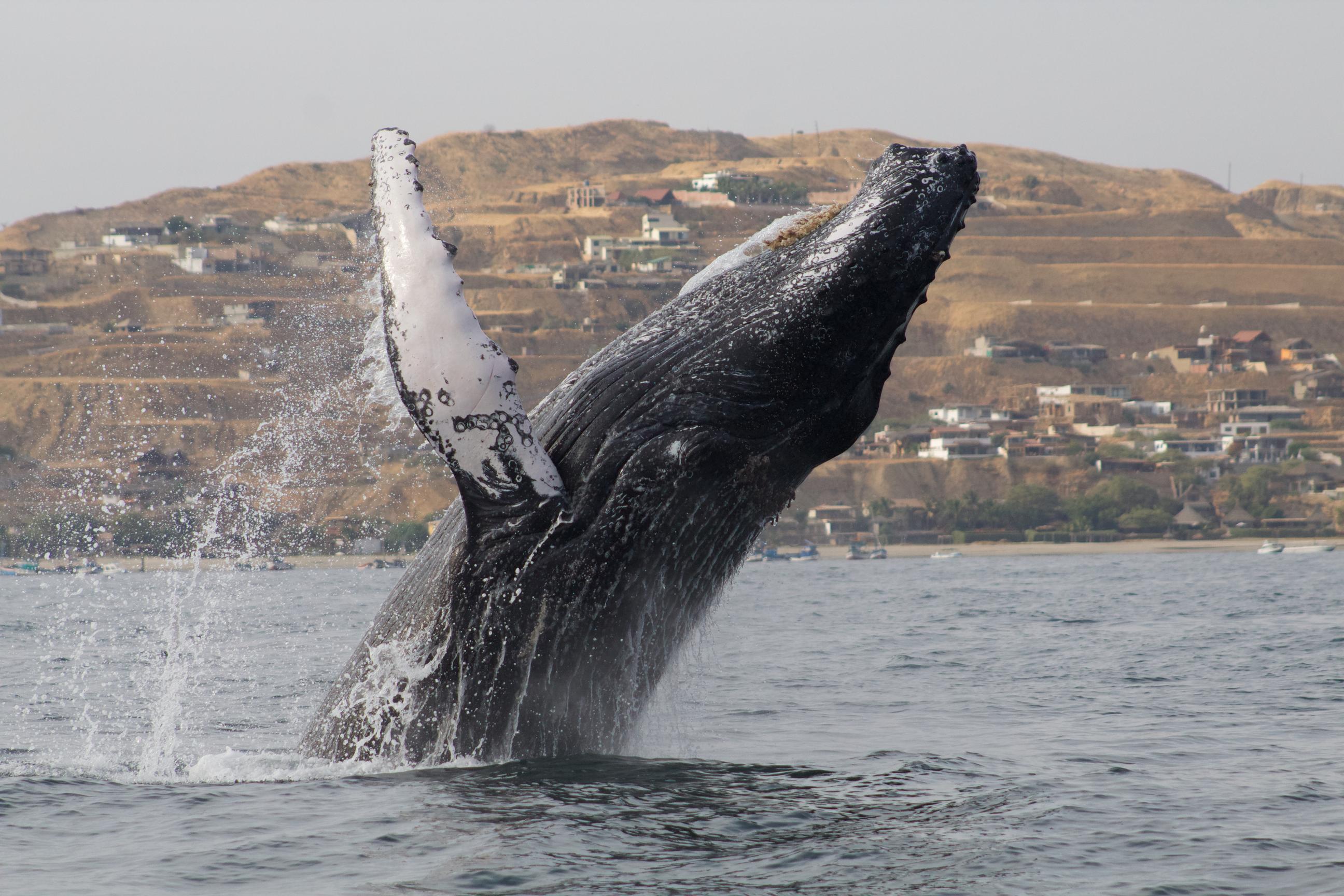
As marine protected areas go, Peru’s newly designated Mar Tropical de Grau National Reserve is small but mighty, spanning an area just larger than New York City. But like the Big Apple, it’s densely populated — home to roughly 70 percent of Peru’s marine wildlife. The reserve culminates a decade-long collaboration between local communities, government agencies and environmental organizations to protect the fishery. Conservation International’s ocean expert in Peru shares what it took to make it happen.
Read more here
© SARAI CORTEZ CASAMAYOR
Humpback whales travel to the Mar Tropical de Grau each year to give birth.
Study: Mining could disrupt manta 'superhighway'
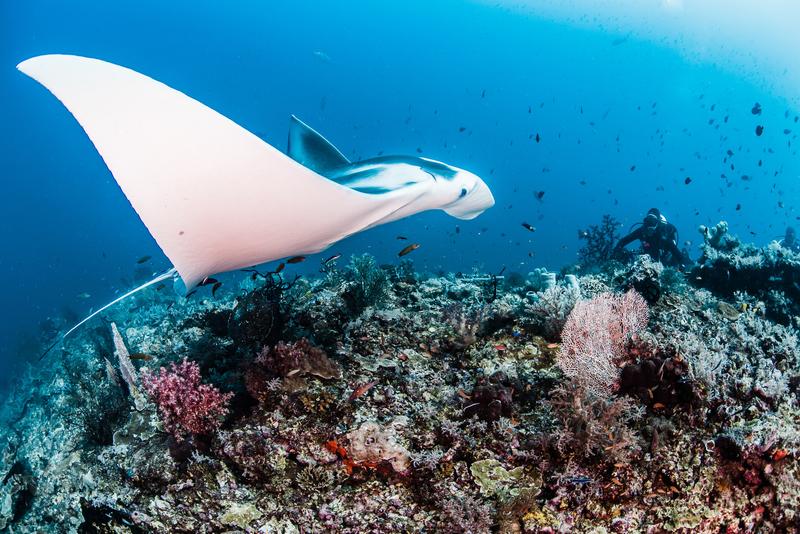
If you’re a reef manta, there are few better places to be than northeastern Indonesia. The gentle giants are thriving in the protected waters of the Raja Ampat archipelago. But new research from Conservation International and its local partner, Konservasi Indonesia, is raising concerns about a potential threat: nickel mining. Experts worry that rising prices for the precious metal, spurred by growing demand for electric vehicles, could imperil a critical habitat for reef mantas.
Read more here
© SHAWN HEINRICHS
Mining could smother coral reefs, critical habitat for reef mantas and other marine life in Raja Ampat.
Oceans feed humanity. They also need a break.
Overfishing is ravaging marine life the world over. At the same time, oceans fuel global economies and food security. The tension between environmental protection and fishery production is not new — but it has to change, according to a new paper from Conservation International’s expert on marine economies. It argues that, if unaddressed, critical scientific gaps between the two sides could jeopardize the ocean’s ability to support humanity.
Read more here
New study a ‘wake-up call’ for marine protected areas
Marine protected areas help fish populations rebound. But a new study from Conservation International and the Smithsonian Institution shows that, in some cases, protected areas are failing to help one particular type of fish: adults. As a result, some fisheries aren’t bouncing back as expected. Researchers say diving into what makes marine protected areas effective — and what doesn’t — is urgent, as many countries are protecting larger swaths of their seas.
Read more here
Deep-sea expedition may have discovered over 100 new species
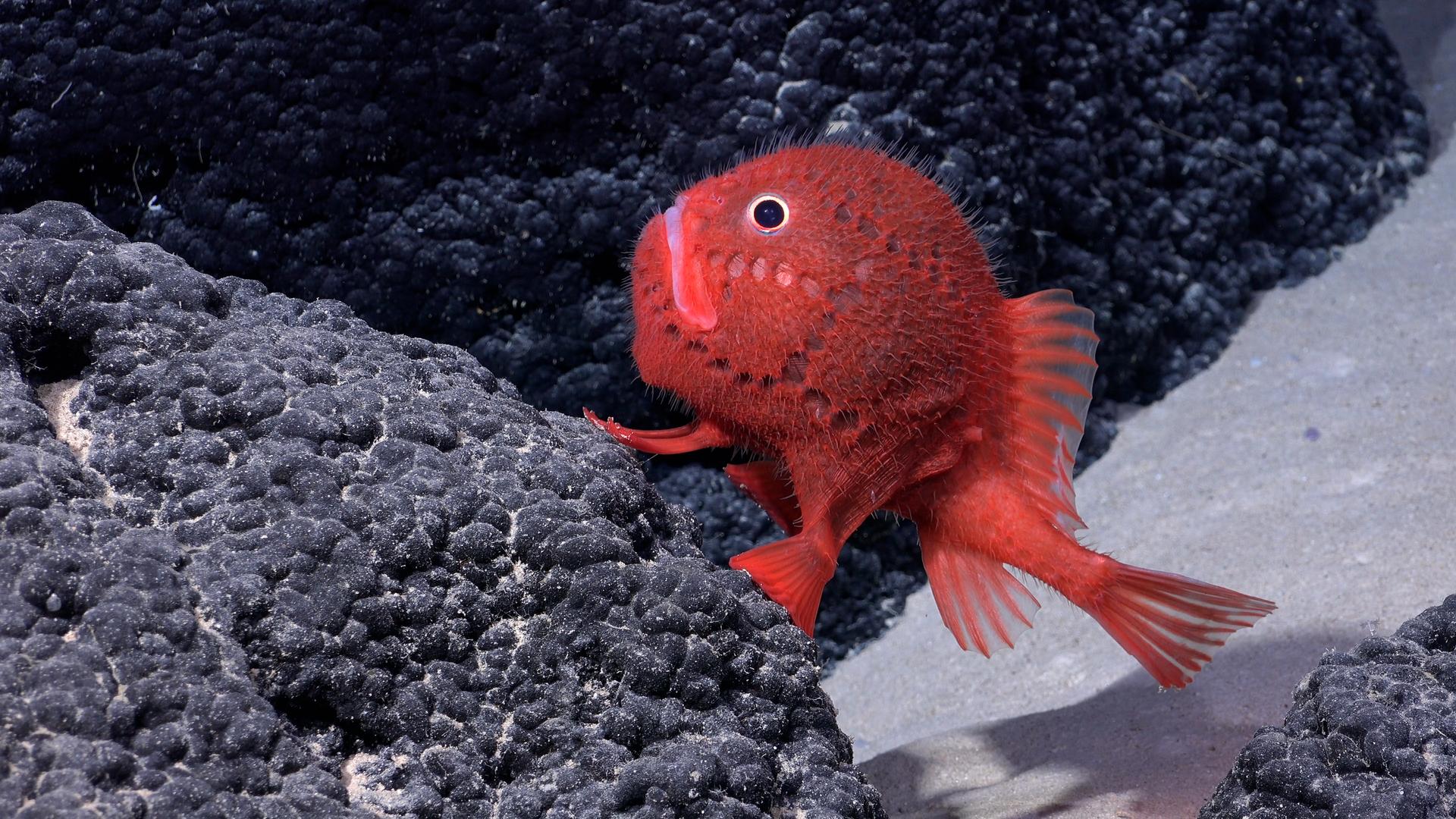
Off the coasts of Chile and Peru, scientists on a month-long expedition were “blown away” by a trove of species that are likely new to science: thousand-year-old corals and a bright red fish that uses its fins to move across the sea floor, to name just a few. The deep-sea discoveries make the strongest case yet for protecting the “high seas.”
Read more here
© SCHMIDT OCEAN INSTITUTE
One of the new species spotted is this fish that uses its fins like hands to "walk" on the sea floor.
BONUS:
Meet the startup using magnets to keep sharks at bay
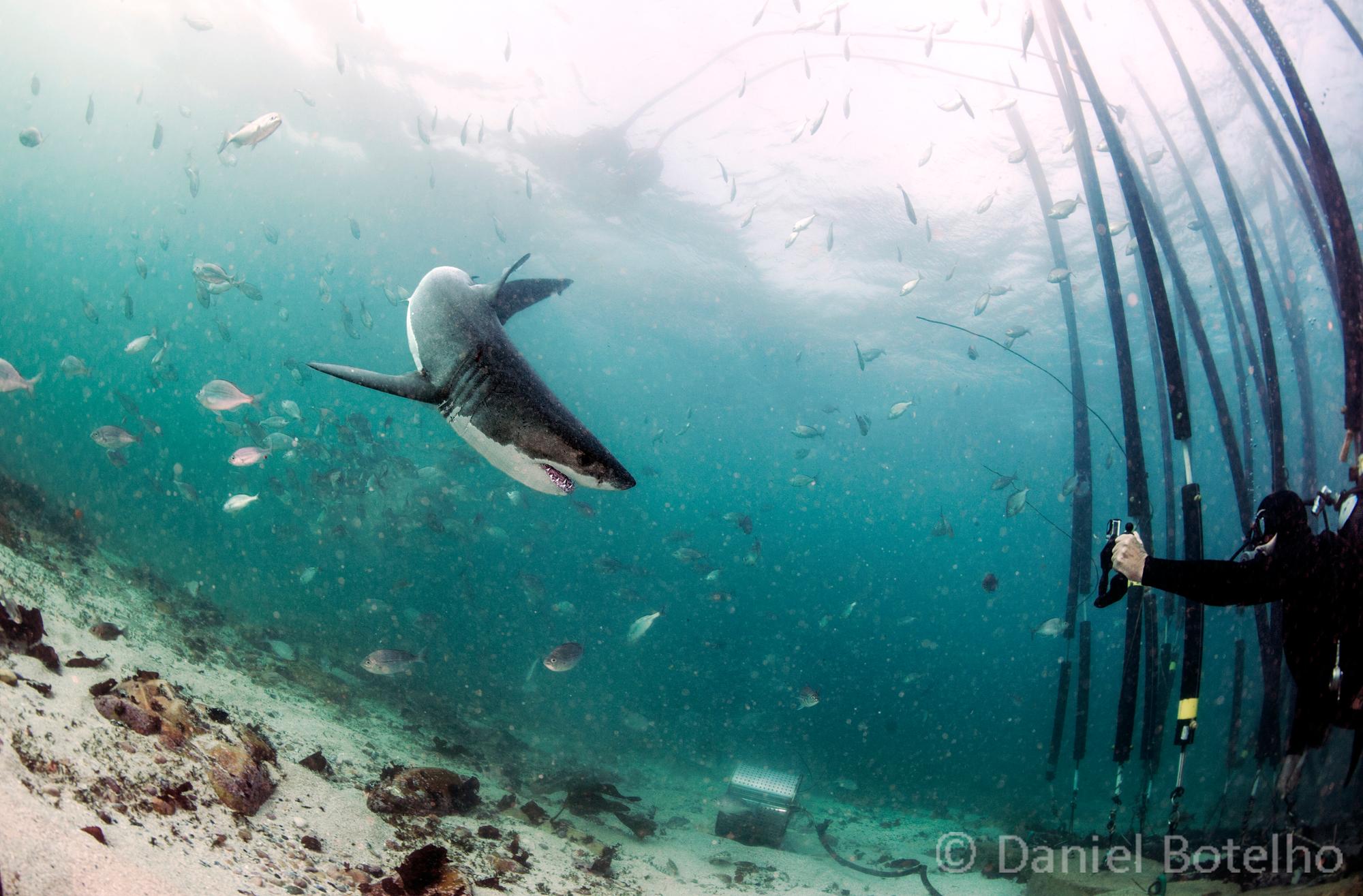
Shark attacks are rare, but climate change and tourism are putting people and sharks in closer contact than ever. Now a South African startup supported by Conservation International is pioneering a better way to keep surfers and swimmers safe — without harming sharks. Here’s how they have built a more effective and environmentally-sound shark barrier.
Read more here
© DANIEL BOTELHO
SharkSafe Barriers mimics a kelp forest and uses powerful magnets to deter sharks.
Vanessa Bauza is the senior communications director at Conservation International. Want to read more stories like this? Sign up for email updates here. Donate to Conservation International here.