Editor’s note: Conservation International is powered by 1,500 people in more than 30 countries — their interests, like their hometowns, are all over the map. This month, our experts share some of the places that inspired them this summer.
Discovering unexpected wilderness
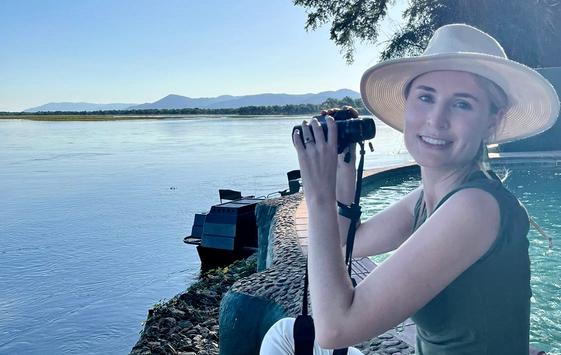
Frances Read on Skomer Island. Photo courtesy of Read
Three years ago, I moved from South Africa to the United Kingdom — considered one of the world’s most nature-depleted countries. Yet, living in London, my cup feels no less full. Finding nature close to home has taken me on an unexpected journey of discovery with little more than a pair of binoculars and a train ticket. Yes, there is wild on this isle if you take the time to look.
Recently, as I stood on the 54th floor of a sheer-glass skyscraper with impressive 360-degree views, I found myself admiring a pair of peregrine falcons — the world’s fastest bird — twisting and diving above London’s familiar ancient landmarks. I was spell-bound.
A week later, as I sat on the grassy banks of a stream in the Yorkshire Dales, a sapphire streak whizzed past me before disappearing into the woods downstream. It was my first common kingfisher sighting in the UK — entirely uncommon and just as rewarding as the first kingfisher I ever saw in South Africa.
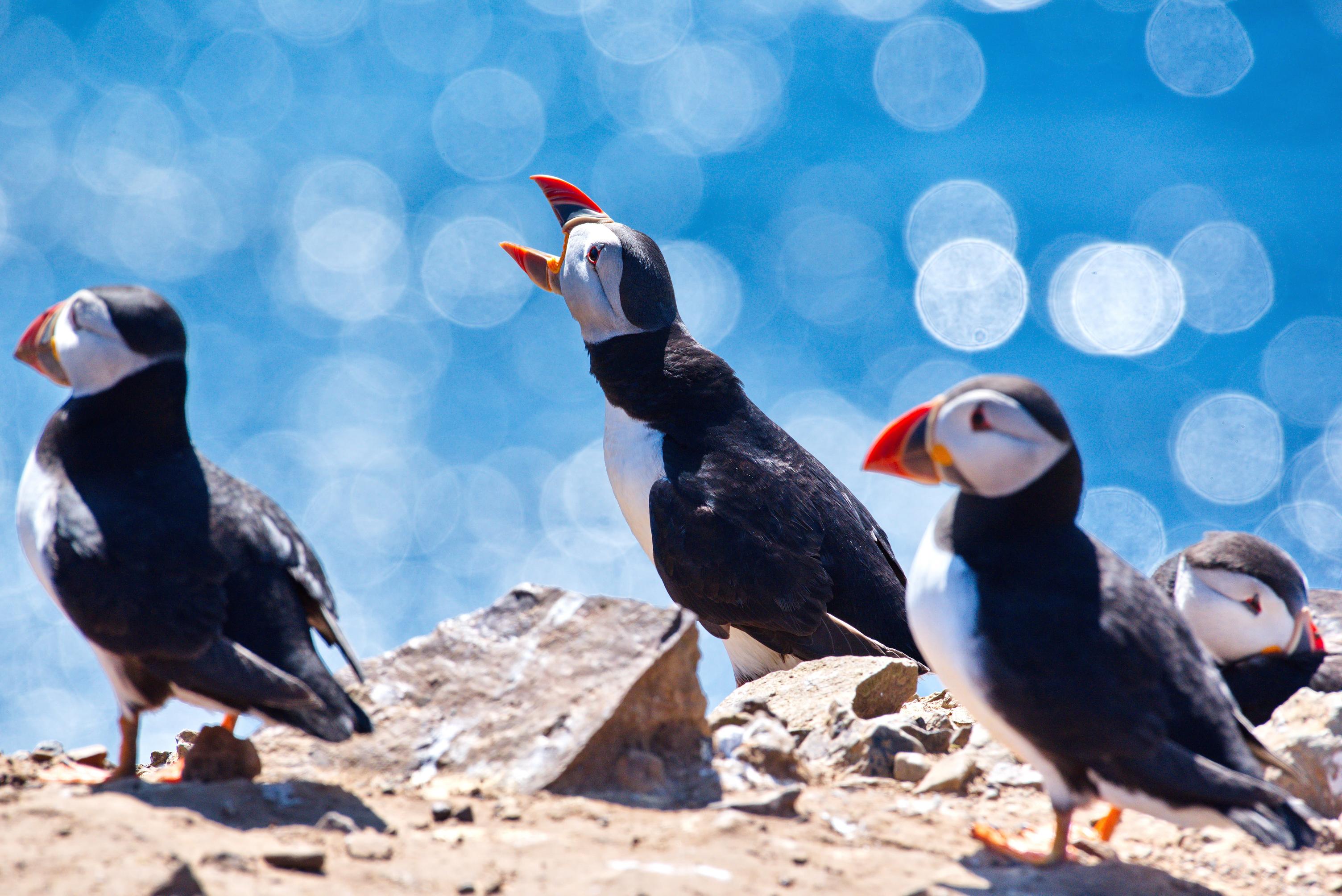
And in July I travelled further afield to Skomer Island off the coast of Wales. I might have travelled back in time. Vast colonies of seabirds populated dark cliffs: Fulmars nesting on grassy ledges, gannets, shearwaters, storm-petrels, shags, gulls — and hundreds of puffins. I’d arrived just in time. In August, puffins leave their coastal breeding grounds to spend up to eight months at sea. In fact, most had already left. I’ve made a mental note to return to Skomer next year in early spring when the island is blanketed with bluebells and thousands of puffins return.
Writing this in my flat on the Thames, I’m kept company by a blue tit perched on our suspended birdfeeder. Nature is among us everywhere and it is worth treasuring. It is our connection to place, to home and to our humanity.
Frances ReadCommunications & Media, CI-EuropeLondon
On the coast, a conservationist’s retreat
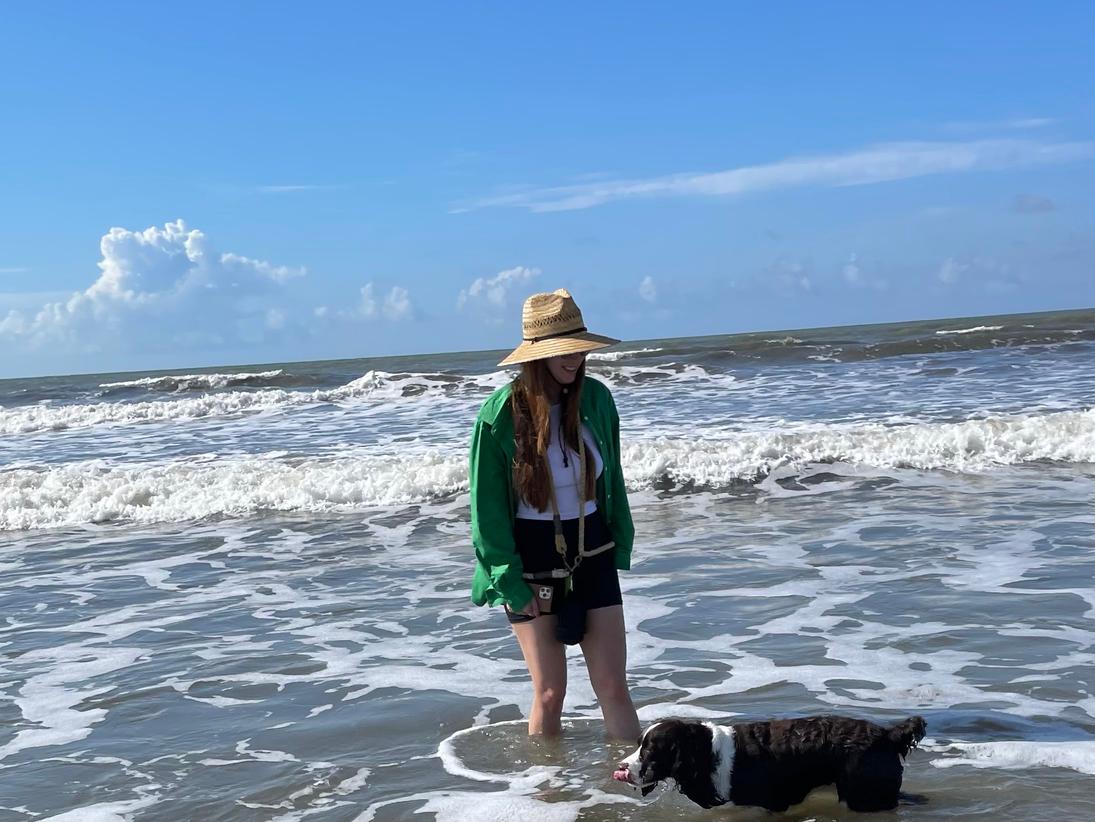
Bailey Bushkoff on Kiawah Island. Photo courtesy of Bushkoff
Every summer, I get to spend a week on Kiawah Island on South Carolina’s coast. As you approach, great oaks dripping with Spanish moss create a tunnel that feels truly magical. And that sense of wonder only grows as you arrive on Kiawah — a haven for nature, with a decades long tradition of conservation that has preserved nearly a quarter of the island and protected many native species, from loggerhead turtles to the piping plover, a threatened shorebird.
Wildlife is everywhere you look: an osprey perched majestically in the marsh, newly-hatched alligators scattered alongside their nearly 7-foot-long mother or Atlantic bottlenose dolphins practicing a synchronized hunting technique known as “strand feeding.” This learned behavior — which entails trapping groups of fish and forcing them onshore — is specific to dolphins in only a few places around the world, including South Carolina’s salt marshes and coastal waterways. I’ve even been lucky enough to spot one of the island’s elusive bobcats scampering through the brush at dusk.
And, of course, no trip to Kiawah is complete without a day at the beach. During high tide the ocean reaches as far as the dunes. When it recedes, it leaves nearly two football fields of sandy beach which, when packed down from the water, is perfect for riding your bike.
When I began my career in conservation, I gained a new appreciation for Kiawah. Being there reminds me of what I’m working towards — a future where people and nature thrive together.
Bailey BushkoffSenior Marketing ManagerWashington, DC
Mary Kate McCoy is a staff writer at Conservation International. Want to read more stories like this? Sign up for email updates. Also, please consider supporting our critical work.