Sustainable Living Tips

For those who care about nature, living your values shows up in daily choices — what you eat, how you travel, where you invest, what you support. It requires attention and, at times, genuine effort.

You are not doing it alone.

Across the world, millions of people are making similar choices and building habits — small and significant — that together help build the momentum needed for lasting change. Here are some tips to guide you along the way:

Fight Climate Change

Banish bottled water

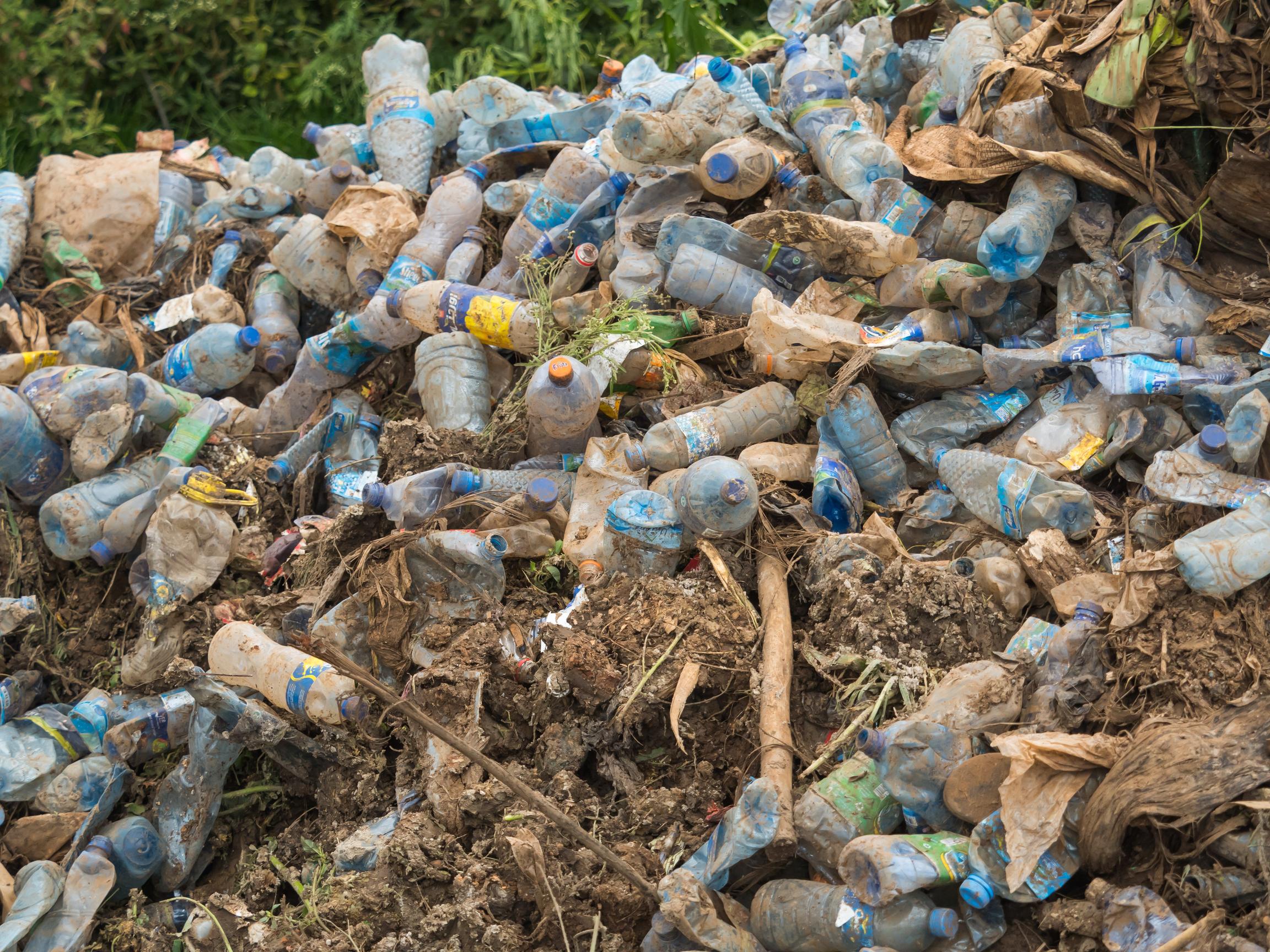
Producing just one plastic bottle of water — including transporting and refrigerating it — requires 2,000 times as much energy as producing the same amount of tap water. It also creates massive amounts of plastic waste. Save money and keep plastic out of landfills and oceans by carrying a reusable bottle instead.

Reclaim the road

The private car is one of the most carbon-intensive habits in modern life — and one of the most normalized. Whenever you can replace a car trip with a walk, a bike ride or public transit, do it. And if you drive, make your next car electric.

Borrowing beats buying

For items you’ll use once or infrequently — luggage for a business trip, say, or a sleeping bag for a camping trip — borrow from a friend instead of buying one brand new. The less you buy new, the less waste you’ll create and the more you’ll reduce your carbon footprint.

Protect the parks

Wild places are not passive backdrops. Foot traffic erodes trails, crowds stress wildlife and common products — sunscreen, bug spray — can be toxic to aquatic ecosystems. Visit with intention: choose off-peak times, stay on marked paths and research what you bring before you go.

Calculate your carbon footprint

Confused about where to start if you want to help the planet? Start by taking inventory of your current level of carbon emissions, known as your carbon footprint.

Calculate

Compost food scraps

Trashed food ends up in a landfill, where it rots and emits methane — a powerful greenhouse gas that contributes more to global warming than CO2. Toss your leftovers in a compost bin instead. They’ll emit no methane, and you’ll reduce the energy needed to haul your garbage to the dump. And if you’re a gardener, adding compost to your soil will enrich it while increasing moisture retention, reducing the amount of watering you’ll need to do.

Dial down your heat or A/C when you’re away

Adjusting your thermostat 7 to 10 degrees (higher during the summer, lower during the winter) for eight hours each day will yield up to a 10 percent savings on your annual energy bill and help shrink your carbon footprint. Go a step further by adding insulated window curtains to block drafts in the winter and sunlight in the summer.

Dine in instead of eating out

Most of the energy used by the average restaurant goes toward things like sanitation, refrigeration and lighting, while only 35 percent goes toward preparing your meal. Cut some fat from your carbon footprint — and save a bit of money — by eating at home instead.

Downsize your travel wardrobe

The heavier passengers’ bags are, the more energy the plane needs to lift all that luggage. Here’s one easy way to reduce the carbon footprint of your flight: Pack a lighter checked bag or just a carry on. While on your trip, take note of what you didn’t use and jot down a few ideas for how you could save suitcase space on your next trip.

Get a solar charger for your phone

Over the course of a year, a traditional wall charger uses about 7 KWh of energy to charge your phone (assuming you plug it in every day), and a plugged-in charger uses energy even when it’s not charging anything. With more than four billion smartphones in the world, that’s billions of watts of electricity that could be saved if everyone switched to solar chargers, which simply need to be placed near a sunny spot in your home.

Keep your phone longer

The environmental cost of a smartphone is almost entirely in its manufacture: mining rare earth elements, building components, shipping the finished device. That's 80 to 95 percent of its lifetime emissions, before you ever turn it on. Resist the automatic upgrade.

Grow something

Growing even a small amount of your own food — herbs on a windowsill, tomatoes in a pot, vegetables in a backyard bed — builds something harder to quantify than emissions savings: a direct relationship with soil, water and the systems that feed us. That understanding is where conservation begins.

Know your farmer

The distance your food travels is one measure of its environmental cost — but it's not the only one. Buying locally, directly from farmers, also means knowing how your food was raised: whether the soil was tended or depleted, whether animals were treated humanely, whether your money supports a working landscape or an industrial operation. Community Supported Agriculture programs (CSAs) make this easy — a seasonal subscription that connects you directly to a farm, its practices, and the people behind it.

Offset your flight

Airline jets emit more CO2 per kilometer than cars or trains, and the aviation industry accounts for 2 percent of global emissions. The next time you fly, neutralize or offset these emissions by retiring carbon credits that are used to protect natural areas that store CO2 and keep it out of our atmosphere. Start by visiting our flight carbon calculator.

Opt for refurbished electronics

If you’re in the market for a new phone or computer, consider picking up a refurbished unit. You’ll keep at least one device from languishing in a landfill while reducing the environmental impact posed by manufacturing and shipping a new unit from overseas. If your device is damaged beyond repair, a little research should point you to the right place to properly recycle it.

Pull the plug on your devices

Thanks to standby mode, electronic devices consume power even when they are turned off. Almost 10 percent of your energy bill goes toward this “phantom power” consumption. Save money — and reduce your carbon footprint — by unplugging your devices at the end of the day or when they’re not in use.

Dispose with care

Batteries, electronics and medications don't belong in the trash. When they end up in landfills, the chemicals they contain leach into soil and water with serious consequences for ecosystems and human health. Most local governments run collection programs for hazardous household waste — check yours. For hard-to-recycle items, platforms like TerraCycle offer mail-in options.

Retire your dryer

Consider using a drying rack whenever possible instead of throwing your clothes in the dryer. You’ll save money, save energy and prolong the life of your clothes.

Go solar

Drawing power from the sun is completely emission-free — unlike more traditional sources like coal and gas. In fact, you can cut up to 1.6 tons of carbon emissions annually just by installing a solar panel system in your home. Plus, you can save money on your energy bill (and you might be eligible for tax credits).

Showering beats soaking

A five-minute shower uses 10 to 25 gallons of water, whereas a bath can use up to 70 gallons of water. Even a 10-minute shower uses less water than a typical bath. Each time you opt for a shower over a bath, you'll save water and the energy required to heat those extra gallons of tub water. Install a waterproof timer on your shower wall to challenge yourself to take shorter showers.

Sip smarter

Billions of disposable coffee cups are trashed each year, and, thanks to their polyethylene linings, most are unrecyclable. The next time you head to the coffee shop, bring a reusable cup. Do you order via an app? We hear you, saving time is great — but consider the cost to the planet.

Don’t buy wildlife

Souvenirs made from ivory, tortoiseshell, reptile skin, coral or exotic fur may look like local crafts, but they come from animals that were killed or harvested to make them — and in most cases, illegally. Wildlife trafficking is one of the most destructive forces driving species toward extinction, worth tens of billions of dollars a year. Every purchase, however small, keeps that market alive.

Switch to better bulbs

Ninety percent of the electricity used by incandescent light bulbs is given off as heat, which is wasted energy and money. Here’s a bright(er) idea: Switch to LEDs, CFLs or halogen bulbs instead. They use as little as 20 percent of the electricity — reducing your energy bill and your carbon footprint.

Stay in sustainable lodging

Where you stay on vacation has an environmental footprint too. When booking accommodation, look for hotels with LEED certification — a rigorous standard that measures energy efficiency, water use and waste reduction.

Steer clear of steer

Go meat-free — especially avoiding beef — at least one day each week. Beef is not great for the planet: Production of one quarter-pound burger requires 460 gallons of water and emits 0.126 pounds of methane — a greenhouse gas roughly 25 times more potent than carbon dioxide. Globally, about 15 percent of all human-caused greenhouse gas emissions are due to livestock, nearly two thirds of which come from cattle.

Wash your clothes in cold water

About 90 percent of the energy used by your washing machine simply goes toward heating the water. Save that energy — and around $40 each year — by washing full loads in cold water instead.

Why fly?

At 285 grams of CO2 emitted per kilometer per passenger, air travel is more energy intensive than traveling by road (158 grams) or rail (14 grams). If you can, drive or take the train instead. And if you have to fly, fly direct. No layovers.

Upgrade to rechargeable batteries

Are you still using old-fashioned, single-use, alkaline batteries in devices like your TV’s remote control? Try rechargeable batteries instead. You’ll save money over time and help cut down on the billions of dollars worth of batteries sold each year in the United States, most of which never see a recycling facility. And for dead batteries collecting dust in your drawer: Drop them off at a local recycling that accepts them (be sure to check regulations and restrictions first). Just don’t toss them in the trash!

Eliminate Plastics

Avoid single-use items

Especially things wrapped in (or made of) plastic: coffee pods, to-go utensils, disposable razors, etc. The items and their packaging end up in landfills and in the ocean, threatening marine life. Reduce the amount of trash you produce by buying items in bulk (bring your own containers!) or find reusable alternatives, which can be more cost-effective in the long term.

Bag your polyesters

When washing clothes made from synthetic fabrics, e.g., polyester or nylon, use a washing bag — like a Guppyfriend bag — to catch microplastic fibers that would typically go down the drain and end up in our waterways. According to one 2016 study, as many as 700,000 fibers could be released per wash.

Banish bottled water

Producing just one plastic bottle of water — including transporting and refrigerating it — requires 2,000 times as much energy as producing the same amount of tap water. It also creates massive amounts of plastic waste. Save money and keep plastic out of landfills and oceans by carrying a reusable bottle instead.

Bring your own bag

The next time you head to the grocery store, bring your own reusable shopping bag. Try to keep one in your car trunk or the bottom of your backpack? Forgot? Yep, that happens to the best of us. Many grocery stores allow you to bring plastic bags back so they can be reused.

Cosmetics so safe, they’ll make you blush

Switch to make-up that's vegan, animal-cruelty-free and — most importantly — features recyclable or refillable packaging. The cosmetics industry produces billions of packages each year, and .

Make your own cleanser

You can create a variety of powerful, homemade cleansers using basic pantry staples, such as baking soda, vinegar or even toothpaste. Make your own glass cleaner, grease buster, detergent booster and more. New direct-to-consumer companies will send you glass containers and refills in the mail; to cut down on shipping weight, some companies even send tablets you dissolve in water. No matter the route, you'll reduce your plastic consumption and help keep nasty chemicals out of the environment.

Dismiss disposable cups

Instead, use permanent mugs and glasses when making coffee, tea or visiting the office water cooler. You’ll reduce the amount of waste your office generates and set an easy-to-follow example for your co-workers.

Ditch plastic trash bags

Opt for paper bags or simply go bagless — wash out your trash and recycling bins instead. Those plastic garbage bags can take up to 100 years to decompose, damaging ecosystems and harming wildlife in the process.

Pack your own snacks

Save on paper and plastic when you fly by declining in-flight snacks. Instead, make it a habit to fly with your own munchies and a reusable cloth napkin.

Quit microbeads

Stop using body scrubs, face washes and toothpastes laced with microbeads. These tiny, plastic balls are so small they sail straight through filtration systems and end up in our oceans and fresh waterways — 8 trillion every day, according to scientists.

Relaunch your lunch

The next time you pack your school lunch, opt for a reusable bag rather than paper. And instead of a plastic sandwich bag, try wax paper or a reusable sandwich bag. You'll save some trees and reduce your plastic waste.

Sip smarter

Billions of disposable coffee cups are trashed each year, and, thanks to their polyethylene linings, most are unrecyclable. The next time you head to the coffee shop, bring a reusable cup. Do you order via an app? We hear you, saving time is great — but consider the cost to the planet.

Skip the Styrofoam

Take a cue from the Big Apple and cut Styrofoam out of your life. Styrofoam, or foamed polystyrene, is rarely recyclable and does not biodegrade. When ordering takeout, take note of which restaurants use Styrofoam. Encourage them to find biodegradable solutions or choose another restaurant and tell them this was an important part of your decision.

Slow down your fast fashion

Avoid synthetic and plastic-based fabrics like polyester, nylon and spandex as they take decades to decompose. Opt instead for natural materials like wool, linen, silk and cotton.

Craft conscientiously

Avoid synthetic crafting and decorative materials like glitter, Styrofoam and thermocol. These polystyrene derivatives do not decompose and represent a genuine pollution threat. Instead, choose eco-friendly materials like recycled construction paper, acid-free glue sticks and refillable dry-erase markers.

Recycle smarter

Recycling works — but not everything labeled “recyclable” actually gets recycled. In the U.S., metals (like aluminum cans) and cardboard are widely and reliably recycled. Clean paper and rigid plastic bottles are often accepted as well. But thin plastics, multi-layer packaging, plastic bags and many takeout containers frequently end up in landfills, even if they carry a recycling symbol. When in doubt, check your local guidelines. Recycling rules vary by city because they depend on local processing facilities and markets.

This is the last straw

The next time you order a drink, ask for no straw. Each year, some 8 million metric tons of plastic waste finds its way into the world's oceans, and plastic straws are one of the leading offenders.

Travel plastic-free

When traveling, bring your own reusable water bottle and shopping bag, and stay away from travel sizes of your favorite products and complimentary shampoo bottles found in hotels. Instead, decant your own toiletries into reusable travel-sized containers or, better yet, bring shampoo and soap bars.

Turn your bathroom into an eco-room

Try to make your bathroom a plastic-free zone. Buy bar soap and shampoo; get a bamboo toothbrush (some have replaceable heads); and switch to toothpaste tablets instead of tough-to-recycle tubes. Remember: It may only stay in your home for a few weeks, but it will linger in landfills or oceans for generations.

Tweak your tea

Did you know that many teabags are made with plastic? Reduce your plastic consumption by switching to a brand that doesn't use synthetic materials. Or turn over a new leaf and start drinking loose-leaf tea instead. Buying in bulk could even help you save money.

Wash your hands of wet wipes

These convenient cleaning aids conceal a dirty secret: Most are made with plastics, which don't biodegrade but break down into microplastics that infiltrate our food chain.

Wipe out plastic wrappers

Look for toilet paper and other paper items wrapped in paper packaging, not plastic. It's a simple way to cut down on the millions of tons of plastic waste that ends up in U.S. landfills each year.

Step up to the bar

Instead of liquid soap in a plastic bottle, try a cleaner alternative: package-free bar soap. You'll help cut back on the billions of pounds of plastic waste generated each year — including often unrecyclable pump dispensers. There are a few “direct to consumer” brands that sell glass bottles and biodegradable vials of concentrated soap — just add water!

Conserve Water

Prompt with purpose

Every digital tool runs on physical infrastructure — including the data centers that power AI. Many of those facilities rely on freshwater for cooling. As AI use grows, so does the demand. The water cost of a single query varies widely by location and season — and isn’t always transparent. Use AI when it meaningfully saves time, replaces energy-intensive work or enables something you couldn’t do otherwise. For quick lookups and simple tasks, lower-impact tools often suffice.

Compost your food scraps

Trashed food ends up in a landfill, where it rots and emits methane — a powerful greenhouse gas that contributes more to global warming than CO2. Toss your leftovers in a compost bin instead. They’ll emit no methane, and you’ll reduce the energy needed to haul your garbage to the dump. And if you’re a gardener, adding compost to your soil will enrich it while increasing moisture retention, reducing the amount of watering you’ll need to do.

Plant for the locals

The average American lawn is an ecological desert — a tidy monoculture of non-native grass that supports almost no wildlife and demands staggering resources: 3 trillion gallons of water, 200 million gallons of gas and 70 million pounds of pesticides each year. Try gardening with native plants instead. Replacing even a portion of turf with native wildflowers has a measurable effect: more pollinators, more insects and more birds. Even a small patch is enough to start rebuilding habitat.

Ditch the sprinkler

Outdoor watering is where most residential water is used — and much of it goes to turf grass. Lawns often require more water in a week than native landscapes need in a season. The best options is to replace thirsty turf with groundcovers which require little to no supplemental watering. But if you must irrigate, do it early in the morning. Watering at midday can lose a significant share to evaporation before it ever reaches plant roots.

Banish bottled water

Producing just one plastic bottle of water — including transporting and refrigerating it — requires 2,000 times as much energy as producing the same amount of tap water. It also creates massive amounts of plastic waste. Save money and keep plastic out of landfills and oceans by carrying a reusable bottle instead.

Reduce your rubbish

Not all trash belongs in the trash can. Check with your local government (city or county) or use a website like RecycleNation to find out where you can properly dispose of environment-wrecking refuse like batteries, electronics and medicine. Or hook up with a recycling platform like Terracycle. Either way, you’ll help keep harmful chemicals out of landfills and our water supply.

Say ‘no’ to over-laundering

The next time you stay at a hotel, ask staff to refrain from washing your towels and sheets after every use. You'll reduce water consumption — hotels account for 15 percent of all commercial water use in the U.S. — and you'll conserve the energy needed to heat the water.

Showering beats soaking

A five-minute shower uses 10 to 25 gallons of water, whereas a bath can use up to 70 gallons of water. Even a 10-minute shower uses less water than a typical bath. Each time you opt for a shower over a bath, you'll save water and the energy required to heat those extra gallons of tub water. Install a waterproof timer on your shower wall to challenge yourself to take shorter showers.

Steer clear of steer

Go meat-free — especially avoiding beef — at least one day each week. Beef is not great for the planet: Production of one quarter-pound burger requires 460 gallons of water and emits 0.126 pounds of methane — a greenhouse gas roughly 25 times more potent than carbon dioxide. Globally, about 15 percent of all human-caused greenhouse gas emissions are due to livestock, nearly two thirds of which come from cattle.

Screen your sunscreen

Shop for sunscreen that’s free of oxybenzone and octinoxate, two reef-killing chemicals that make up part of the 6,000 tons of sunscreen that damage coral reefs each year. Instead look for mineral sunscreen featuring titanium oxide or zinc oxide, and the words “reef safe” on the label.

Wash your clothes in cold water

About 90 percent of the energy used by your washing machine simply goes toward heating the water. Save that energy — and around $40 each year — by washing full loads in cold water instead.

Upgrade your fixtures

Old showerheads use 4–5 gallons per minute. Modern WaterSense-certified models use 2.0 gallons per minute or less — often with better pressure. The same goes for faucets and toilets. Swapping fixtures is one of the fastest ways to permanently reduce household water use without changing behavior.

Save Paper

Digitize your communications

Use an e-signature company like Docusign or scan and email documents, to avoid unnecessary printing. Submitting expenses? See if your program accepts screenshots or an app where you can upload images from your phone.

Use eco-friendly paper

Opt for recycled paper; tree-free, pulp-based paper; or even banana paper. It’s an easy way to promote your company’s green values. Or go digital: Use QR codes when they’re available.

Read the label — carefully

“Sustainable” isn’t a regulated term. But some labels carry real standards behind them. When buying paper or wood products, look for certification from the Forest Stewardship Council (FSC), which signals that forests are managed to protect biodiversity, water and the rights of local communities. No label is perfect. But credible third-party certifications are better than vague claims like “eco-friendly” or “all natural.”

Relaunch your lunch

The next time you pack your school lunch, opt for a reusable bag rather than paper. And instead of a plastic sandwich bag, try wax paper or a reusable sandwich bag. You'll save some trees and reduce your plastic waste.

Keep a hanky handy

Avoid using disposable napkins and tissues — pack a washable napkin or handkerchief instead. You'll reduce your paper consumption (not to mention your single-use waste production) and shrink your carbon footprint as a result.

Print smarter

When printing documents, opt for double-sided instead of single. It's an easy way to halve your paper consumption. At work, ask IT to make that the default option and ask your office manager to stock the printer with recycled, FSC-certified paper.

Rethink your wrapping paper

This holiday season, opt for recyclable wrapping paper — steer clear of glitter, foil and glossy coatings, which can’t be processed. Even better, try alternatives like butcher paper or newspaper — or skip single-use paper entirely by wrapping your gifts in reusable boxes or bags.

Replace paper towels with reusables

Paper towels are designed for seconds of use — then they’re gone. Most can’t be recycled once soiled, and billions of pounds of disposable paper end up in landfills each year. Instead, switch to reusable options: cotton kitchen cloths, linen napkins or Swedish-style dishcloths made from cellulose and cotton. They’re absorbent, washable and built to last for months — sometimes years — before composting. Keep a small stack within reach and toss them in with your regular laundry.

Recycle smarter

Recycling works — but not everything labeled “recyclable” actually gets recycled. In the U.S., metals (like aluminum cans) and cardboard are widely and reliably recycled. Clean paper and rigid plastic bottles (#1 and #2) are often accepted as well. But thin plastics, multi-layer packaging, plastic bags and many takeout containers frequently end up in landfills, even if they carry a recycling symbol. When in doubt, check your local guidelines. Recycling rules vary by city because they depend on local processing facilities and markets.