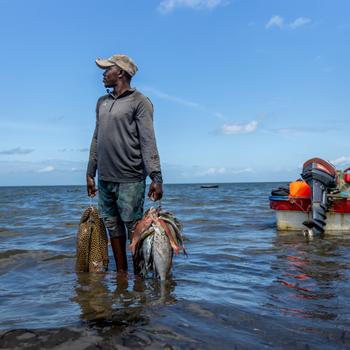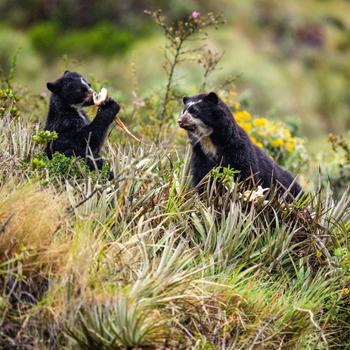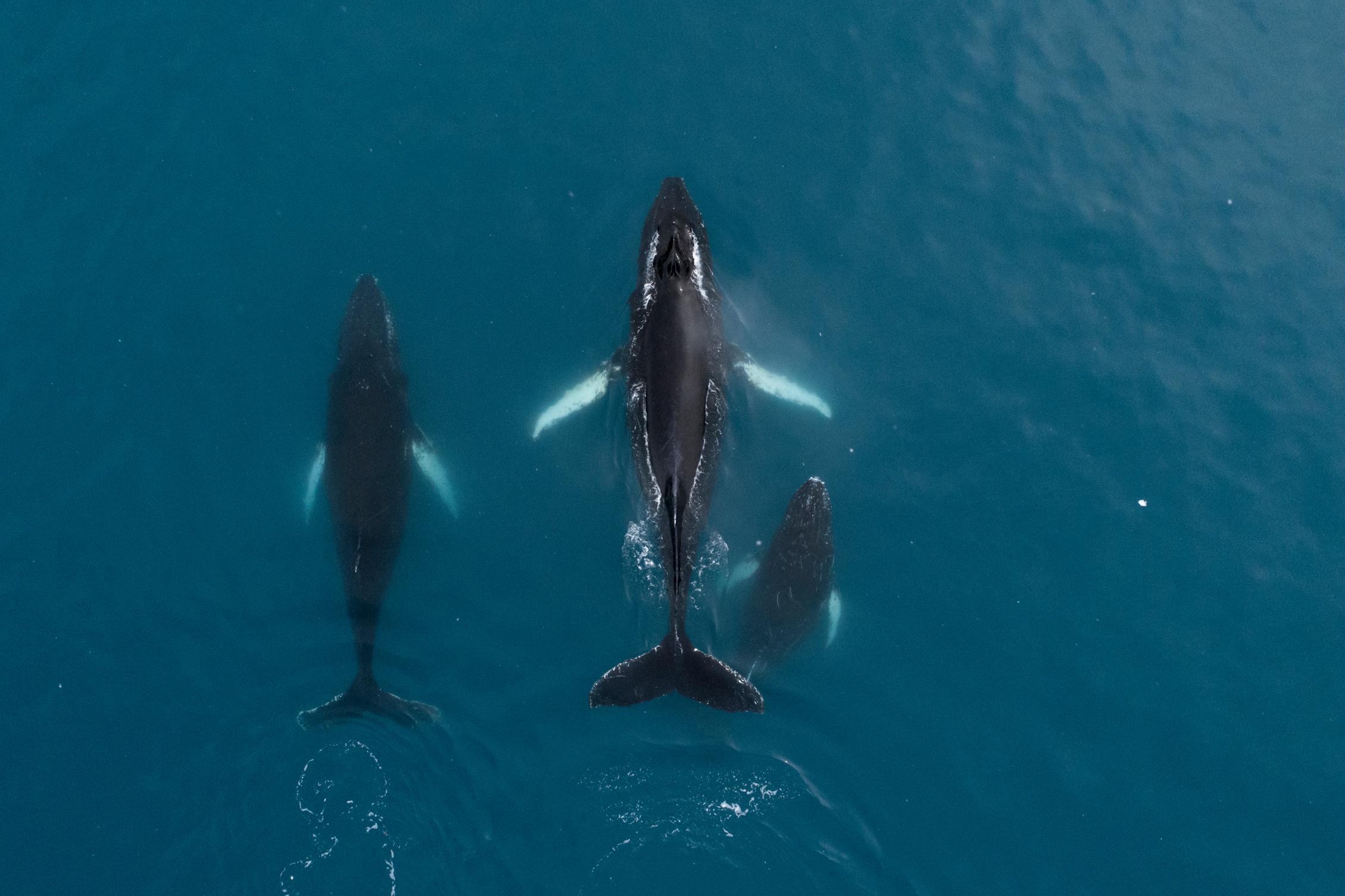
An unprecedented heat wave is gripping the world’s oceans.
Temperatures, exacerbated by El Niño weather patterns, have soared to record-breaking highs every day for the past year.
The headlines are grim — but there is hope on the horizon.
Last year, more than 80 countries approved a landmark treaty to protect large swaths of the world’s oceans. Decades in the making, the “high seas treaty” affects roughly two-thirds of the world’s oceans that lie beyond national boundaries — and are largely unexplored and unprotected.
As countries now work to ratify the treaty, a new commentary published in the journal Nature has a warning for negotiators.
“Put bluntly, the high seas treaty will not succeed if it doesn’t account for climate change,” said Conservation International climate scientist Lee Hannah, the article’s lead author. “Our window of opportunity is closing, but we still have time to get this right if we move swiftly.”
Climate change is already disrupting marine life, triggering fears of mass extinctions and altering species’ migration patterns.
“Protecting biodiversity in the high seas in the face of climate change is an ongoing chess game,” Hannah said. “We have models to predict where species are moving, and we must act on them. But we must also be prepared for the unexpected impacts climate change will bring.”
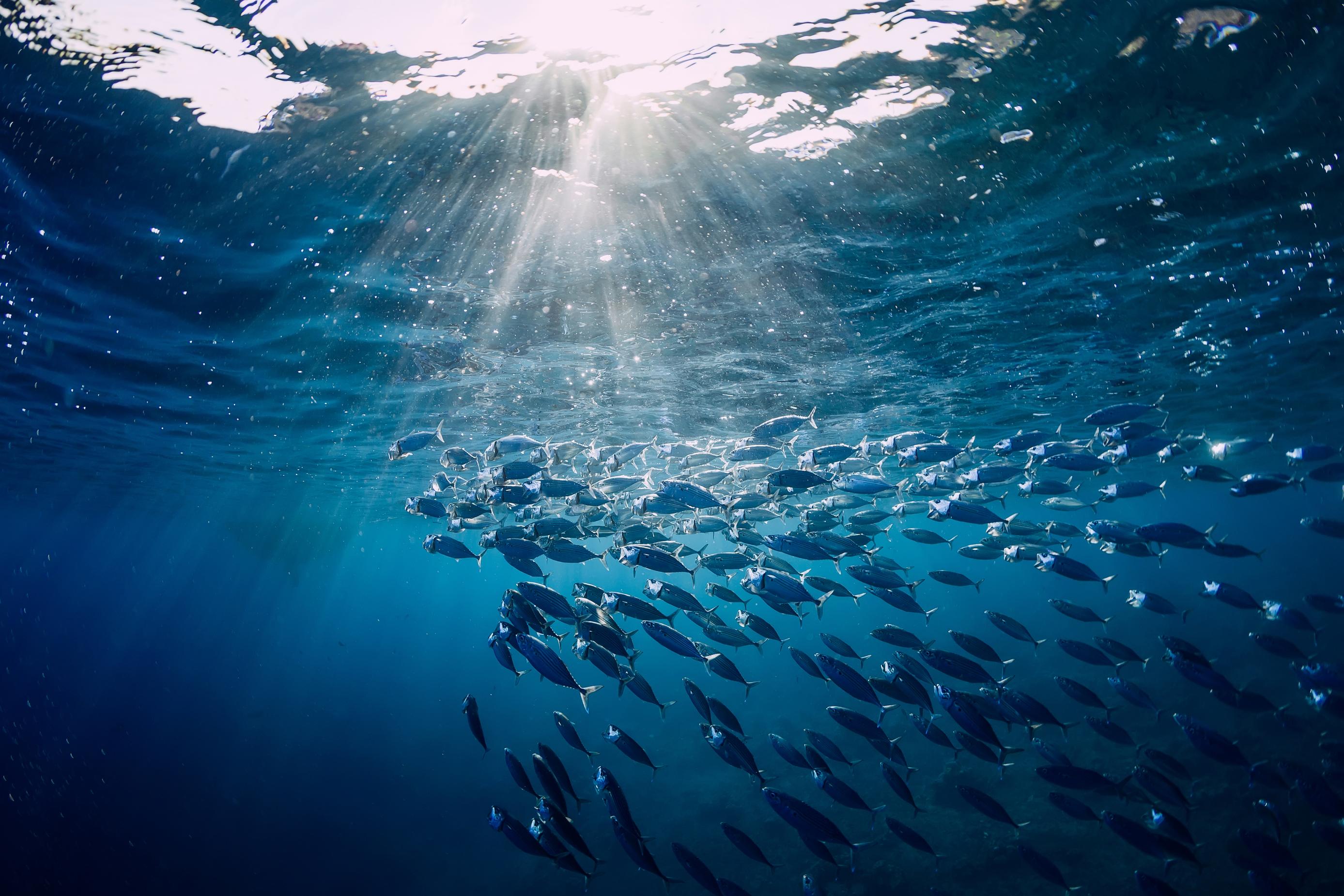
© 2019 WONDERFUL NATURE/SHUTTERSTOCK
Climate change is shifting tuna populations east into the high seas.
The high seas are essentially no-man’s land — no single country has jurisdiction over them, which makes protecting the high seas from overfishing, mining and pollution all the more difficult.
As it stands, the high seas treaty creates a legal framework to establish marine protected areas in waters outside of countries’ jurisdictions. Advocates hope the treaty will take effect sometime in the next year. In the meantime, Hannah says countries, regional fishery authorities and international scientific organizations involved in the treaty must plan for the unprecedented changes oceans are facing.
For example, climate change is pushing tuna populations further east, into the high seas and outside the jurisdictions of Pacific island nations. In those unprotected waters, not only are tuna stocks vulnerable to overexploitation by international fishing fleets, but the economies of developing Pacific islands are also left without a major source of revenue.
And the clock is ticking: Nearly every country on Earth has agreed to protect 30 percent of Earth’s lands and seas by 2030 (an effort known as “30 by 30”), but that will be impossible without the high seas, said Isaac Brito, a Conservation International marine scientist and co-author of the commentary.
“If we try to reach ‘30 by 30’ by only protecting individual countries’ jurisdictional waters, we would have to protect more than 60 percent of those waters globally — which would limit activities like fishing and mining in more than half of the marine territory of each country,” he said. “No country will ever sign that.”
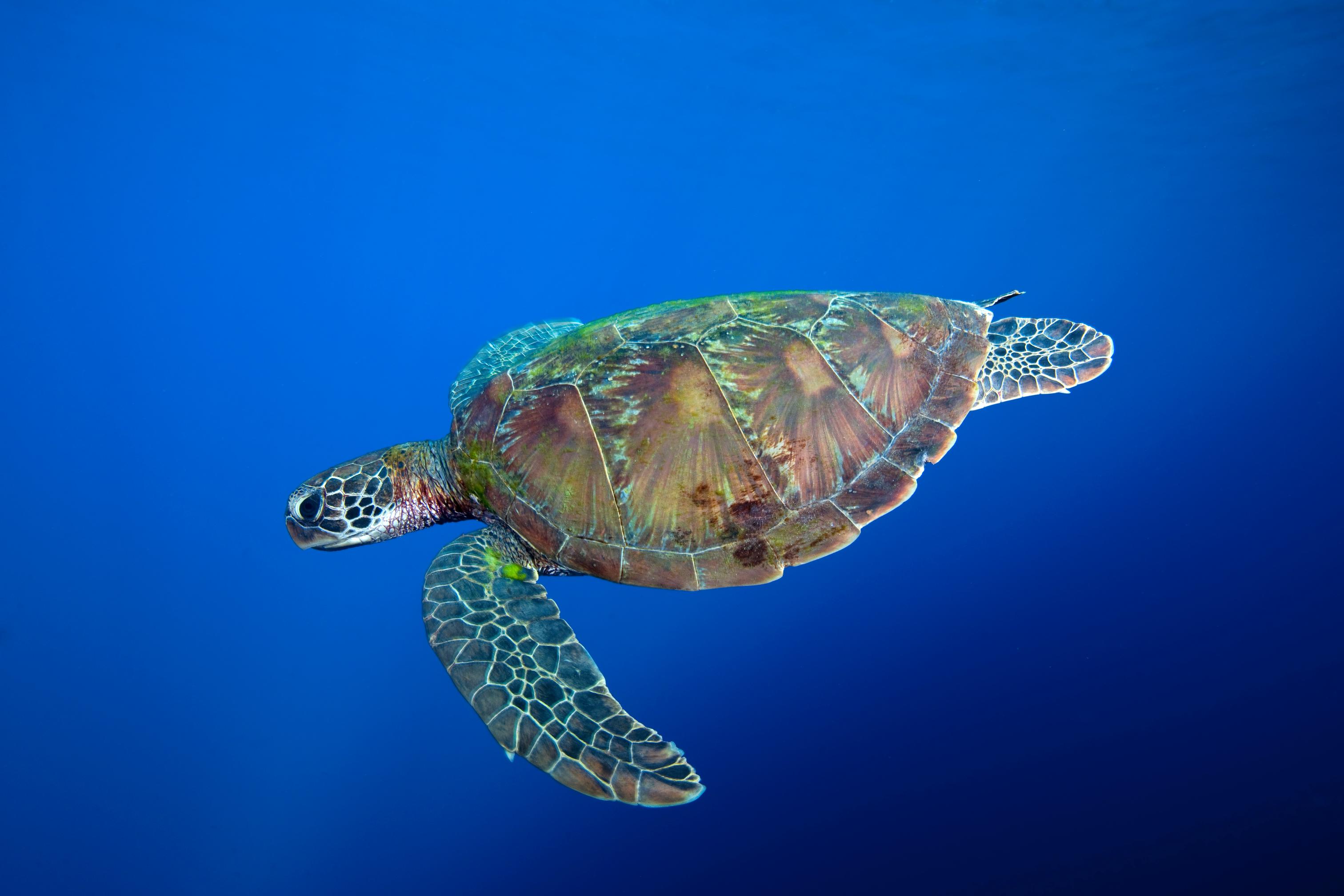
© Jeff Yonover
The high seas are critical for migratory species like sea turtles.
The high seas are home to more than 90 percent of ocean habitat and hold some of the highest reservoirs of biodiversity on the planet.
But if migratory species aren’t protected in the high seas, they are not fully protected anywhere, Hannah said. For example, warming waters and changes in food supply have pushed North Atlantic right whales farther north to new regions off the coast of Canada, where an increase in run-ins with the shipping and fishing industry has led to entanglements in fishing gear and deaths. As a result, new conservation measures are needed in these areas to protect the endangered species.
Ultimately, the conservation plans we create in the high seas need to reflect how species’ migratory, breeding and feeding habitats are shifting in the face of climate change, Hannah said.
“We have a complex task ahead of us,” he said. “It is urgent that we get started now.”
Further reading:
- Shifting tuna populations could trigger ‘climate justice issue’
- Why a new treaty to protect the high seas is a ‘game-changer’
Mary Kate McCoy is a staff writer at Conservation International. Want to read more stories like this? Sign up for email updates. Also, please consider supporting our critical work.