The climate crisis has arrived.
We have a solution.
The climate crisis has arrived.
We have a solution.
The climate crisis has arrived.
We have a solution.
We protect, manage and restore carbon-rich ecosystems in partnership with Indigenous groups and local communities. We also empower producers in agriculture and forestry to reduce deforestation and adopt regenerative techniques.
We secure long-term funding for our projects — and nearby communities — by generating high-quality carbon credits, which are sold on the voluntary carbon market and reinvested in conservation. We adhere to stringent standards, ensuring that our impact is both meaningful and verifiable.
We conduct rigorous and policy-relevant scientific research, exploring new carbon-capture strategies, mapping high-priority areas for protection and modeling the potential consequences of climate change for communities around the world.
Our groundbreaking research identifies the Earth’s ecosystems that must be protected to prevent climate catastrophe. By revealing where the world’s greatest stores of irrecoverable carbon lie, we help governments focus conservation efforts where they matter most.

In Bolivia, small communities taking charge of the forests they depend on
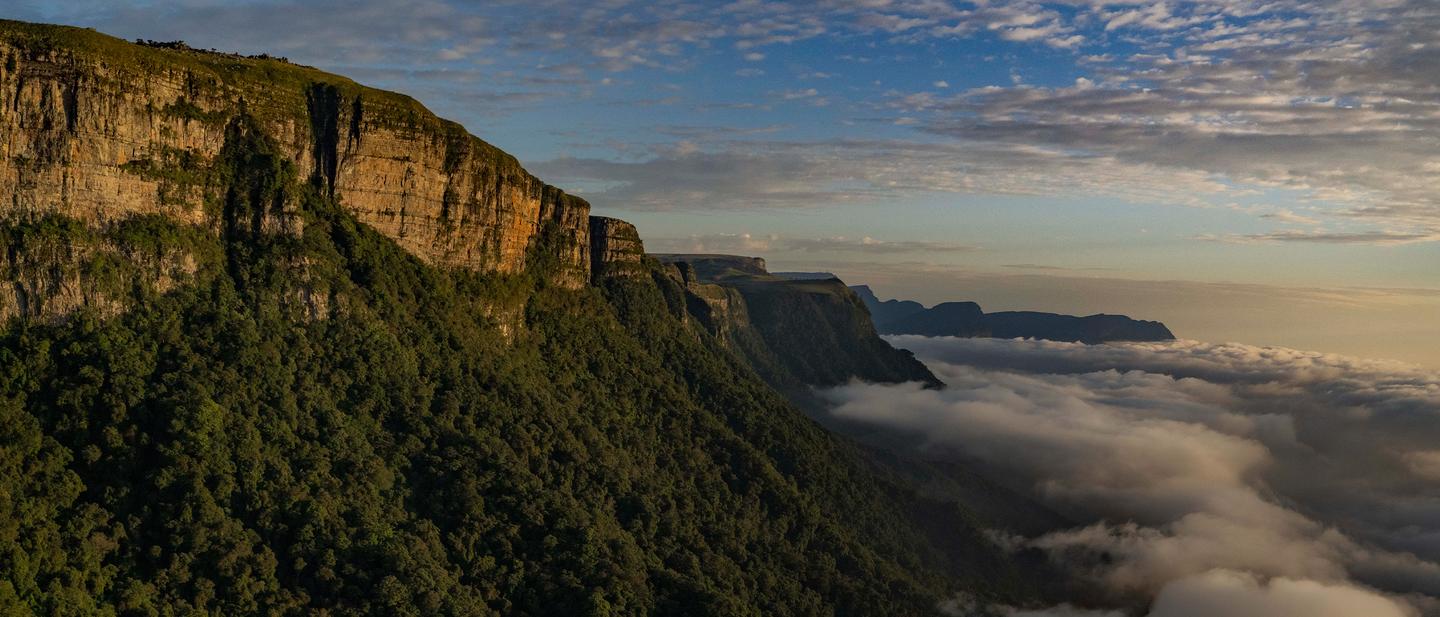
2.85M sq km of carbon-rich ecosystems to protect by 2030
We work in more than 100 countries, putting science into practice, bringing big ideas to life and protecting our planet’s life-sustaining systems. Check out these video clips from the front lines of climate action.
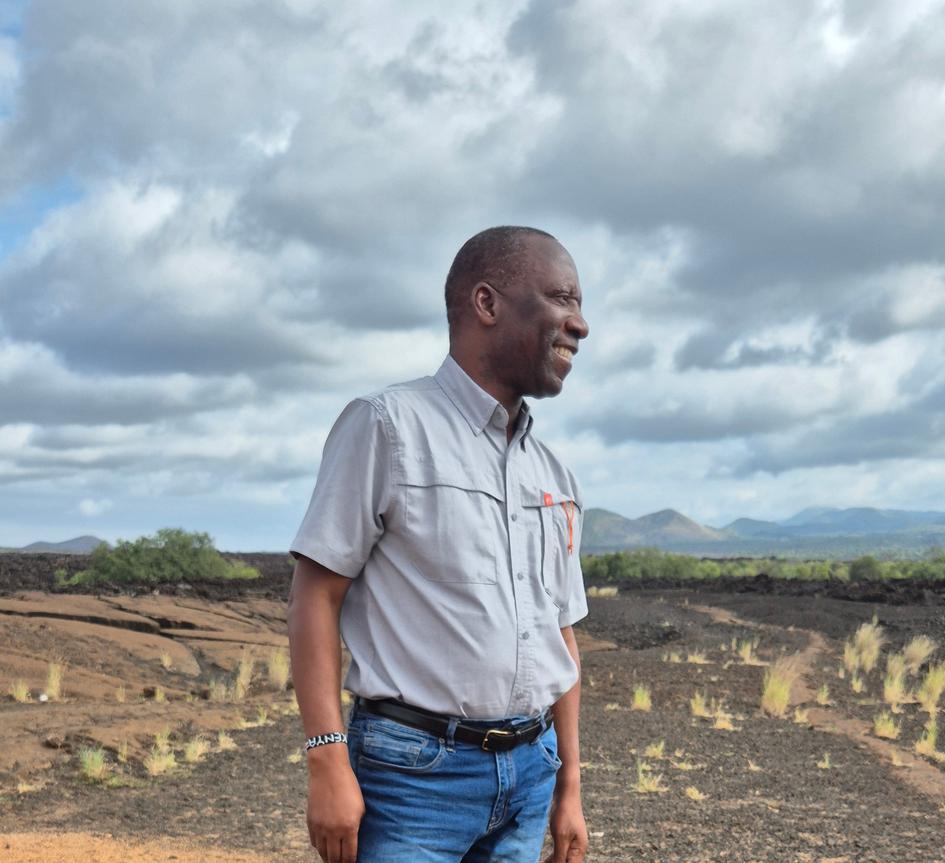
Listen to Jimmiel Mandima as he reflects on the power of nature to tackle the climate crisis. Looking back on the changing forests and rivers of his childhood in rural Africa, he highlights our work alongside Indigenous Peoples and Local Communities to restore carbon-rich landscapes. His message is a reminder that the future of humanity depends on the health of these vital ecosystems.
--:--
LET’S WRITE THE FUTURE TOGETHER
I am young. I care very much about the natural world. Today I discovered this great organisation; Conservation international does it right in my opinion. To fight climate with a technology always available: NATURE. Time is running out! I need to do everything within my power to help. We can do this!"
Every gift — no matter the amount — makes a difference for nature, climate, and communities. We can't do this work without grassroots supporters: Your contribution will help us incubate big ideas, seize urgent opportunities, and adapt to new challenges.
Every private donation helps unlock additional funding from governments, foundations, companies and other global institutions. We can multiply your impact by up to 300%.

Every private donation helps unlock additional funding from governments, foundations, and institutional partners — multiplying impact by up to 300%