Venezuela

Overview
Spectacled Caiman (Caiman crocodilus) with water plant on snout, Venezuela.
© Thomas Marent/Minden Pictures
 

Venezuela holds biologically and culturally important areas in the mountainous Andes, the country's flatlands and the Caribbean.


The Guianan Region Conservation Corridor

Southern Venezuela's portion of the Guianan Region is centered between the Orinoco and Amazon rivers. Together with adjacent areas located in neighboring countries, it is part of the world's largest remaining tropical wilderness, with exceptionally intact and unique ecosystems, and an unusually large number of species unique to this region. The standing forests here store millions of tons of climate-changing carbon as well.


Caura River

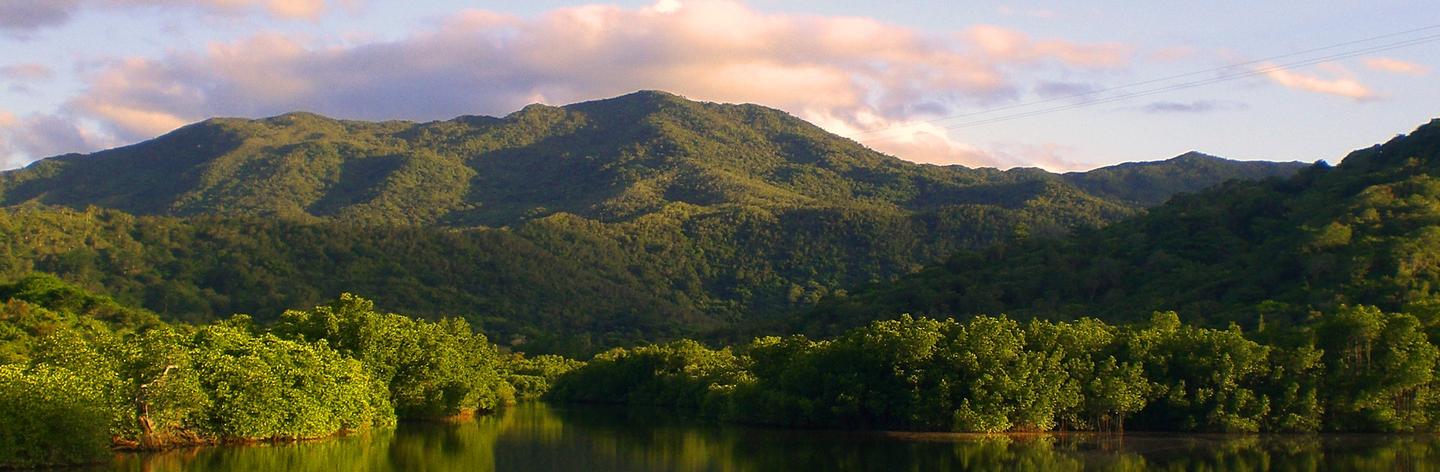
The vast Caura river basin area harbors extensions of lush, green primary forests. It is home to an amazing diversity of life, such as the long-haired spider monkey (Ateles belzebuth) and the South American tapir (Tapirus terrestris), as well as several frog species found no where else on Earth.

Indigenous groups such as the Ye'kwana and Sanema make their home in the area, using its natural resources to produce crafts made from natural forest products.


Canaima

Canaima National Park's three million hectares (nearly 7.5 million acres) include striking table mountains (tepuyes), a great variety of species and Angel Falls (the tallest waterfall in the world). It is a Natural World Heritage site and home to indigenous people with whom local partners are working to increase and improve community-based ecotourism. CI's local partners also undertake environmental education and biodiversity monitoring.

READ MORE: The Sweet Smell of Success


Paragua

Paragua is an area of extensive tropical forests, tepuyes and rivers. It lies between Canaima and Caura. This unprotected watershed provides 50 percent of the water for the Guri Dam, part of a hydroelectric facility that provides the bulk of Venezuela's electricity.


The Northern Andes Conservation Corridor

The Northern Andes Conservation Corridor extends from northern Venezuela into neighboring Colombia, and includes several highly threatened ecosystems.

To protect these fractured resources, CI – through local partners – is promoting the creation of organic gardens to foster indigenous medicinal plants; fostering traditional and organic coffee cultivation and supporting community-based ecotourism to provide income for local residents.

Among the ecotourism opportunities CI and partners support is the "Route of El Quinó" in the Sierra Nevada and Culata national parks. Designed as an alternative to the national and international tourist marked, the initiative links 24 small-scale, locally-owned tourist programs that depend on the region's biodiversity, and further establish the connections between fragmented protected areas.

Across Venezuela, our local partners are committed to protecting the people, cultures and natural landscapes that make the country unique.

ARTICLE: Fishing for Birds in Venezuela

donate now
Tell a friend
Features & Media