Caura River Expedition Day 7

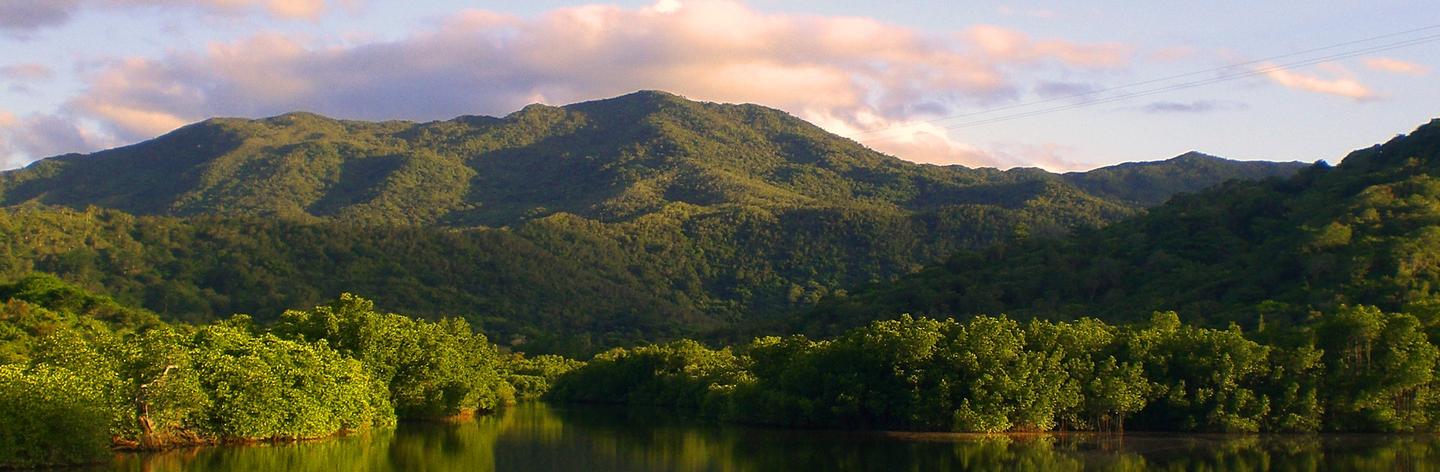
The Caura River.
 
December 1, 2000: Raudal Culebra del Agua

Bottles of scorpions and venomous snakes were piled on a shelf above the radio in the Entreríos meteorological station when we arrived. By the end of a week, we had all but forgotten about them. But we received a wake-up call last night (not to be confused with the obnoxious rooster

"You can tell he is a fish person because every time he tells the story, the critter gets larger."
noises that our logistical manager seems to favor on mornings we have to get up before dawn).

A scorpion stung one of our team members even after he vigorously shook out his clothes. You can tell he is a fish person because every time he tells the story, the critter gets larger. As of this report he was describing it as being about a foot and a half long! Luckily, he is fine, but we are all checking our bedding and clothes extra carefully!

PEOPLE: Meet Guido Pereira, crustacean specialist.

TOOLS:
Measure the oxygen in a bog or a rapid.

SPECIES:
The Guyaba, a common source of food throughout the neotropics.

ISSUES:
Ecotourism in the Caura.

Judith Rosales takes a nap after a long day's work.
Photo Credit: Jensen Montambault

Today we finished our last site in the upper Caura region. The rapids were so rough, waves slopped in the boat. After half a day of sampling, we returned to camp to wash clothes on the rocks at a nearby beach and to write up the final report for the region. A break in the work came when the helicopter arrived.

The pilot will spend the night here and take us and our equipment down the Salto Pará early tomorrow morning. We will be sad to leave our team of Ye'kwana boat drivers. Another team of indigenous guides will meet us at our new camp called "El Playón" or "Big Beach" at the bottom of the falls.

— Reported by Jensen Montambault

<< Previous | Next >>

donate now
Tell a friend
Features & Media