Maps and Facts

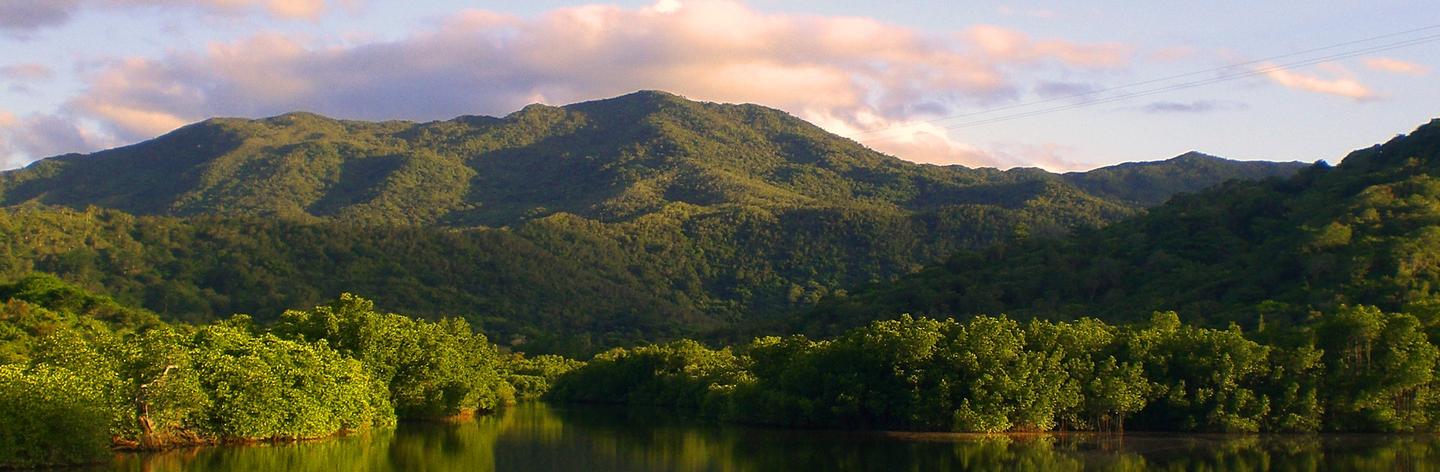
On the banks of the Caura River.
 
Venezuela at a glance

Capital: Caracas

Size: 352,000 square miles (slightly more than twice the size of California)

Climate: The climate in Venezuela varies according to altitude, although lowland areas generally have a tropical climate. The dry season lasts from December to April and the rainy season from May to November.

Language: Spanish

History: Venezuelan-born hero Simón Bolívar is credited with liberating five South American countries from Spanish colonial rule and attempting to form a united South America. Bolivar led Venezuela's quest for autonomy and, on July 5, 1911, Congress declared Venezuela's independence from Spain and approved a Constitution for the new Republic of Venezuela. In 1829, Venezuela emerged from the collapse of Gran Colombia, a tripartite union forged in 1819 between the present-day countries of Colombia, Ecuador and Venezuela.

Geography: Venezuela is located at the northern tip of South America and is bordered by the Caribbean Sea to the north, Guyana and the Atlantic Ocean to the east, Brazil to the south and Colombia to the west. A land of vivid contrasts, Venezuela has four distinct geographical regions: the oil rich Maracaibo Lowlands in the north; the densely populated Venezuelan Highlands in the west, which serve as the commercial and political hub; the vast central plain of the Llanos around the Orinoco; and the largely unexplored Guyana Highlands, which take up about half of the country.

donate now
Tell a friend
Features & Media