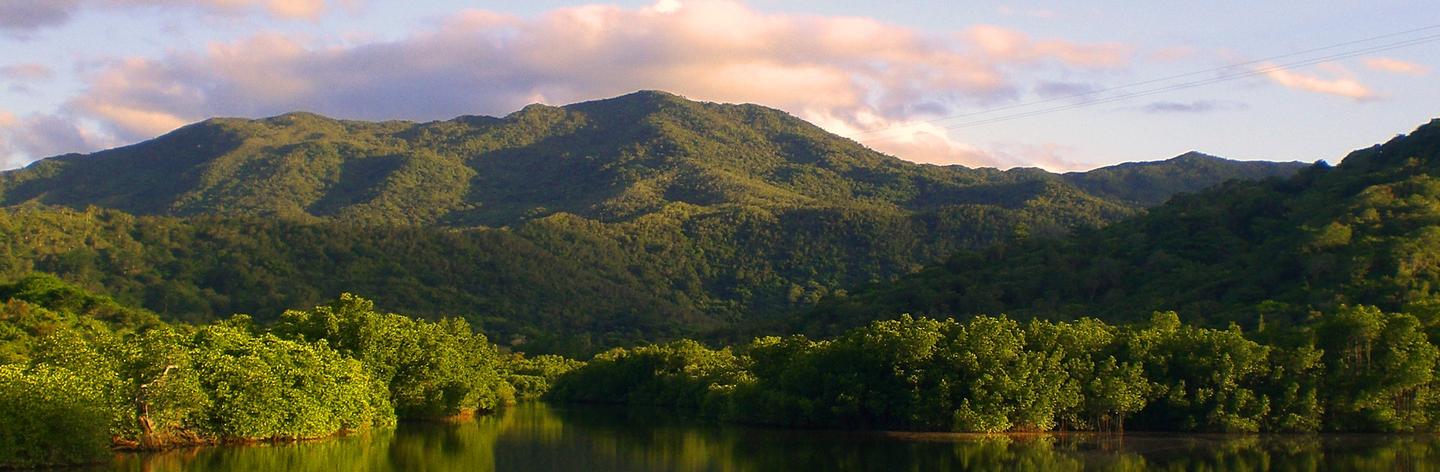
Kanuku Mountains Expedition Day 8

 
Wildlife Trade

The market for wild animals is created by people all over the world who want to buy exotic animals for use as food, pets, entertainment, fashion items, and even medicines. Frequently these species are taken from tropical rainforests, such as those found in Central and South America. Some of this trade is legal, but unfortunately a good portion of it is not. In addition, highly endangered species are sometimes among those animals being traded illegally.

IN DEPTH: Learn more about the illegal wildlife trade

To address this problem, the Convention on the Trade of Endangered Species of Flora and Fauna (CITES) was created to control and regulate international wildlife trade. As a result, to now trade wildlife legally, a CITES permit must be issued and accompany the animal to its destination. These permits confirm that the species being traded is not endangered and that the comprehensive trade of wildlife is not significantly depleting animal populations in the wild.
 
South America is

Animals like the yellow footed tortoise
are vulnerable to poachers.
© Haroldo Castro
considered a primary source for international wildlife smuggling because of its abundance of biodiversity. South American birds such as parrots, macaws and toucans – along with species of reptiles, amphibians, and mammals – are traded internationally and domestically, with estimated millions of animals being smuggled per year.

There is hope for minimizing South America's illegal wildlife trade. Conservationists are encouraging wildlife traders to seek employment at wildlife sanctuaries and animal parks as an alternative to exporting their country's native animals. Additionally, the people and government of some South American countries – including Guyana – have collaborated with CITES to create a quota system for regulation of the country's wildlife trade. In order to keep the trade regulation information current and reliable however, substantial scientific data on animal populations is needed. This is a good example of how biological data collected on a RAP could be utilized to make policy changes in existing conservation laws. Hopefully, CI's findings will play a meaningful role in encouraging and assisting the country of Guyana as it continues to face the challenges of protecting its amazing natural heritage.

- Todd Stevenson

<< Day 7 Dispatch | Wrap-Up >>

donate now
Tell a friend
Features & Media