More About the Expedition

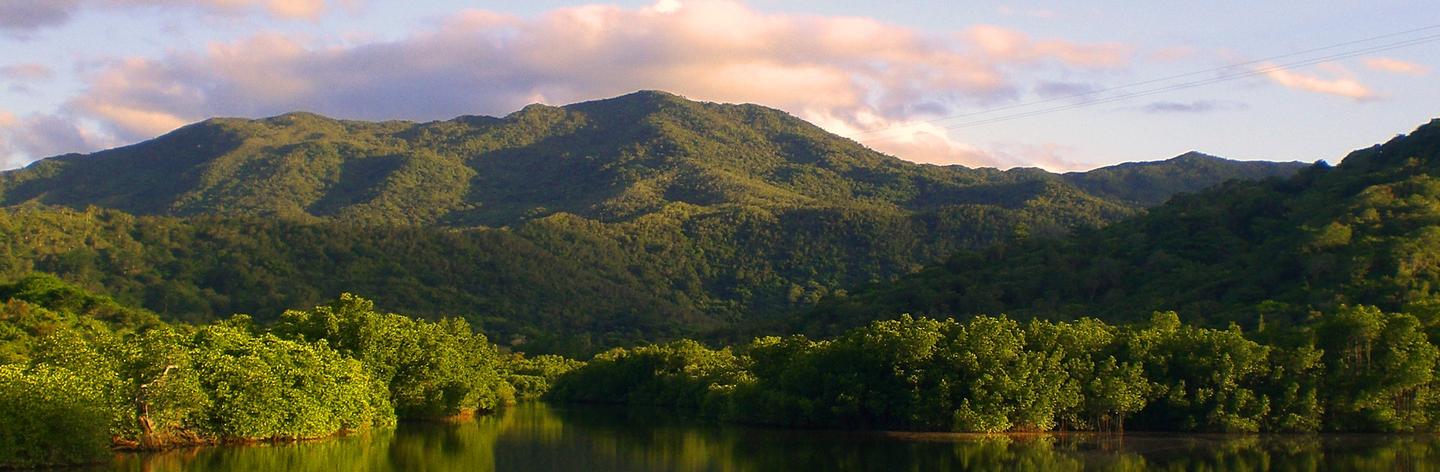
Sunset in the Kanuku Mountains.
 
More about life on expedition

The group convenes back at the camp before dark, which is right at six o'clock in the tropics. We usually take an hour break relax and freshen-up (a nearby creek and pit are our washroom facilities). Scientists use this time to catch up on their field notes and specimen identification. Botanists set up a table to press their plants and preserve small animals like fish and rodents that cannot be identified in the field with alcohol or formaldehyde to take them back to the lab.

We then turn the lab table into a dinner table and eat together again, discussing the day's findings and making plans for tomorrow. Some animals, including frogs, snakes, and bats, are more active at night and some scientists will go back out into the field. RAP is a 24/7 job – no breaks for three weeks!

Airwaves are more active at night, too, as any short-wave hobbyist can tell you. As the scientists work on their samples, I process my own findings, interviews and photographs to create field dispatches for this very website. I have been a licensed amateur radio operator for 13 years (call sign: KS4ZQ, ex-YN9MJR in Nicaragua), so setting up transmissions in the field is old hat. The trick is a good surge protector, strong batteries, a million back-up cables, and a lot of patience to coax the files from my computer in the wilderness to CI's server in Washington, DC via a new, lightweight satellite phone.

Guyana's unpopulated interior is not what you would call a popular travel destination for the business-types these satellite phones were created for, so signal strength is poor. Plus, phones need a clear view of the sky, which is hard to come by in a closed-canopy rainforest like the Kanukus. If I lose the connection in the middle of sending a file, I have to start all over again. It can take an hour to send a few photographs, so I work under the stars until well into the night, then catch a few hours of sleep before the next day's adventure begins.

Want to learn more about what expeditions are like?
Read daily dispatches from the field.

donate now
Tell a friend
Features & Media