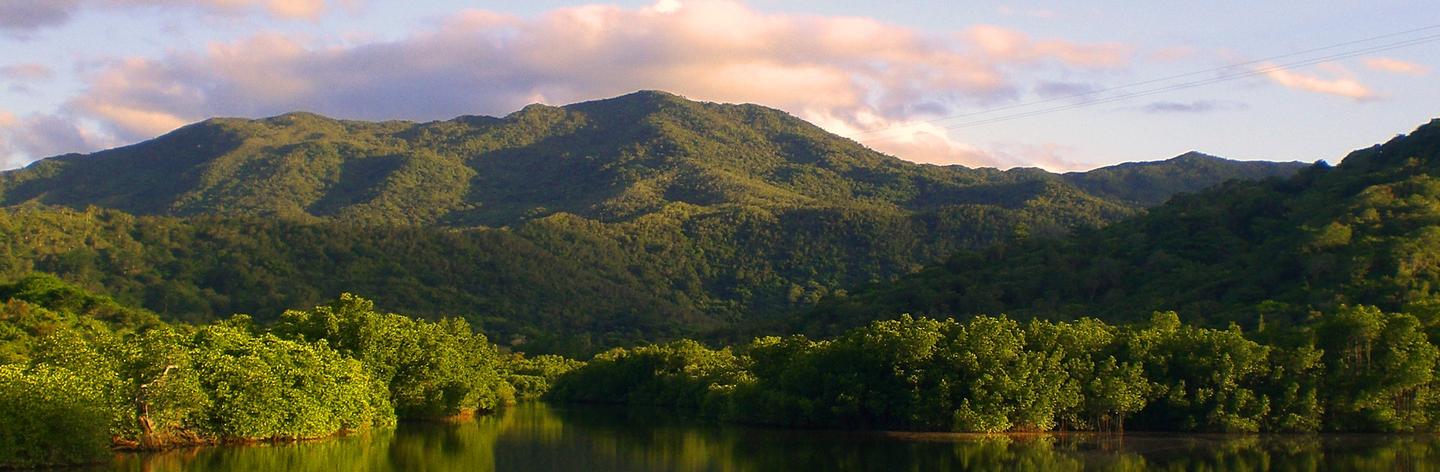
Birds of the Konashen COCA, Guyana

© Piotr Naskrecki
© Piotr Naskrecki
 

Birds are vital members of the forest community. They are primary seed dispersers and many tree
species would not be able to reproduce without the help of birds. Many birds are insectivores, and by consuming large quantities of plant-eating insects, birds keep insect populations from excessive growth which could damage forests. Large birds, such as hawks and eagles, are predators of vertebrates as well as removers of carrion. Birds are also themselves food for other organisms.

IN DEPTH: Learn more about the birds of the Konashen in a report from our field expedition team.

The Konashen COCA provides habitat for a remarkable diversity of bird species and these species presently appear to be under little threat. Care should be taken to maintain these healthy populations, in particular by protecting birds such as parrots from collectors who sell them to global markets.

Harpy Eagle

The Harpy Eagle (Harpia harpyja), also known as Yaymo, is the most powerful bird of prey in the world with claws strong enough to pull monkeys out of trees. This eagle has broad wings, a long tail, and a distinct black chest band on its white underbody. The eagle preys on monkeys, sloths, other mammals, large birds, and snakes. Harpy Eagles build large stick nests and usually lay only 1–2 eggs per year.

This bird is rare because its habitat is in large uncut forests which are becoming increasingly difficult for eagles to find because of human activities, such as logging, which destroy intact forests. Konashen is one of the last places left in the world with large uncut forests where Harpy Eagles can live.
Cock of the Rock

The Cock of the Rock (Rupicola rupicola), also known as Peewu, builds nests on rock faces of cliffs, large boulders, caves or steep gorges. The female Cock-of-the-Rock builds a nest and raises her young without assistance from the male. Cock-of-the-Rock males spend much of their time at communal courtship sites called leks.

When the Cock-of-the-Rock eats fruit, it swallows many whole seeds. Some of these seeds later germinate when the Cock-of-the-Rock defecates or regurgitates them at considerable distances from the parent trees. In this way, the Cock-of-the-Rock plays an important role in dispersing seeds of many forest trees. When high densities of seeds are deposited in this way at Cock-of-the-Rock leks or nest sites, the abundance and diversity of plant species can be greatly influenced, making the plant communities at these sites different from those of the surrounding forest.
Scarlet Macaws

Scarlet Macaws (Ara macao), also known as Kworo, are large, colorful parrots found in humid lowland rain forests, open woodlands, river edges and savannas. They can grow to about 96 cm long, but over half of this length is the pointed tail typical of all macaws. While males and females of this species look alike, the eyes of young Scarlet Macaws are dark and the eyes of adults are yellow. Scarlet Macaws make loud, low-pitched, throaty squawks, squeaks, and screams and they eat mostly fruits and seeds, including large, hard seeds.

Although this species has historically been found in a very wide latitudinal range, since its habitat has become more fragmented, colonies are now mostly confined to tiny populations scattered throughout Central and South America. However they still occur in large numbers in some parts of their territory. Because these birds have been collected in great numbers for the pet trade, Scarlet Macaws are now internationally protected and cannot be taken from the wild.
Black Curassow

The Black Curassow (Crax alector), also known as Pawxi, is a very large bird with a crest of feathers on its head. It is glossy black with a purple sheen and has a white belly. These birds live in rain and cloud forests, often near rivers, singing on moonlit nights and sometimes during the day. They build large nests of loose sticks and like to travel alone or in pairs. Black Curassows perform complex displays that involve striking poses, clapping their wings, and singing loudly.

Because of their large size, Black Curassows are hunted for food. Hunting can lead to a decrease in the population of these great birds if too many are killed too quickly.
Plants  |  Invertebrates  |  Fishes  |  Amphibians  |  Reptiles  |  Birds  |  Mammals
donate now
Tell a friend
Features & Media