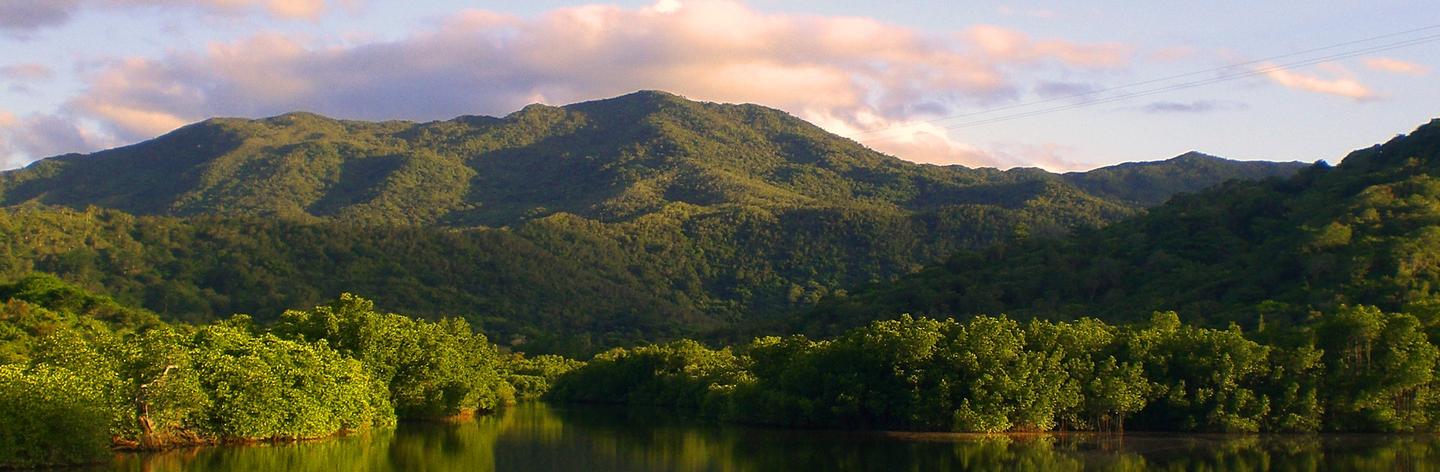
The Galápagos Islands

The coastline of Hood Island, Galapagos. © CI/Photo by Russ Mittermeier
The coastline of Hood Island, Galapagos.
© CI/Photo by Russ Mittermeier
 
Marine Biodiversity and Climate Change

Climate change is already impacting the unique biodiversity and marine ecosystems of the Galápagos Islands. Sea level rise threatens low lying coastal communities and critical habitats for species such as the Galápagos penguin, Waved albatross and sea turtles.

Other consequences of climate change include changing rainfall patterns and increased frequency and intensity of storms leading to coastal erosion, habitat degradation and damage to coastal infrastructure. Increased storm events cause more sediment to flow into coastal waters and onto coral reefs.

ARTICLE: Galapagos and Climate Change

Warming ocean water and its consequent impacts on coral reefs is already visible in the Galápagos and across the world’s oceans.

Several endemic species of coral and algae are critically endangered or near extinction due to climate change. Another significant impact of climate change is the acidification of oceans caused by increasing levels of carbon dioxide in the ocean.

IN PHOTOS: Working for Healthy Coral Reefs

Ocean acidification affects a large number of marine plants and animals important to the Galápagos including corals, lobsters, sea cucumbers and mussels by reducing their ability to grow and reproduce.


The El Niño Phenomenon

Every two to seven years, the phenomenon known as "El Niño" brings warm ocean water from across the Pacific to surround the Galápagos. This blocks the usual source of ocean nutrients and the whole marine ecosystem suffers, from the green marine algal plants to the fish that feed on them to the seabird and sea lion populations that rely on fish for their survival.

Climate change is predicted to bring about stronger and more frequent El Niño conditions thus magnifying the impacts of El Niño beyond anything that the region has seen before.

 LEARN MORE: El Niño and the Galápagos Islands

The effects of these issues include erosion, damage, fewer fish and mammals, decreasing coral populations and changes in weather patterns.
Learn some of the actions you can take whether you are visiting or working in the Galápagos, or from your own home.
donate now
Tell a friend
Features & Media