New Guinea

Mountain owlet-nightjar in the Foja Mountains of Papua province, Indonesia. © CI/Photo by Bruce Beehler
Mountain owlet-nightjar (Aegotheles albertisi) in the Foja Mountains of Papua province, Indonesia.
© CI/Photo by Bruce Beehler
 

Imagine, after a series of gruelling flights, you finally set foot in a largely ignored corner of the world’s highest and most species-rich island. The first bird you lay eyes on is new – no one’s ever seen it before.

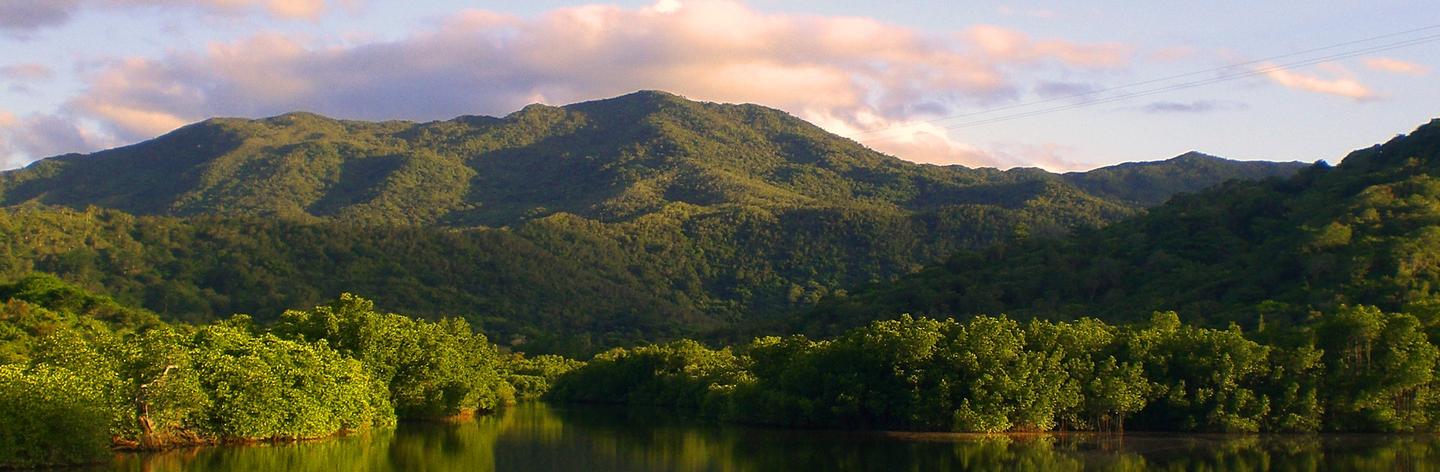
That’s exactly what happened when our scientists arrived at the Foja Mountains of western New Guinea, a real-life museum of exceptionally rare wildlife such as birds of paradise, tree kangaroos, and turkey-sized pigeons.

This “Lost World” was found amidst Asia’s most isolated territory – also the region’s best-kept tropical wilderness. Not limited to forests on the island of New Guinea, the natural marine richness and irreplaceability of Raja Ampat and other neighboring islands make this area a jewel of both land and sea. Like its wildlife, the human cultures of New Guinea are spectacular in their age, diversity and isolation. Over 1000 distinct languages are spoken here, representing one third of our current living languages.

Local people grow up living off the land, as they do in many wilderness areas. Increased hunting, access to firearms, and live animal trade places pressure on wildlife and undermines natural systems. As with most wilderness areas, poorly planned mega-projects and infrastructure development threaten to eat into remote areas, causing fragmentation and loss. Logging, agriculture, and mineral extraction also cast a shadow over this region.

Luckily, the area’s two governments are seeing to it that their portions of New Guinea’s wilderness aren’t unnecessarily spoiled. The western half is protected under Indonesia’s expansive network of reserves, sanctuaries, and parks. In the east, communities protect land themselves, since property in Papua New Guinea is communally-owned.

Either way, strong measures will be needed to fend off those looking to dig up or tear down New Guinea’s tropical forests for its many valuable resources, undermining the existence of local cultures and biodiversity.

donate now
Tell a friend
Features & Media