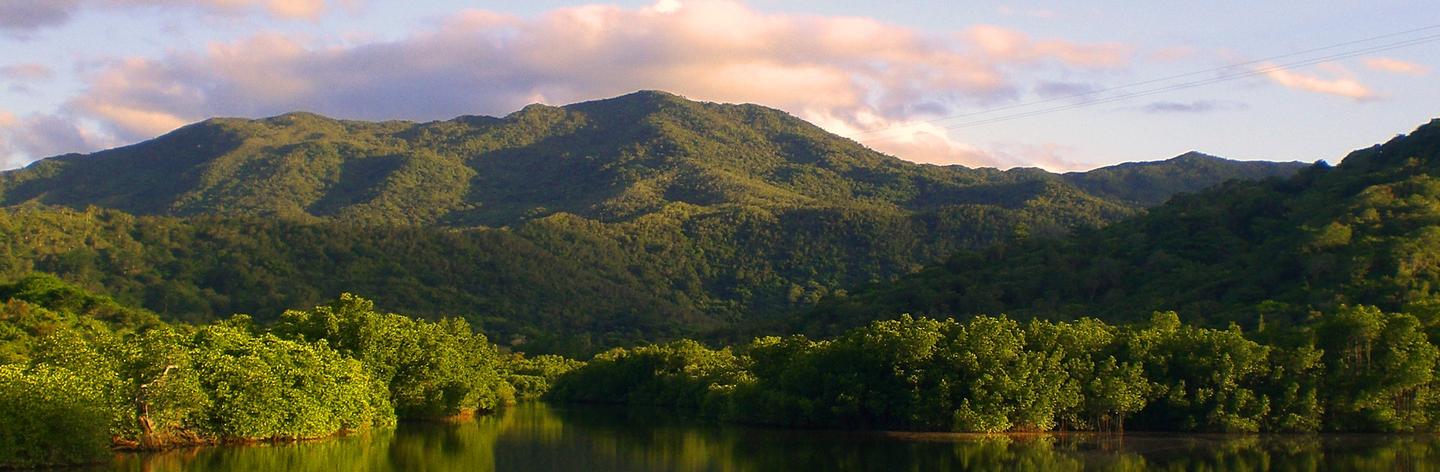
Madrean Pine-Oak Woodlands

 
Conservation action and protected areas

Although some 27,000 km² (around six percent of the hotspot's land area) is under some form of protection, only 8,900 km² (two percent of the land area) are in protected areas in IUCN categories I to IV. Most of the endemic terrestrial vertebrate species in Mexico that are still unprotected are located on the southern slopes of the Sierra Madre del Sur and, to a lesser extent, on the western slopes of the Sierra Madre Occidental and the eastern slopes of the Sierra Madre Oriental, making this hotspot an important conservation priority.

One of the most important protected areas in the hotspot is the 563-km² Monarch Butterfly Biosphere Reserve in Michoacán, which was decreed in 1986. Other Mexican protected areas include the 1,396-km² Sierra de Manantlán Biosphere Reserve in Jalisco, which protects very diverse pine-oak forests, with some 33 species of Quercus. The largest protected area in the hotspot, and one of the largest in Mexico, is the 1,774-km² Cumbres de Monterrey National Park in the Sierra Madre Oriental. In the Sierra Madre Occidental, the 48-km² Cumbres de Majalca National Park, the 58-km² Cascada de Basaseachic National Park and the 93-km² La Michilía Biosphere Reserve conserve notable stands of pine-oak formations. In Baja California, the 1,124-km² Sierra de la Laguna Biosphere Reserve was established in 1994 to protect an island of intact pine-oak vegetation.

On the American side of the hotspot, Big Bend National Park in Texas covers 3,245 km². Most of the pine-oak woodlands in the Madrean Sky Islands of the United States are protected, although the majority are in U.S. Forest Service land. Nevertheless, several smaller, highly protected reserves also occur, some operated by private owners, such as The Nature Conservancy, and others designated as U.S. National Monuments or U.S. Wilderness Areas.

Several conservation NGOs are working in the Madrean Pine-Oak Woodlands, including the Fondo Mexicano para la Conservación de la Naturaleza, which is working to enhance social participation to prevent fires in key areas. PRONATURA/PRONATURA NORESTE, which was established in 1997, works in the Sierra Madre Occidental and Sierra Madre Oriental to conserve and promote the sustainable use of natural resources. The Sierra Madre Alliance, a network of Mexican and international partners working in the Sierra Madre Occidental in Chihuahua, aims to preserve biodiversity and restore the functioning of forested ecosystems through local participation. In the United States, the Sky Island Alliance, formed in 1992, has worked with agencies in Mexico to create a Sky Islands Wildlands Network Conservation Plan to consider the needs of all stakeholders and formulate a framework for conservation in this region.

An important private initiative has been the work of CEMEX to protect Madres del Carmen, in the northern part of Coahuila. Since 1999, the cement company has purchased, and effectively protected, 700 km² of land, including several new pieces that bring El Carmen to the U.S. border and make it contiguous with Big Bend National Park in Texas. As a result, the two protected areas now form a 20,000 km² conservation unit that includes some of the most important remaining tracts of the Chihuahuan Desert wilderness and significant portions of the Madrean Pine-Oak Woodlands Hotspot.

donate now
Tell a friend
Features & Media