New Zealand 

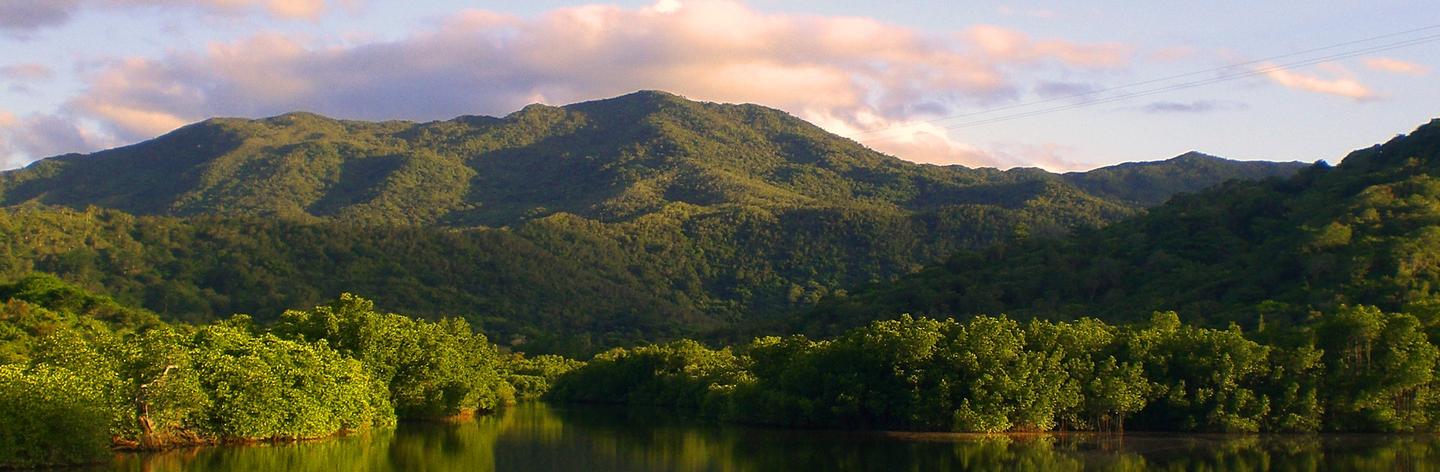
Endangered plants on Ulva Island, New Zealand.
© CI/Photo by Russell A. Mittermeier
 

A mountainous archipelago once dominated by temperate rainforests, New Zealand harbors extraordinary levels of endemic species, including its most famous representative, the kiwi. None of its mammals, amphibians, or reptiles is found anywhere else in the world. Interestingly, both endemic land mammals are species of bats.

Since the island's colonization by humans 700 years ago 50 bird species have gone extinct.

Today, invasive species pose the most serious threat to the flora and fauna of New Zealand's islands, but habitat destruction, through deforestation and wetland drainage, is also a key problem.

VITAL SIGNS

Hotspot Original Extent (km²) 270,197
Hotspot Vegetation Remaining (km²) 59,443
Endemic Plant Species 1,865
Endemic Threatened Birds 63
Endemic Threatened Mammals 3
Endemic Threatened Amphibians 4
Extinct Species† 23
Human Population Density (people/km²) 14
Area Protected (km²) 74,260
Area Protected (km²) in Categories I-IV* 59,794
†Recorded extinctions since 1500. *Categories I-IV afford higher levels of protection.

OVERVIEW

An archipelago lying some 2,000 kilometers southeast of Australia in the southern Pacific Ocean, the New Zealand hotspot covers 270,197 km² on three main islands (North Island, South Island and Stewart Island) and several smaller surrounding islands: the Chatham Islands, 800 km east of South Island, the Kermadec Islands to the north, and the Subantarctic Islands to the south (including the Bounty Islands, Antipodes Islands, Campbell Island, Snares Islands, Auckland Islands, and Macquarie Island). Also included are Lord Howe and Norfolk islands, both Australian territories.

New Zealand is linked biogeographically with New Caledonia via the undersea Norfolk Rise. Both New Zealand and New Caledonia split away from Gondwanaland at the same time and did not separate from each other until around 40 million years ago. Both hotspots are "ancient life-rafts" which have been largely isolated and have evolved unique flora and fauna.

New Zealand ranges in latitude from subtropical to subantarctic, and is a land of varied landscapes, with rugged mountains, rolling hills and wide alluvial plains. It is a tectonically active hotspot with frequent earthquakes and volcanic activity. About 75 percent of the hotspot's land area is above 200 meters in altitude, reaching a maximum of 3,700 meters on Aoraki (Mount Cook).

Climate is highly variable throughout the islands and has played a key role in biodiversity distribution. Annual rainfall ranges from 12,000 millimeters (one of the highest rainfall rates in the world) on the western slopes of the Southern Alps, to less than 300 millimeters in the rainshadow areas east of the Southern Alps. The Kermadec Islands have a subtropical climate, with warm, moist conditions throughout the year, while the Chatham Islands have a cloudy, humid climate, with cool, wet winters and warm, usually dry summers.

New Zealand's forests have been greatly depleted, but, of the remaining forests, the most impressive are those of giant New Zealand kauri (Agathis australis), which are restricted to the far north. Other forests on North Island are dominated by angiosperms, while those in the southern portion of the island and on South Island are dominated by Gondwanan gymnosperms of the family Podocarpaceae and southern beeches (Nothofagus spp.). The forests on the western flanks of the Southern Alps are among the most extensive temperate rainforests on Earth. Other vegetation types include scrub and shrublands, and snow grasses (Chionochloa spp.) above the timberline. At higher altitudes, the vegetation is characterized by cushion plants, many of them endemic and including the peculiar and distinctive "vegetable sheep" (Raoulia and Hastia spp.), which are highly compacted shrubs of the family Asteraceae.

donate now
Tell a friend
Features & Media