Guatemala is making huge strides in developing and implementing a conservation strategy that will ensure sustainable ecosystem flows and long-term benefits for people.
As a country with over 70 percent indigenous citizens, Guatemala must respond to the unique needs of its indigenous populations, providing them with a space in which to voice their concerns and contribute to decisions that affect their lives.
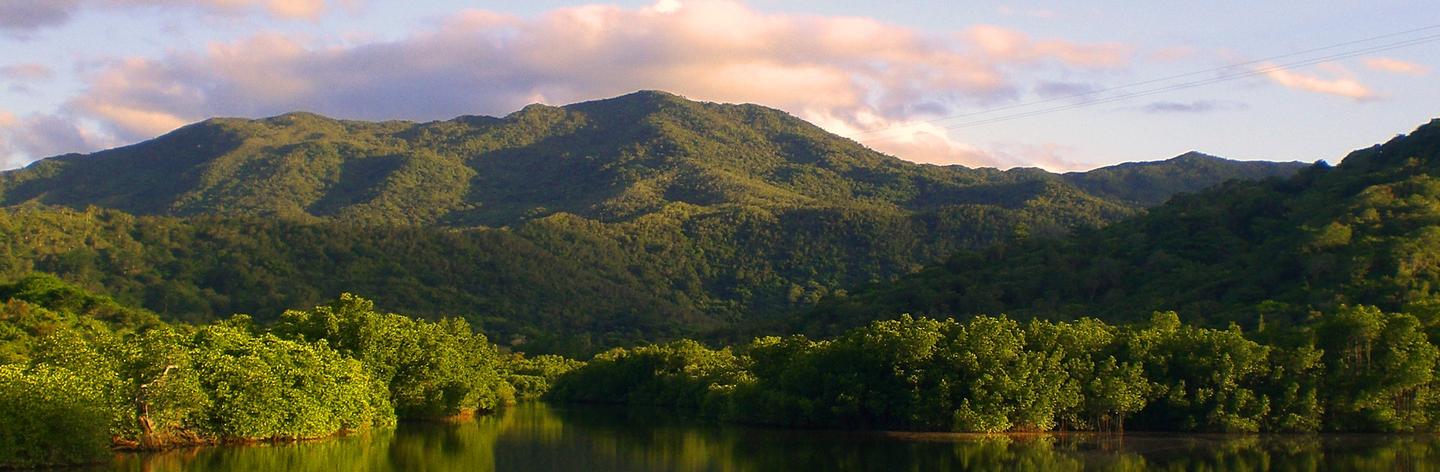
Guatemala is also a place endowed with an incredible natural and cultural heritage. Its tropical rainforests, rich wetlands, and pristine coastal areas not only provide essential ecosystem services, they also house many important cultural and archeological sites that are a mainstay of Guatemalan identity. The country's history of civil strife has resulted in degradation of natural areas and marginalization of indigenous peoples. In response, CI has worked with the Guatemalan authorities, indigenous leaders, civil society groups and others to bring about positive change for both the ecosystems and the people.
IN DEPTH: Discover how economic incentives help benefit both people and nature.
In 2007, a gap analysis was conducted of Guatemala's protected area system to assess their effectiveness. This analysis indicated that many of the country's important species and ecosystems were not under any form of legal protection. The analysis also identified indigenous communal lands as areas that held the biodiversity that could complete the national protected area system.
CI worked with multiple stakeholders to hold a roundtable dialogue on indigenous people and conservation in December 2005. As a result of this initial workshop, a working group was formed and successfully advocated for legal recognition of indigenous communal lands as protected areas in the national protected area framework. The framework is currently being vetted through national legal channels – an important accomplishment insofar as it afforded indigenous groups the opportunity to gazette their lands as protected areas. It effectively ensures conservation of important species, secures land tenure and provides access to government services such as support for management planning and monitoring, all while recognizing the central place of indigenous culture in Guatemalan policy.
As part of the working group, CI is supporting implementation of the new communal lands protected area framework through local-level conservation agreements with indigenous communities. These agreements will provide local people with concrete incentives for conservation, benefitting both species and livelihoods. CI aims to expand this model of conservation agreements to the national scale.
More recently, CI has supported some of these same indigenous groups to participate in national-level climate change policy discussions. The momentum generated through the working group and the communal lands strategy not only provided an opening for indigenous people to participate in national-level discussions, it also resulted in participation at international-level forms, including the UNFCCC negotiations that took place in Copenhagen in December 2009.
The model for indigenous engagement developed in Guatemala has proven so successful that it is now being shared with partners in Belize, a testament to the scalability of this approach.
LEARN MORE: Grupo Promotor in Guatemala