Papua Province

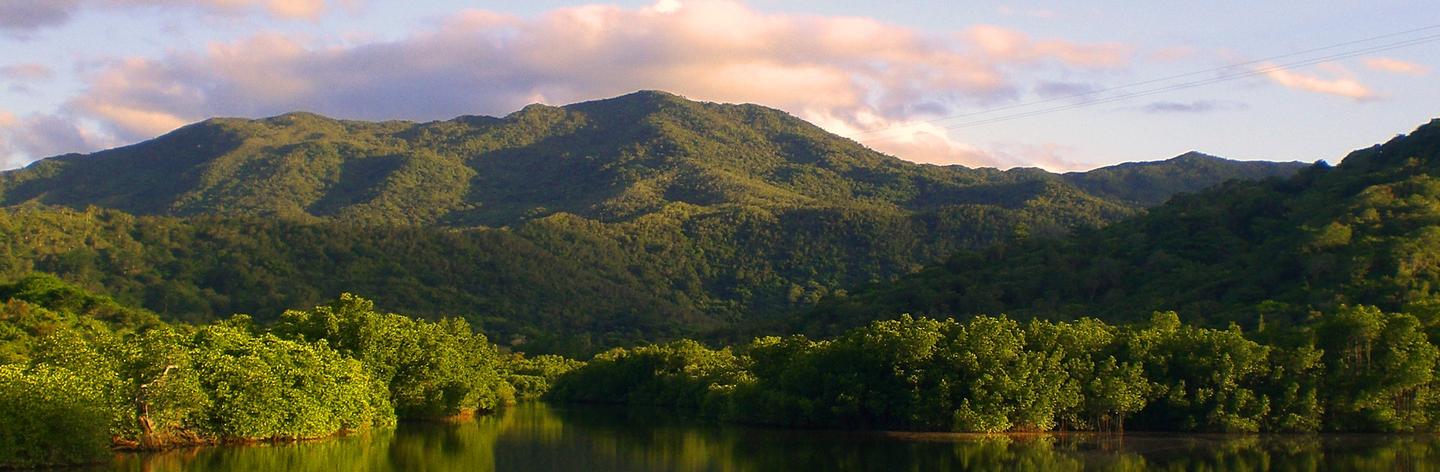
An aerial view of Foja Mountains, Papua Province, Indonesia.
© Bruce Beehler
 

Mamberamo communities are some of the poorest in Papua province. Their relative isolation has obviously been a major factor in causing this poverty – lack of access to education, health, transport, communications, and the marketplace have had a wide-ranging impact. This isolation, and the small population itself, also threaten the success of potential conservation programs and projects. Because so few people live in the Mamberamo region, it is difficult for the local and regional officials to rationalize giving government money to the area for preservation.

Government officials also have to weigh the importance of conservation against the needs of the entire province. Industrial forestry, plantation development for biofuels, the fishing industry, oil, gas, and mineral drilling and mining – called the “extractive industries” – contribute 50 to 60 percent of all revenues to the Papuan provincial government. There seems to be no change on the horizon. Few other sources of government revenue exist and large portions of the Mamberamo forests have already been leased to logging companies. With logging comes harmful road construction and the over-use of Mamberamo rivers for industry transport.

ACT: Protect an acre of forest now

Papua province and much of the Mamberamo has been slated for logging concessions and nearly all of the Mamberamo region is covered by mining exploration leases. It is difficult to gauge the potential threat and economic significance of mineral extraction to the Mamberamo region because of the lack of data on mineral reserves in this region. However, some surveying has been done, and although these current mining reserves are outside protected areas, similar geology is expected to be found in the Mamberamo-Foja wildlife reserve if exploration is permitted. Development of the coal mining in Mamberamo could provide much needed employment and revenue, but the results would include the destruction of high-value ecosystems and the possible pollution of Papua’s largest catchment.

The changing scope of native fauna in Papua province is also a significant challenge to the conservation of the Mamberamo region and the Foja Mountains. Mamberamo is one of the places poachers are catching protected wildlife – such as crocodiles, cassowaries eggs, and birds of paradise – though more data collection and research must be done on these actions. Crocodile hunting had been a significant problem, though recent evidence suggests this activity is happening less frequently.

LEARN MORE: Crocodiles are threatened by illegal wildlife trade

Planned infrastructure and commercial development is also a challenge to regional conservation. Major road developments, which go hand in hand with logging, will be a significant threat to the ecological habitat. A proposed dam development project could flood the entire inland basin while providing power for ore smelters and sawmills. Covering over one million hectares, it would exploit the hydropower potential of the Mamberamo River and affect the hundreds of native species of the region.

Although Papua province is facing numerous challenges in protecting its unique wildlife resources, Conservation International has been working with local and regional government officials as well as indigenous communities to create scientifically based, effective, and efficient conservation strategies.


donate now
Tell a friend
Features & Media