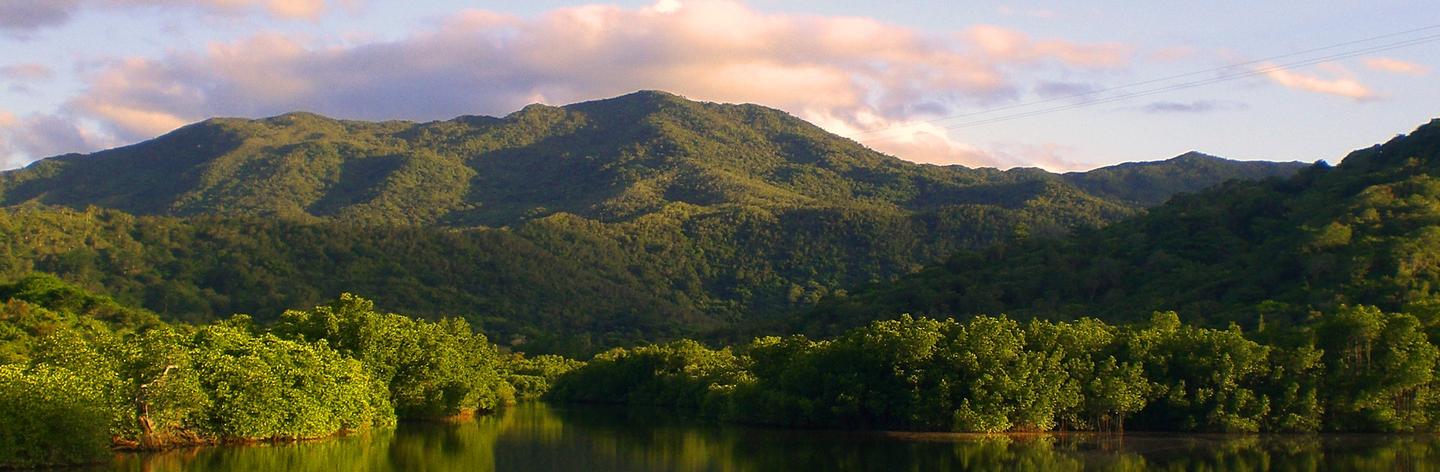
Photo Caption
Pulau Patagtaga, a turtle nesting islands.
© Asril Djunaidi
Page Content
Patagtaga Island
N 00º45.685' E 128º19.643'
After a long day survey through a number of beaches around Buli Bay, I decide to visit Patagtaga Island in the evening. This island is also called Pulau To. Joanne has to sleep in the dinning room while I prepare a torch and arrange a rubber boat with the captain.
At 1 a.m. sharp, we left the seven seas to Pulau Patagtaga, about 2.5 nautical miles, and it took us 15 minutes. The water was so calm; we saw many lights/fluorescence in the water. We think that it comes from squid and also big jellyfish.
Around the rubber boat many anchovies jumped out of the water as well. However, when I did an interview with the fisherman they complained that their catches are low recently because of so much mucous in the water. Coral scientists in this survey confirmed that it comes from coral, which expels mucous to defend itself from sediments and heavy nutrients from mining operation.
|
 |
An unhealthy reef stressed by sediment. When stressed by sediment, hard corals produce lots of mucus to remove the sediment from their surfaces. This mucus floats in the water column, where it becomes entangled in branching soft corals. |
|
When we arrived we heard voices. After saying hello, I started a conversation with them. In the conversation we understood that they were waiting for turtles to
lay eggs. Joanne and I explained about conservation and the usefulness of turtles. He seemed understand what we discussed. Turtle eggs are not a delicacy to them, said the man. However he thinks that information and discussion about turtle is necessary.
After we talked with them for about an hour and a half, we started to walk around the island for 20 minutes and board the rubber boat. We hope that this man will pass the information to other people in his area.
– Asril Djunaidi
<< Prev | Next >>
Subsection 01
Photo: (top) Pulau Patagtaga, a turtle nesting islands. © Asril Djunaidi; (middle) An unhealthy reef stressed by sediment. When stressed by sediment, hard corals produce lots of mucus to remove the sediment from their surfaces. This mucus floats in the water column, where it becomes entangled in branching soft corals. © Sterling Zumbrunn; (bottom) Asril Djunaidi explaining to fishermen that it is important not to catch turtles because they are threatened. © Erick Zulhikman