Page Content
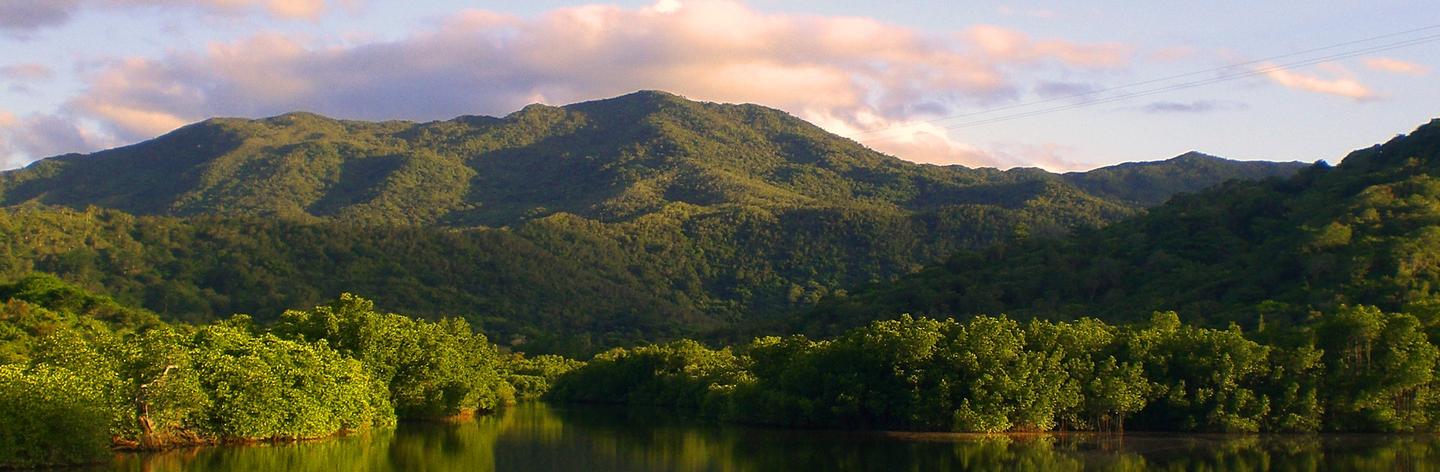
A year and a half after the CI-led Rapid Assessment Program (RAP) survey in Indonesia's Foja Mountains in 2008, the scientific results are finally in. The biologists on the expedition (which was a collaboration between CI, the National Geographic Society and the Smithsonian Institution) discovered several species new to science – a wide array of animals which have flourished in the isolated, undisturbed montane forests.
Among their discoveries:
- A possible new species of spike-nosed frog, found by accident on a bag of rice in the campsite.
- A forest wallaby that may be the smallest member of the kangaroo family.
- A pair of imperial pigeons with distinctive plumage, captured on film for the first time.
The expedition was not without its challenges – including flash floods and difficult helicopter flying conditions – but the rewards were well worth it. Completing this series of biodiversity surveys, the RAP expedition essentially filled in one of the largest and richest expanses of terra incognita in the Pacific.
Read the press release to find out more about the new species discovered, or see below to check out photos of the new species and dispatches that the RAP team posted from the field.
Subsection 02
View a gallery of the amazing species discovered in the remote Foja Mountains.
Subsection 03
Meet the RAP team and read dispatches from the field from our most recent visit to the Foja Mountains.
Subsection 04
Bruce Beehler traveled with a film crew back the Foja Mountains for his team's second expedition in December 2007. The video brings the forest to life like never before.
Subsection 05
The first expedition to the Foja Mountains began 25 years ago in the imagination of CI scientist and vice president Bruce Beehler. In 2005 it became a reality.