Where We Work
The Ocean
Africa & Madagascar
Asia-Pacific
Cambodia
China
Indonesia
Pacific Islands
Papua New Guinea
Philippines
Solomon Islands
Europe & Central Asia
North & Central America
South America

 Cambodia

Flooded forest and boat in dry season, Tonle Sap, Cambodia.
© FLPA/Derek Hall
Cardamom Mountains
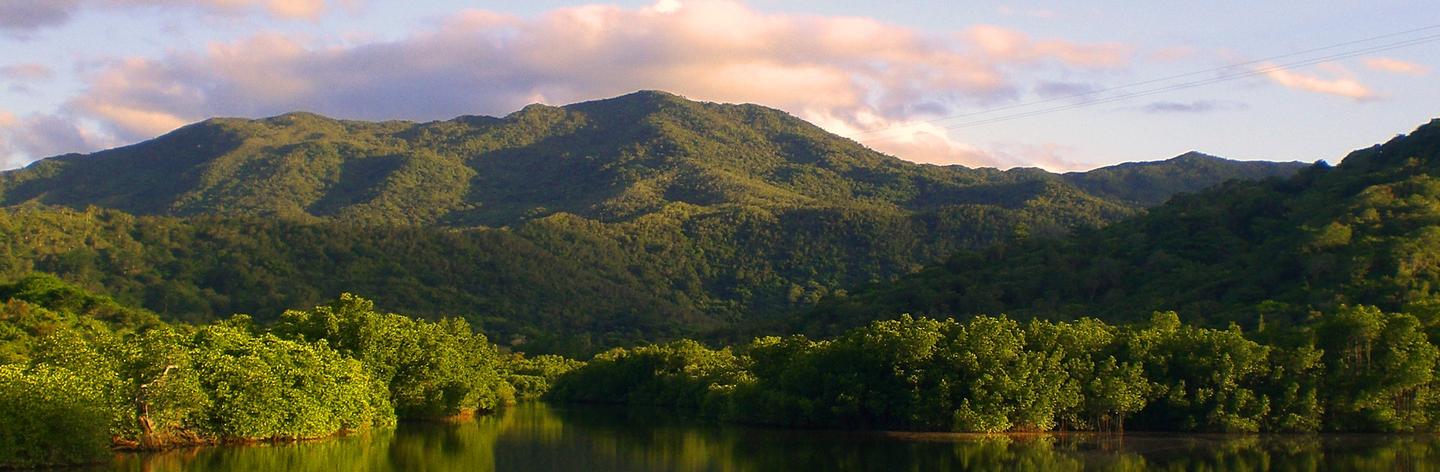
The Cardamom Mountains in Cambodia form one of Southeast Asia's last intact forest wildernesses. This area of astonishing scenic beauty is an important ecosystem, both for species and for people.
MAP: Cambodia

The Cardamom Mountains provide essential ecosystem services upon which people depend, namely water. The monsoon rains fall heaviest on the Cardamom Mountain's plateau – the source of several nationally significant rivers – making this the primary watershed for one-third of Cambodia. The rivers flowing north into the Tonle Sap Lake play an important role supporting the lake's regionally important fishery and providing an essential source of high-quality drinking water for the provincial capital city, as well as year-round water for irrigation of lowland agricultural lands. The rivers flowing south into the Gulf of Thailand support the rice fields and fishing grounds upon which many of Cambodia's poorest people depend.

BLOG: Freshwater, Forests, and Fishing Cats

The Cardamom Mountains are becoming increasingly vulnerable to illegal logging, wildlife hunting, forest clearing and land encroachment. Forest loss would have devastating downstream impacts, including floods during the wet season, droughts in the dry season, reduced fishery productivity, decreased downstream agricultural yields and loss of ecotourism opportunities.

Since 2001, CI has supported indigenous communities and government agencies responsible for managing the Central Cardamoms Protected Forest (CCPF), a 401,313-hectare protected area (approximately 990,000 acres). CCPF is one of the largest protected areas in Asia – larger than Yosemite National Park. CI has worked to support participatory land-use planning that reconciles conservation and development, and that promotes community agreements that link livelihood improvements to wildlife protection, ranger training and biological research and monitoring.

Developing a functional and effective protected area in the CCPF ensures the conservation of intact ecosystems as well as the safeguarding of species, resources and services over the long term. One of the important steps in accomplishing this was the development of the CCPF five-year management plan, produced by CI and the Cambodian government. This is the first protected area management plan to be approved in Cambodia's history. The process has built government capacity and the legal framework needed for effective, long-term protected area management.

Another important component of the strategy has been working in the broader Cardamom landscape beyond the CCPF. Conserving the forests outside the protected area is important for mitigating the effects of climate change. These forests are currently experiencing high rates of deforestation and degradation. Their protection will reduce the amount of carbon being emitted into the atmosphere, contributing positively to climate stabilization. It will also serve to buffer the CCPF from detrimental threats.

CI's program in the Cardamom Mountains is an integrated approach that effectively conserves biodiversity and essential ecosystem services for the benefit of local people.

READ MORE: In the Cardamoms: Life Downstream


donate now
Tell a friend
Features & Media