Bali, Indonesia – On Forest Day at the U.N. climate change talks in Bali, Indonesia, Conservation International (CI) applauds the strong step by the U.S. Senate Committee for Environment and Public Works this week in voting to advance America’s Climate Security Act. This is a defining moment for the United States, indicative of the American public’s desire to effectively and proactively respond to climate change.
The measure includes significant steps to reduce greenhouse gas emissions from a number of sectors, and incorporates measures aimed at reducing deforestation and restoring cleared or degraded forests. This is a good first step at a time when the world is looking for U.S. leadership on the climate change issue. The Committee’s vote serves as a vital signal to U.N. negotiators in Bali: avoided deforestation should be part of a responsible approach to slowing and ultimately reversing the dangerous effects of greenhouse gas emissions on our planet’s climate.
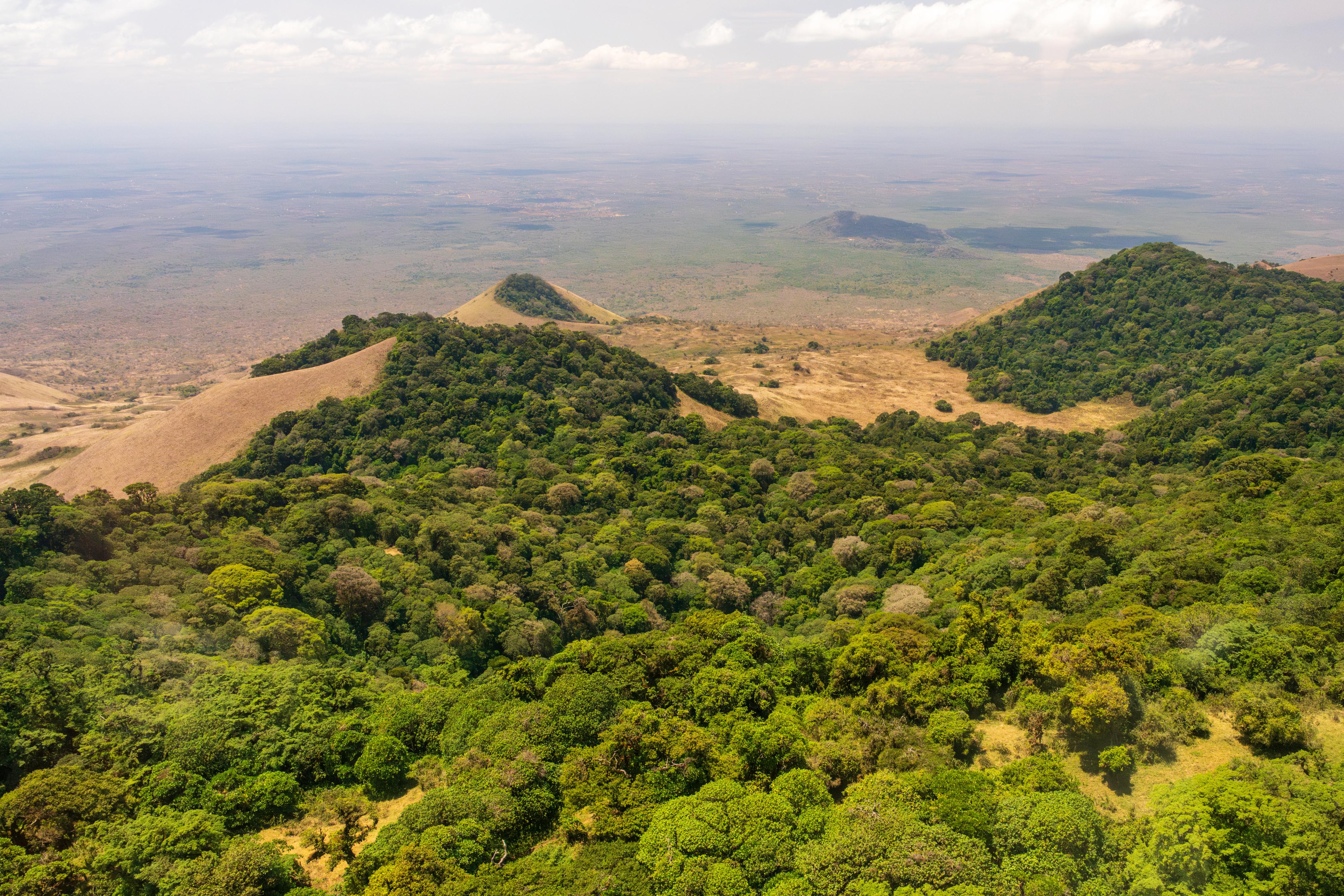
The burning and clearing of tropical forests contributes at least 20 percent of total global greenhouse gas emissions, more than all the world’s cars, trucks, trains and airplanes combined. Reducing deforestation, restoring forests, and encouraging good forest management practices are among the most immediate and most cost-effective ways to mitigate climate change. Tropical forest protection offers opportunities for win-win solutions in both mitigation and adaptation strategies. Protecting intact rainforest reduces greenhouse gas emissions, and conserves some of the richest biological diversity on Earth to maintain the health of ecosystems that provide life-sustaining benefits for indigenous people and other local populations that are most vulnerable to the impacts of climate change.
Along with these measures, we must also expedite development and deployment of low emissions energy technologies in order to achieve necessary cuts in greenhouse emissions. Only a comprehensive set of strategies can effectively respond to what may be the greatest environmental challenge of our time.
As our mission at CI is to protect the diversity of life on Earth and the ecosystems that sustain this diversity, we are pleased by the Climate Security Act provisions. Not only is Congress strongly voicing its intent for U.S. policy to change, but it also has offered a precedent for the inclusion of reduced deforestation policies as a critical component of comprehensive and effective climate change legislation.
The Bali meeting will determine the global strategy against climate change when the Kyoto Protocol expires in 2012. Avoided deforestation must be part of that strategy.