Conservation International is a global team of more than 1,600 employees spread across over 30 countries. More than 97 percent of our staff are native to the countries in which they work.
Our Staff
Staff Leadership

Sebastian Troëng, Ph.D.
Chief Executive Officer
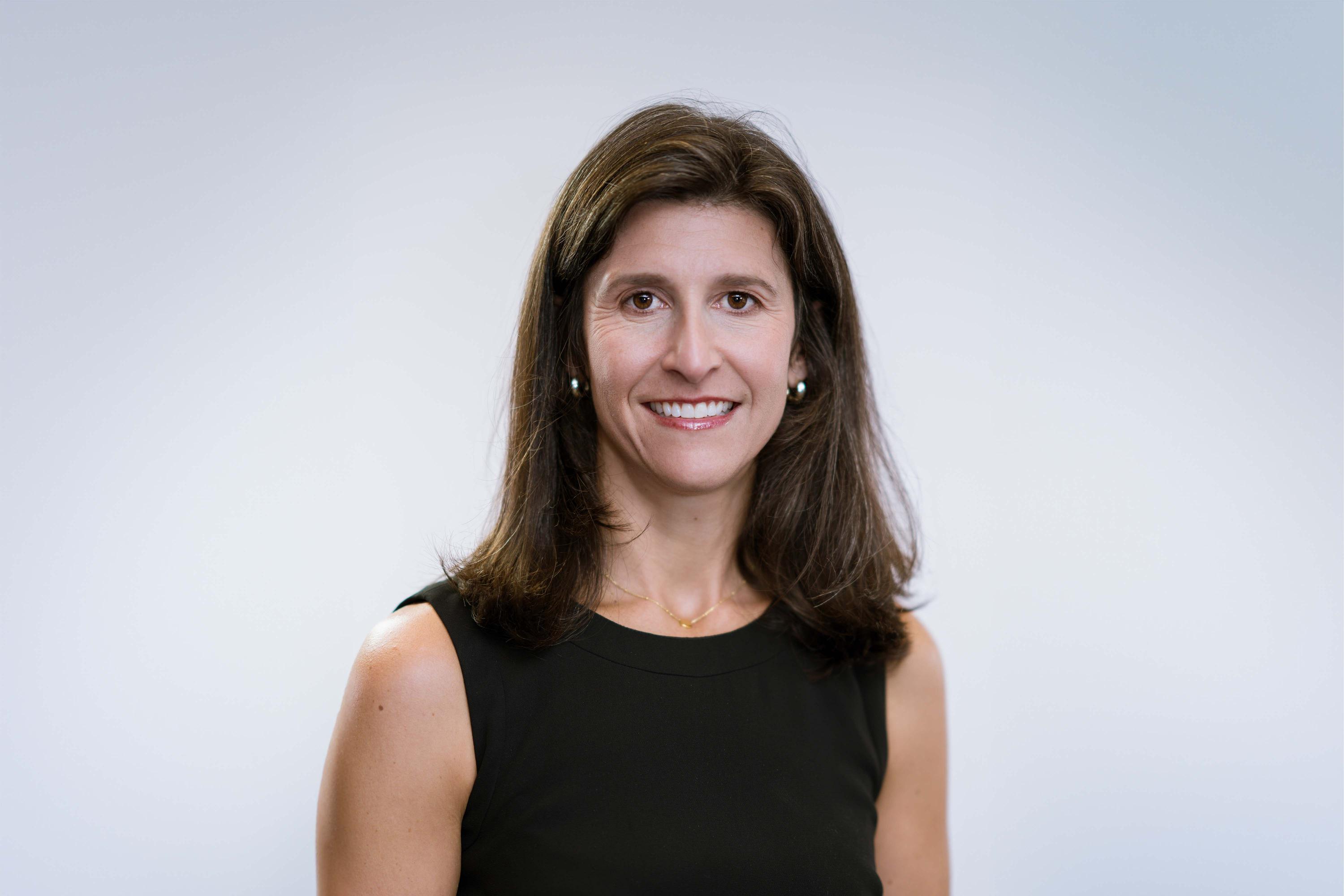
Daniela Raik, Ph.D.
President and Chief Conservation Officer
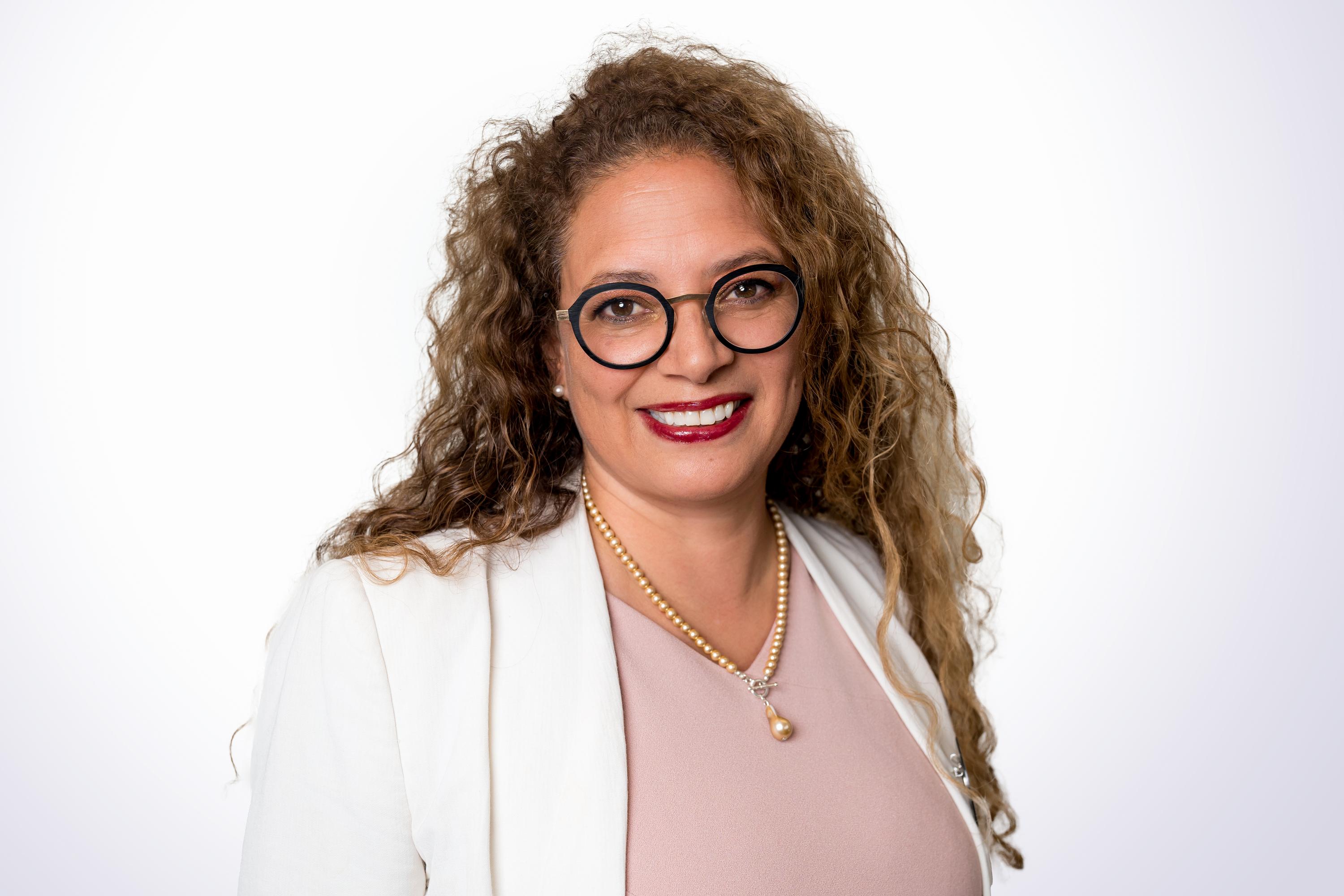
Patricia Zurita
Executive Director and Chief External Affairs Officer
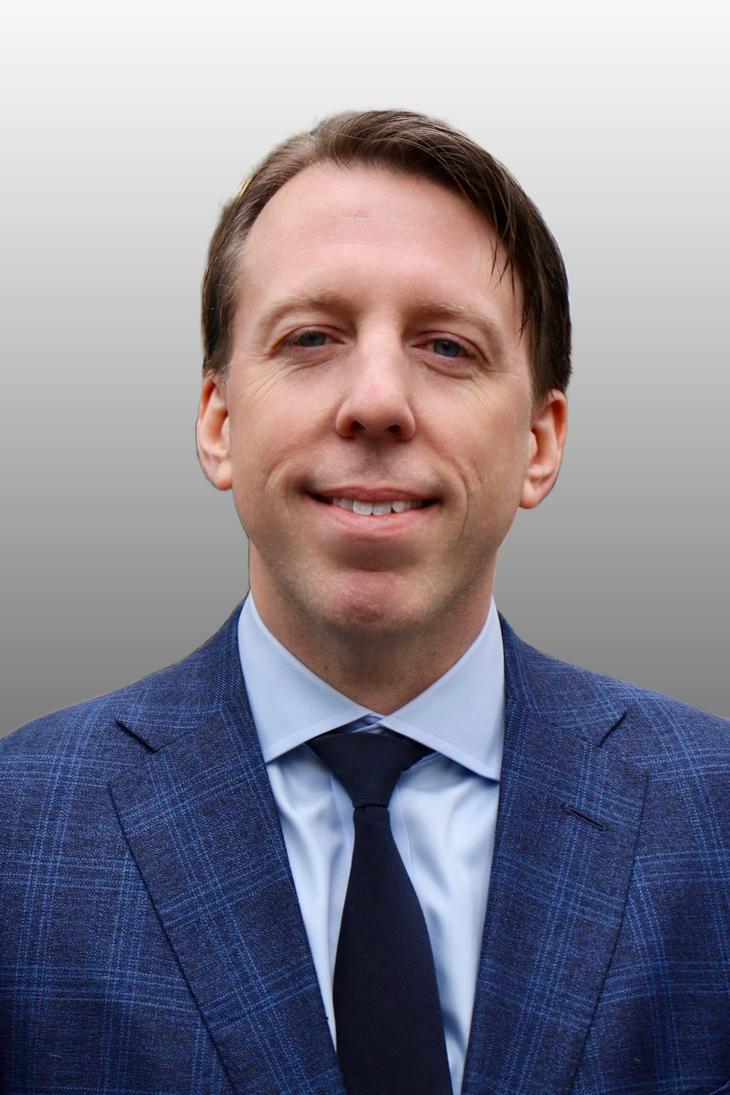
Len Costa
Chief Communications & Marketing Officer
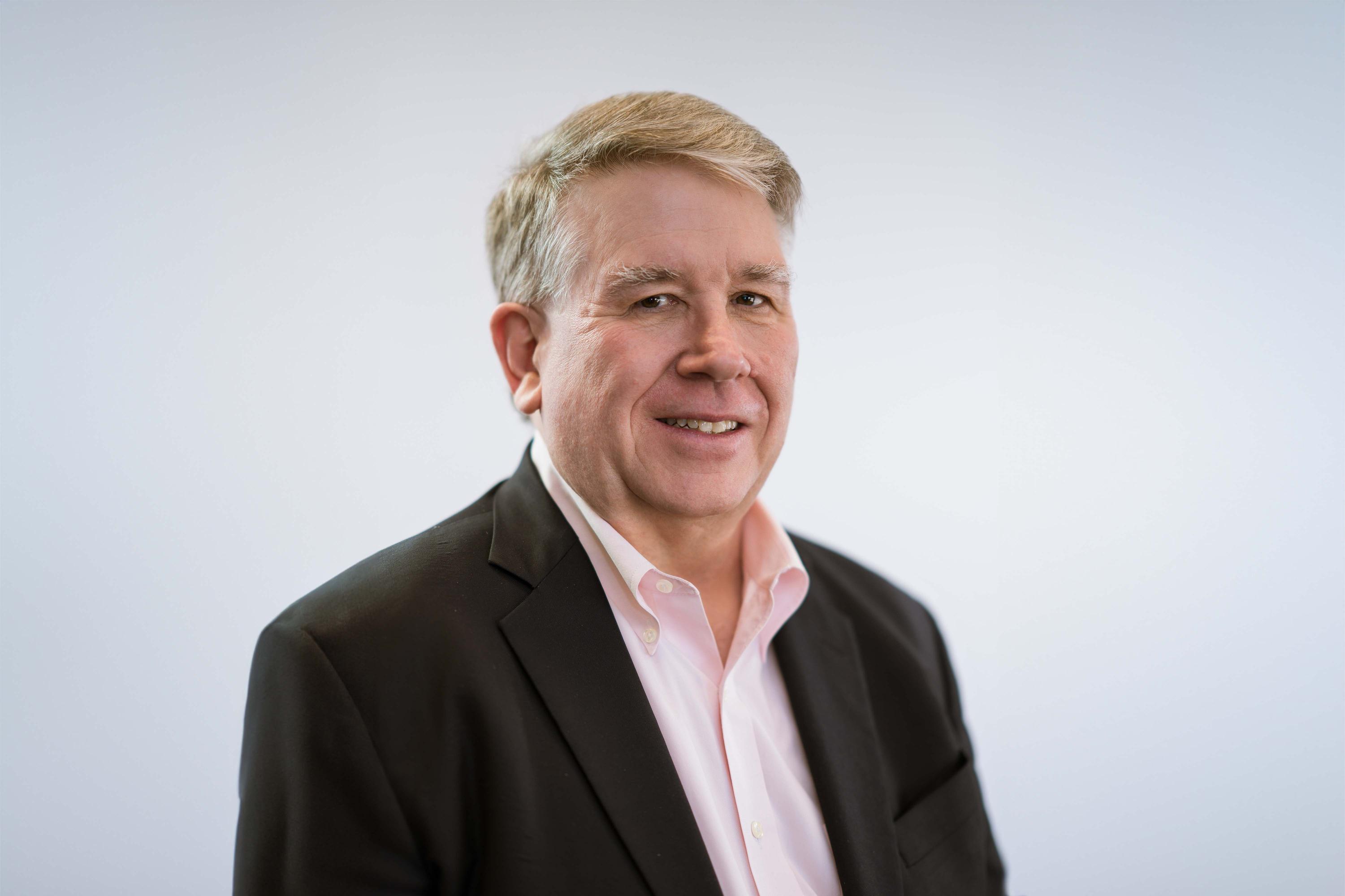
Rick Nash
General Counsel and Chief Legal Officer
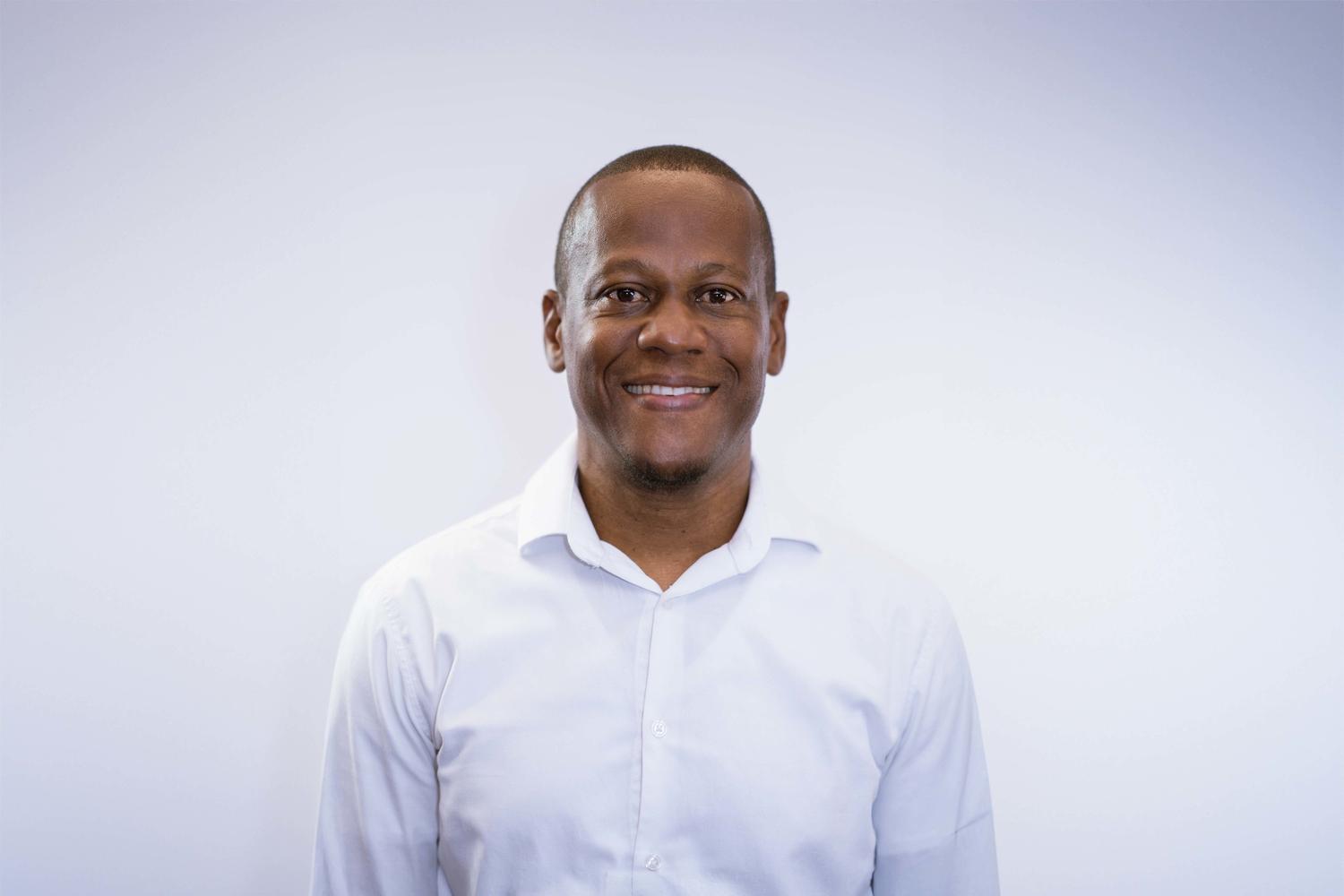
Kelvin Alie
Deputy Chief Conservation Officer
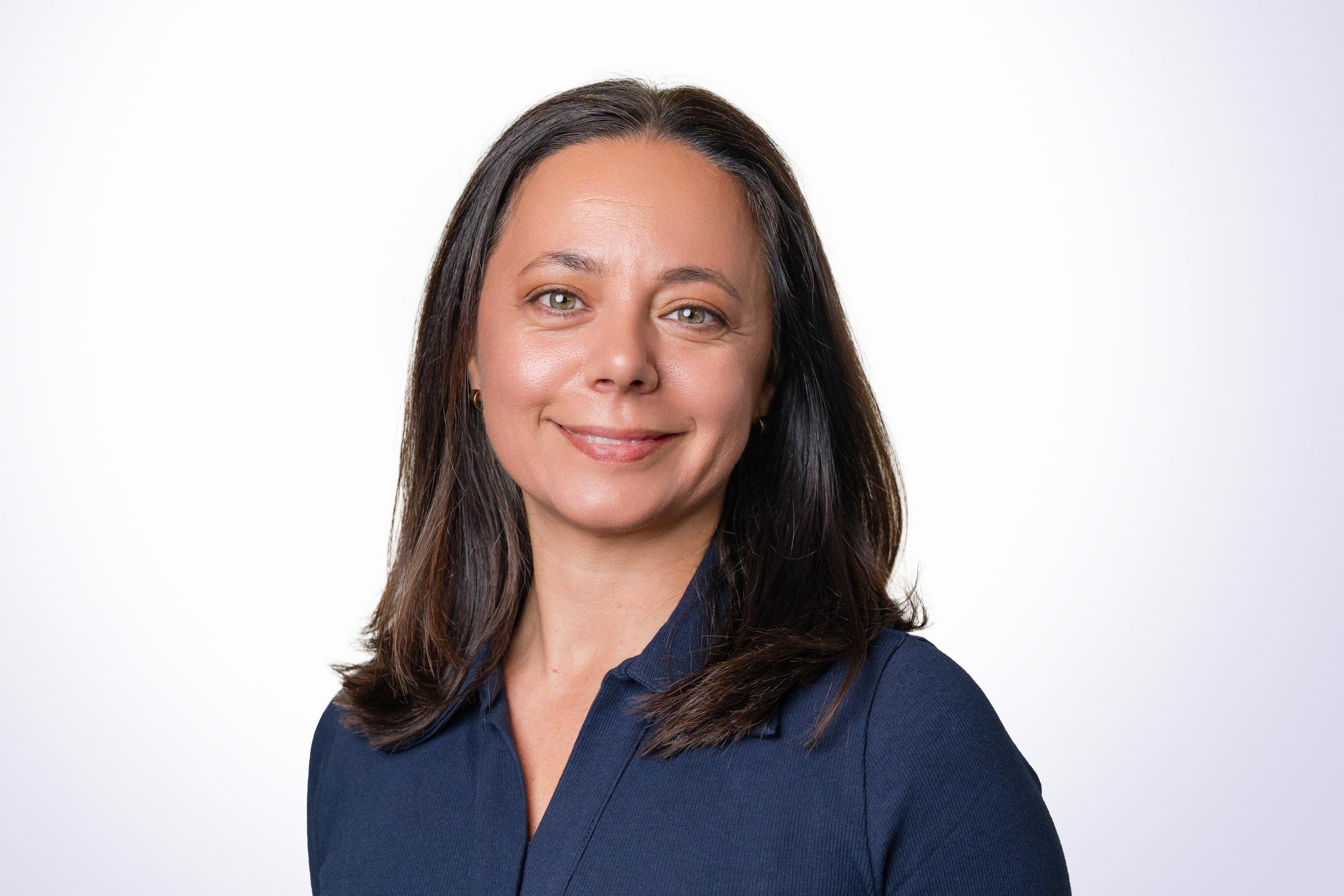
Lina Barrera
Senior Vice President, Center for Policy and Incentives
Mauricio Bianco
Chief Field Officer, Brasil
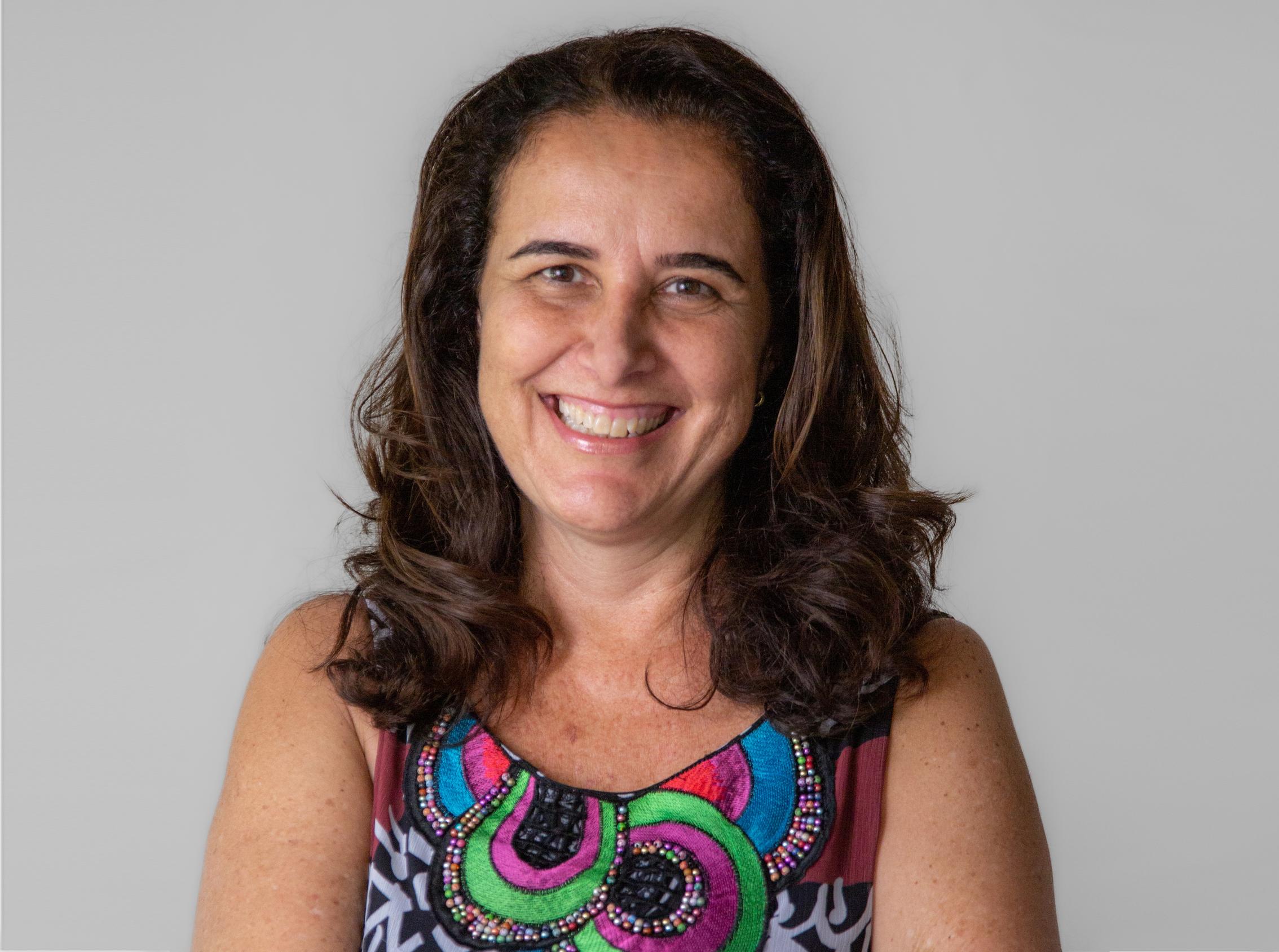
Rachel Biderman, Ph.D.
Senior Vice President and Chief Field Officer, South America
Francesca Cantarella
Deputy Chief People & Culture Officer

Meizani Irmadhiany
Senior Vice President and Executive Chair of Konservasi Indonesia

Olivier Langrand
Executive Director, Critical Ecosystem Partnership Fund

Herbert Lust
Chief of Public and Corporate Partnerships and Resource Mobilization Strategy
Ashleigh McGovern
Senior Vice President, Center for Oceans

Cynthia McKee
Senior Vice President, Strategic Gifts
Bambi Semroc
Senior Vice President, Center for Regenerative Economies
Deborah Spalding, CFA
Global Head, Nature Finance

Cynthia Tapley
Chief Development Officer
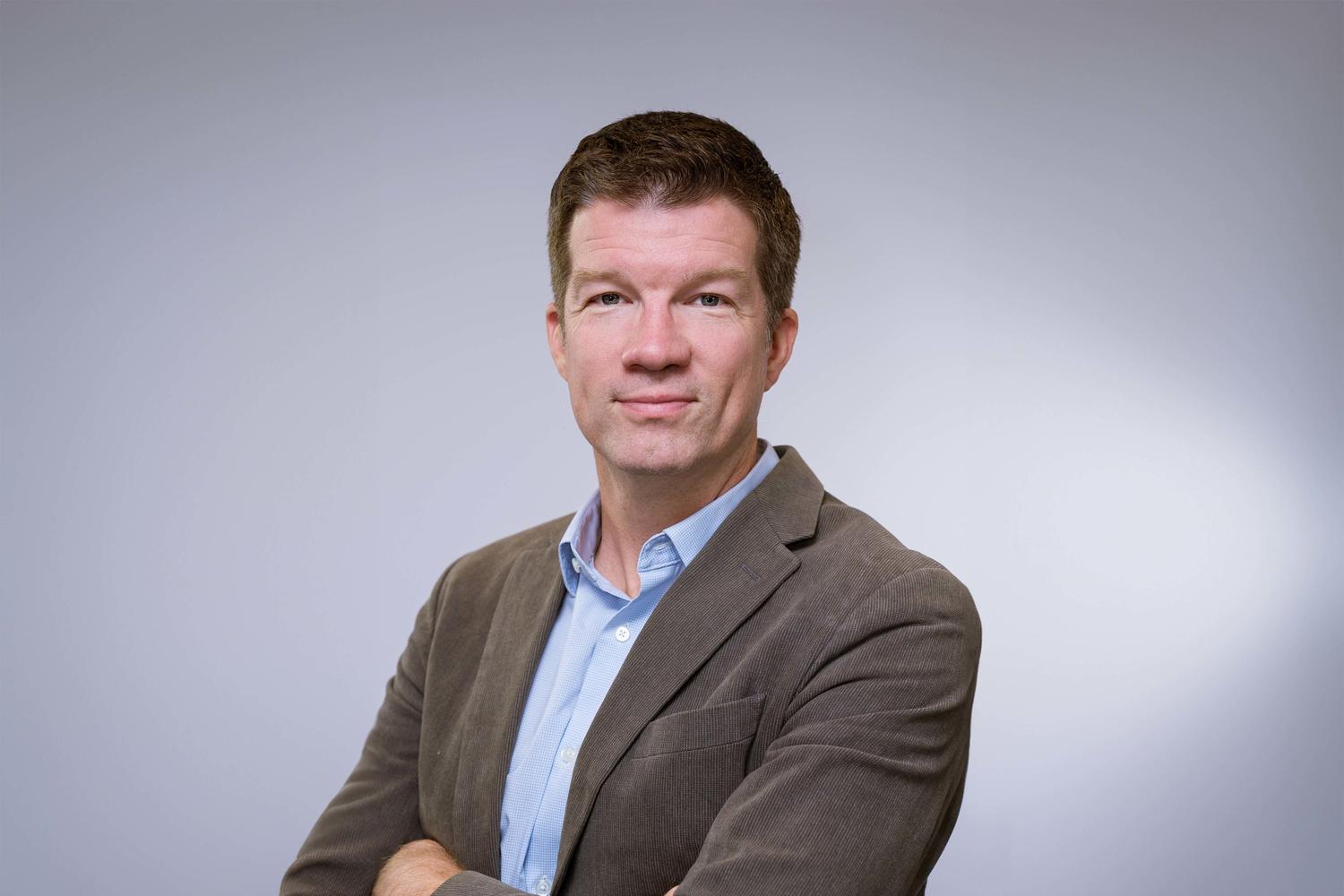
Will Turner, Ph.D.
Senior Impact Advisor
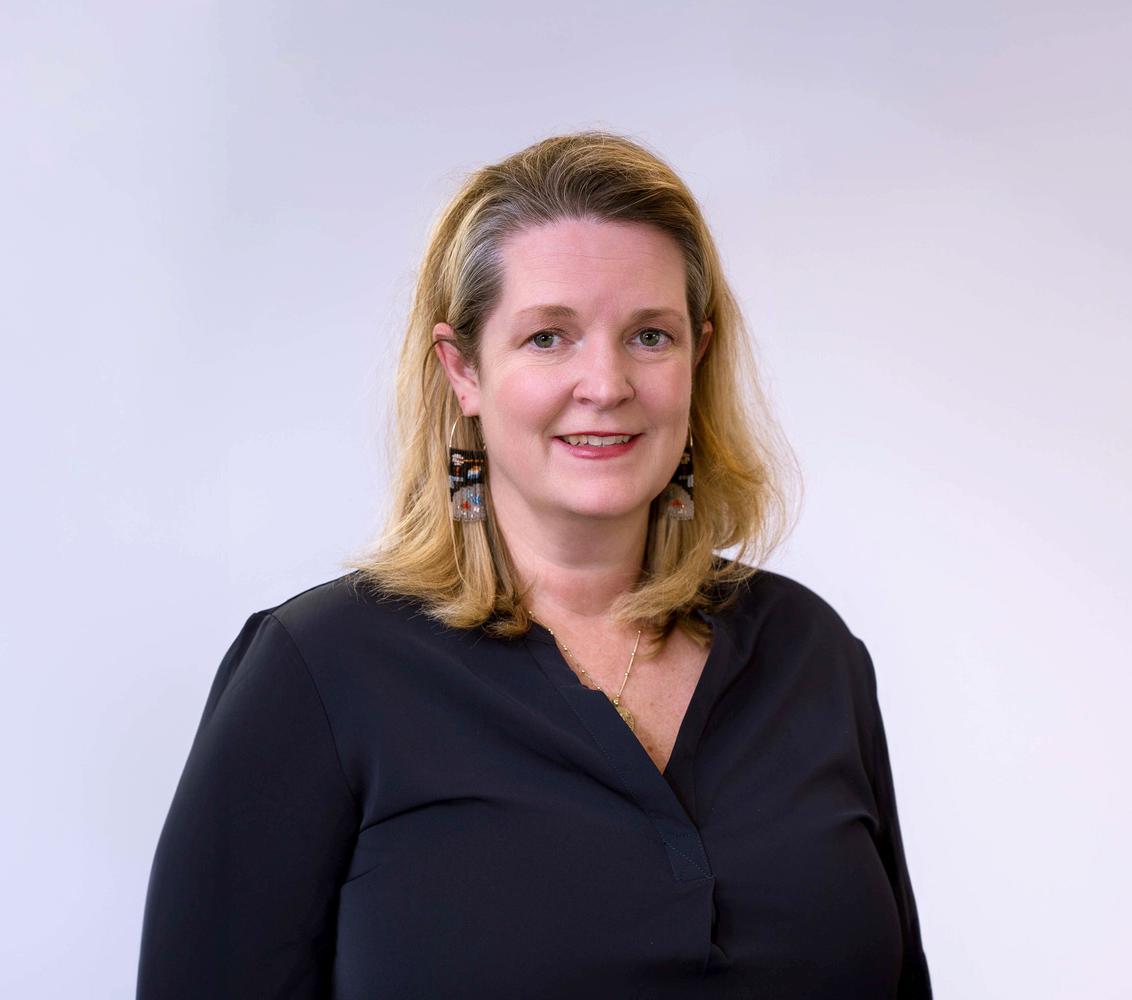
Kristen Walker Painemilla
Senior Vice President, Community-Led Solutions Partnership
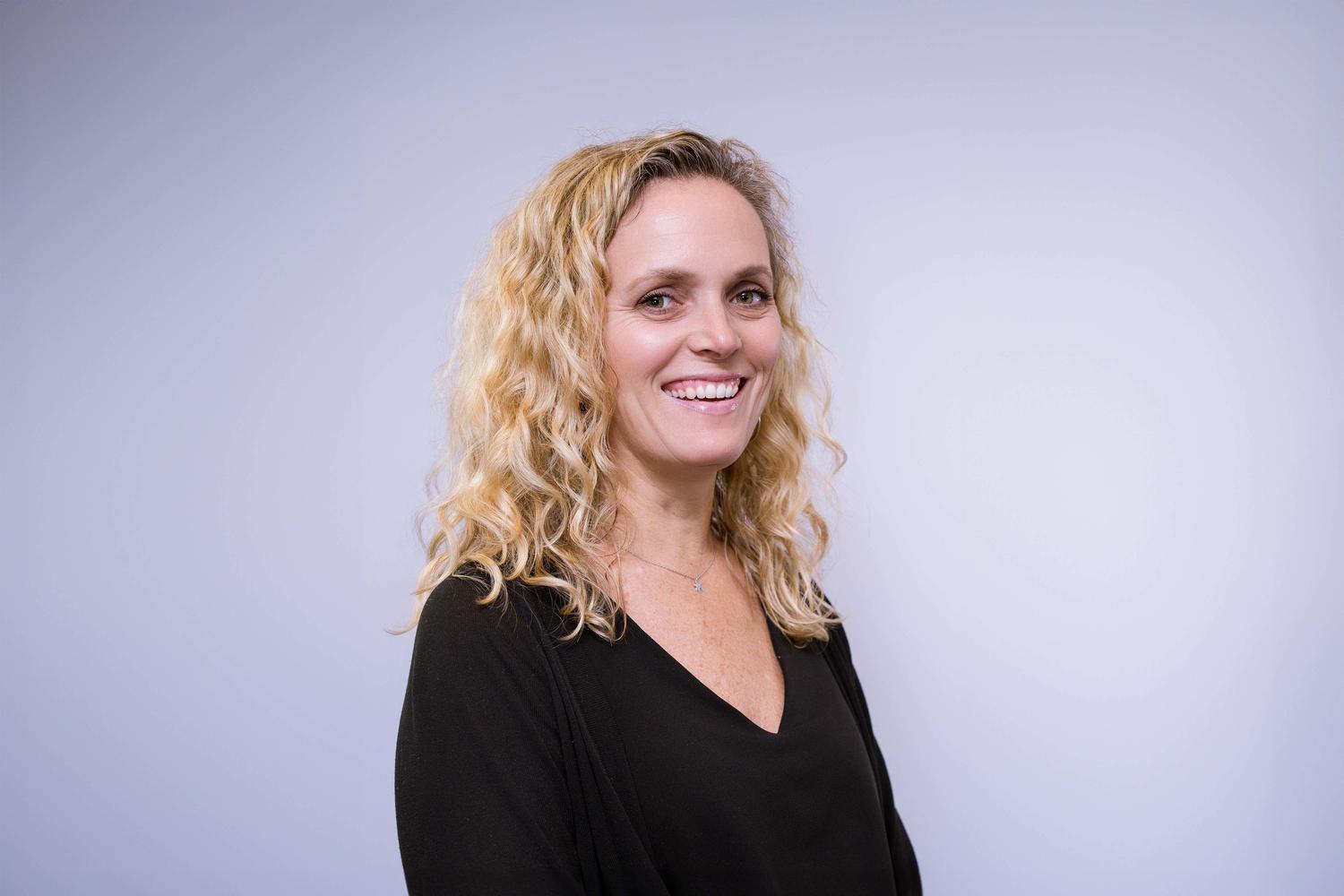
Stephanie Wear, Ph.D.
Senior Vice President, Betty and Gordon Moore Center for Science and Solutions
Country Directors
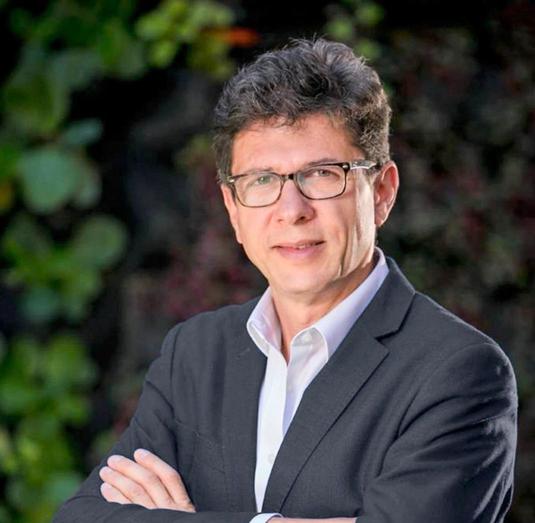
Carlos Costa
Vice President, Conservation International-Colombia
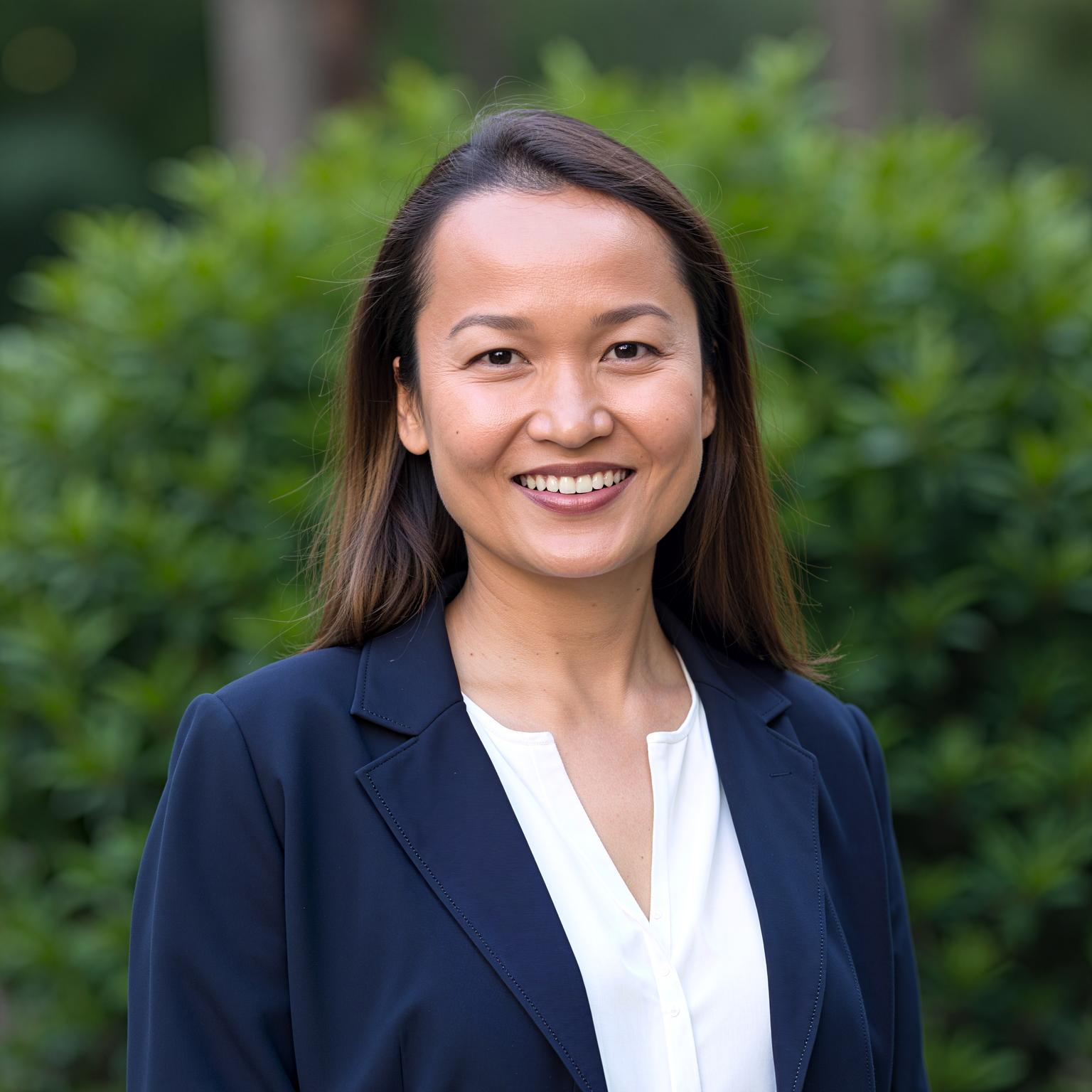
Farrah Fadil
Director, Partnerships and Strategic Engagements, Singapore
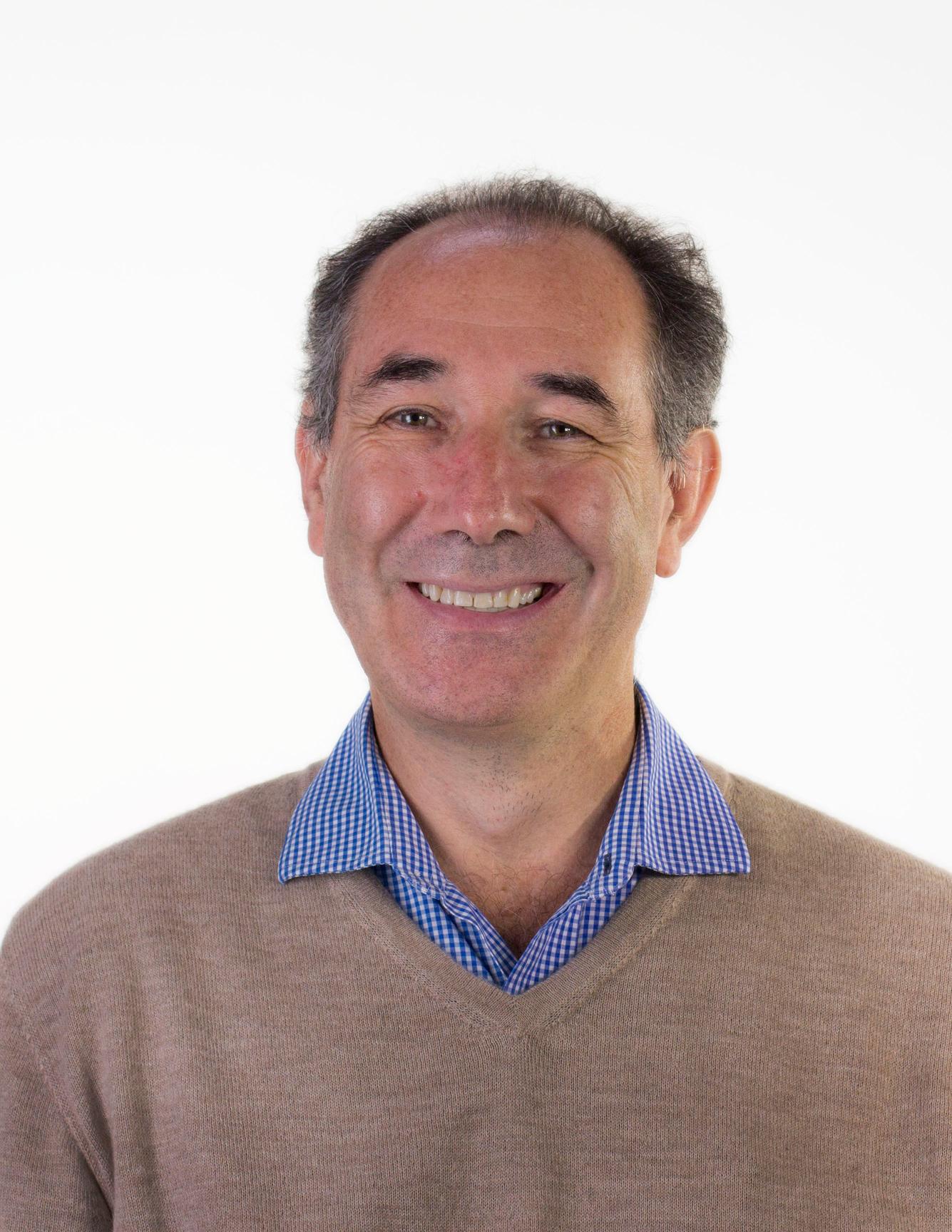
Eduardo Forno
Vice President, Conservation International-Bolivia
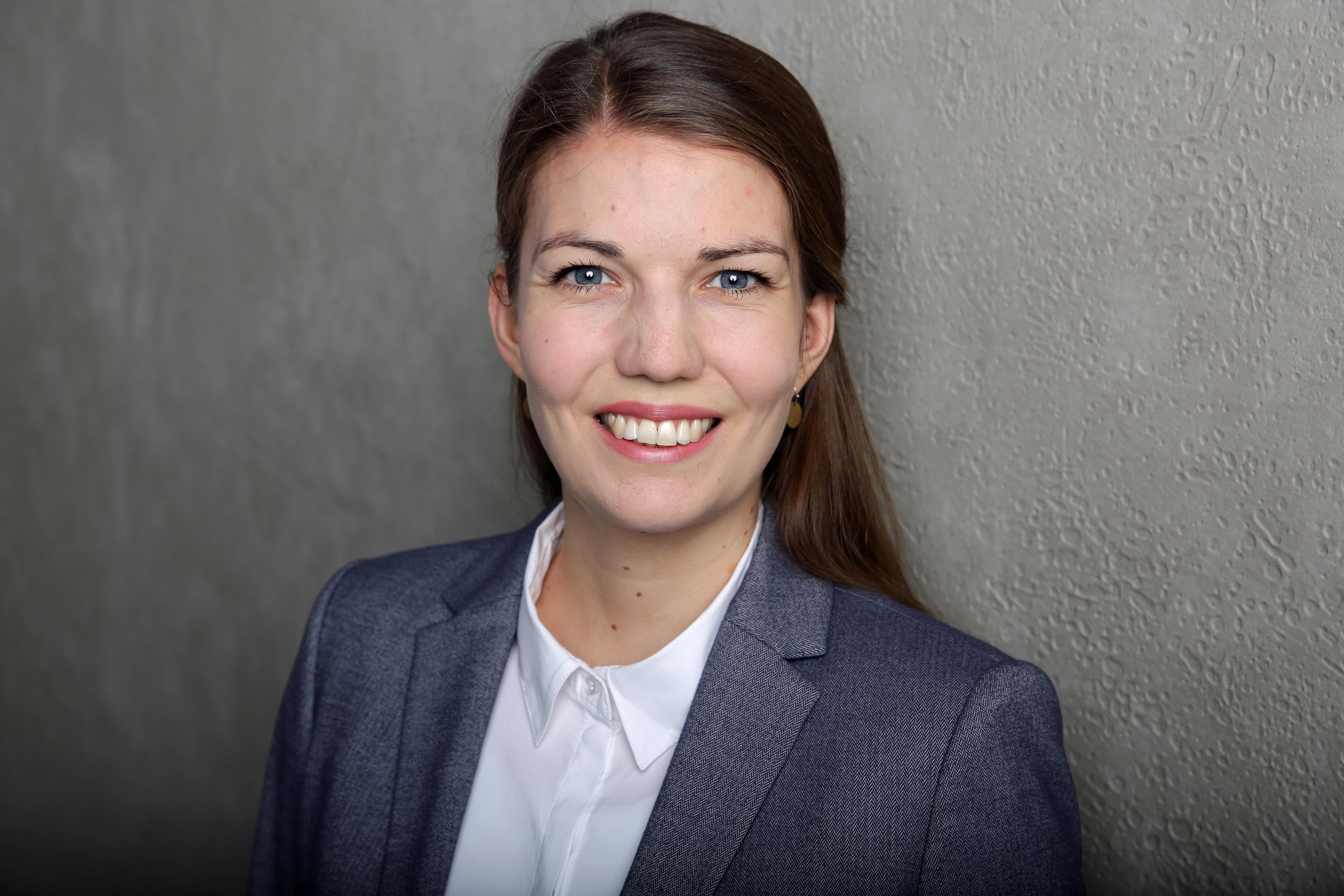
Mona Freundt
Director, Conservation International-Germany
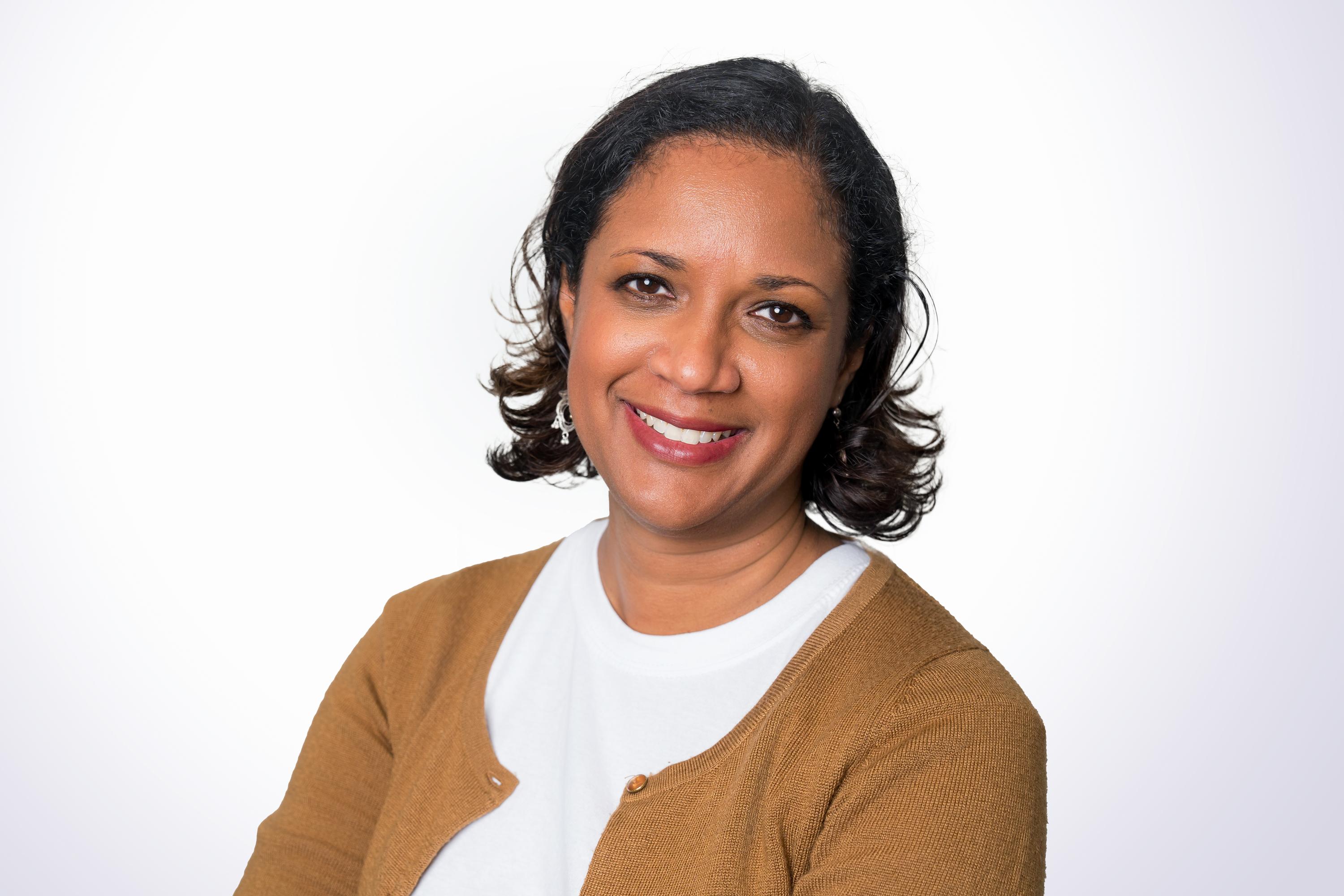
Gina Griffith
Executive Director, Conservation International-Suriname
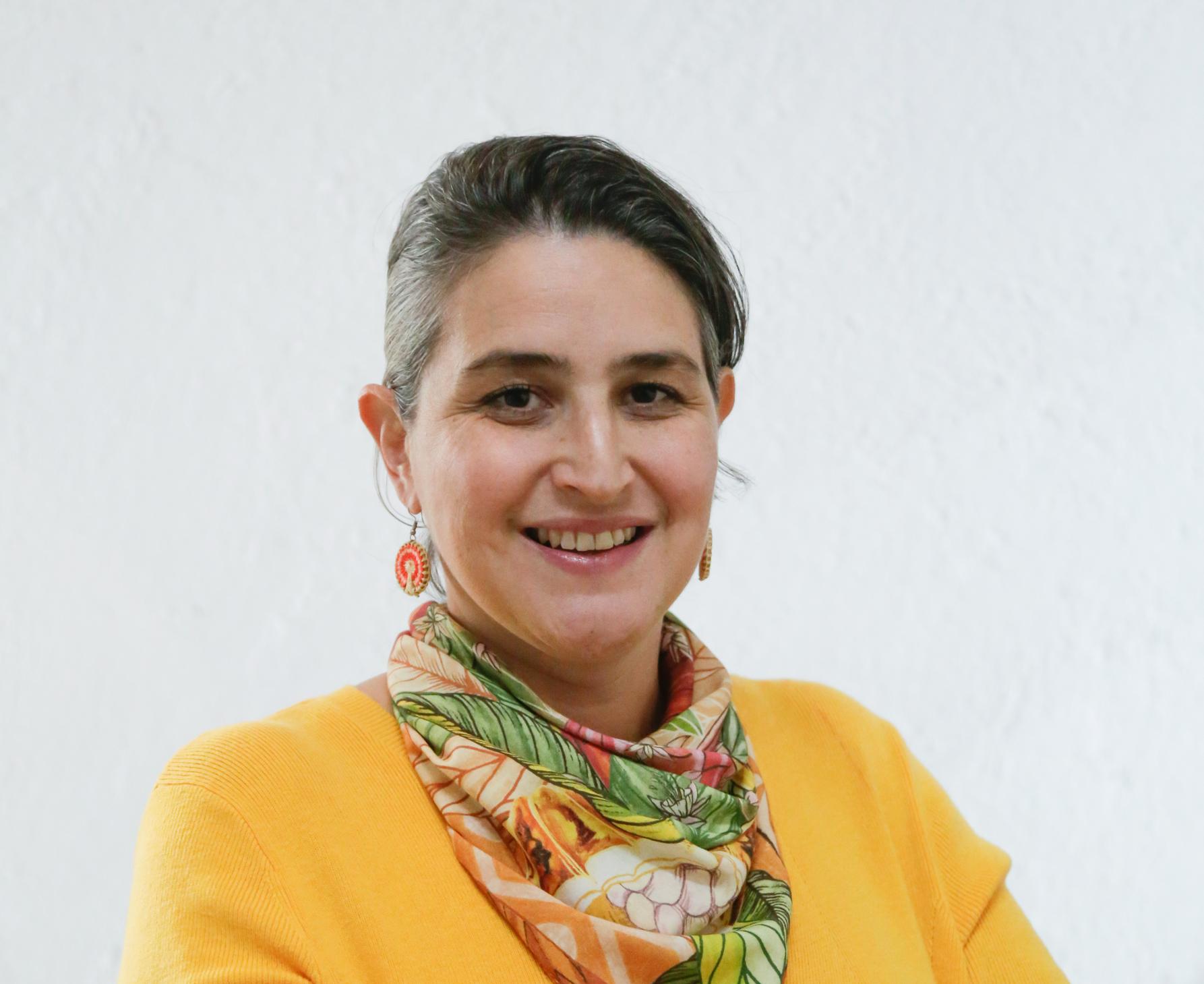
Leticia Gutiérrez Lorandi
Vice President, Conservation International-Mexico
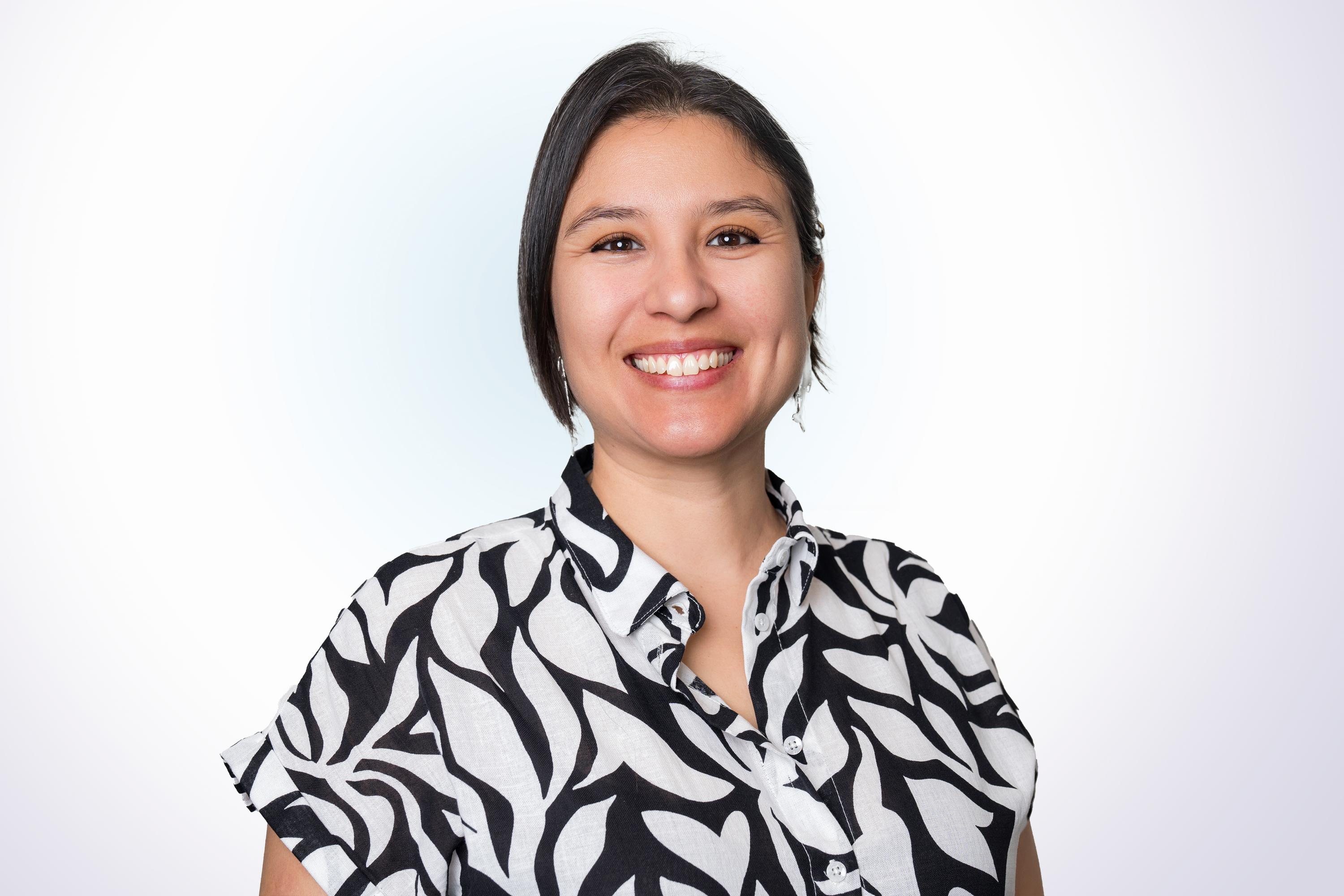
Ana Guzman
Executive Director, Conservation International-Costa Rica
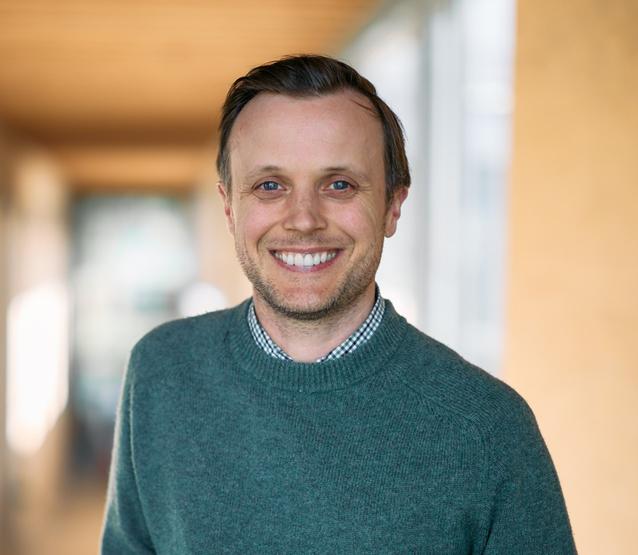
Jonathan Hall
Vice President, United Kingdom
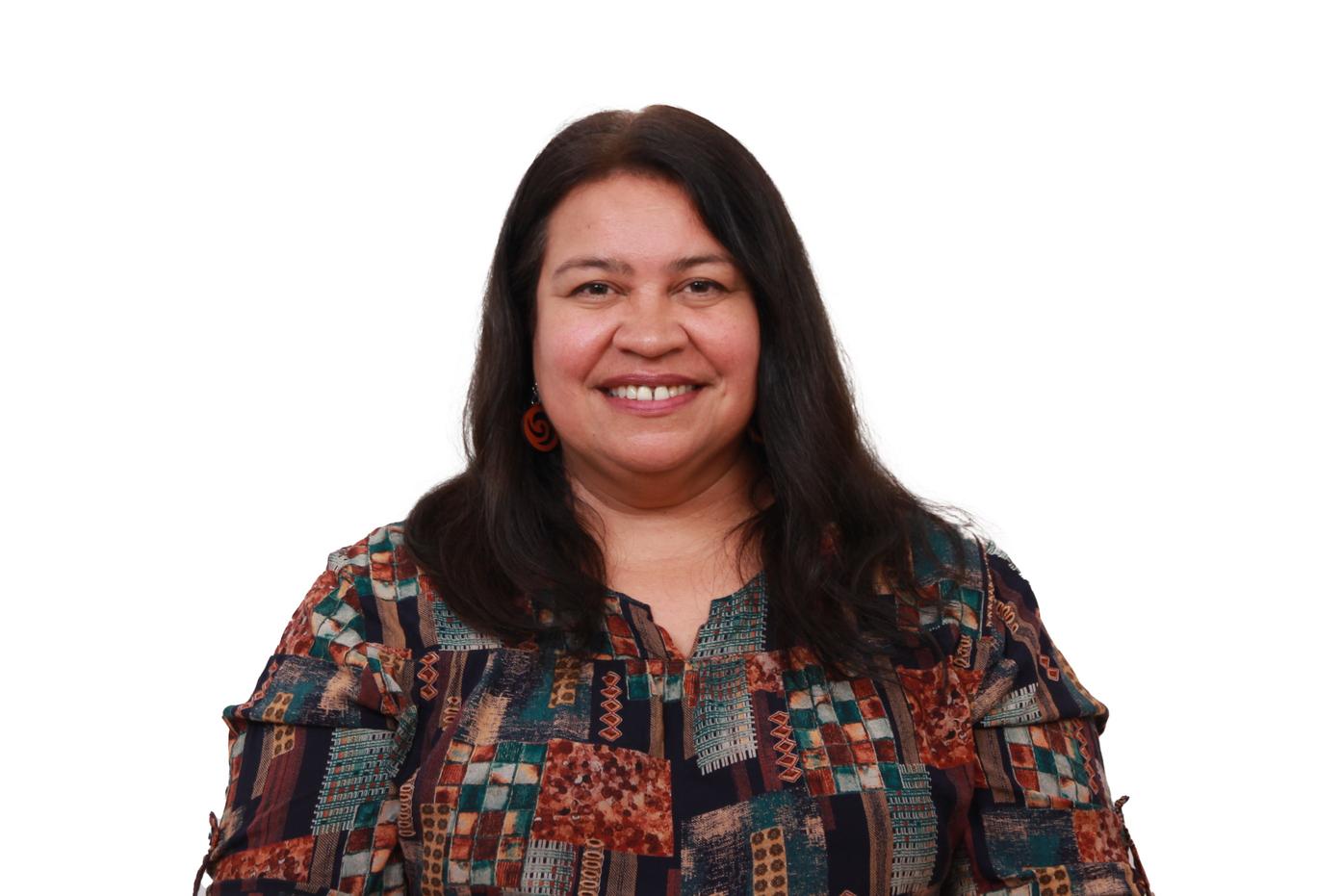
Tarita Holm
Conservation Partnership Director, Palau
Wilson John Barbon
Executive Director, Conservation International-Philippines

Amelia Juhl
Country Director, Conservation International-Japan

Mere Lakeba
Country Director, Conservation International-Fiji
Julia Levin
Vice President, Southern Africa
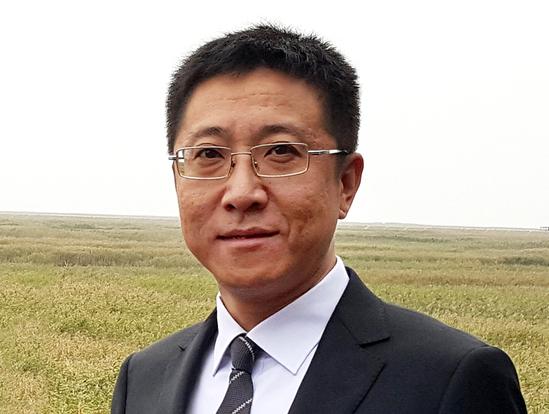
Xiaohai Liu
Executive Director, Conservation International-China
Manuel Mendes
Country Director, Conservation International-Timor-Leste
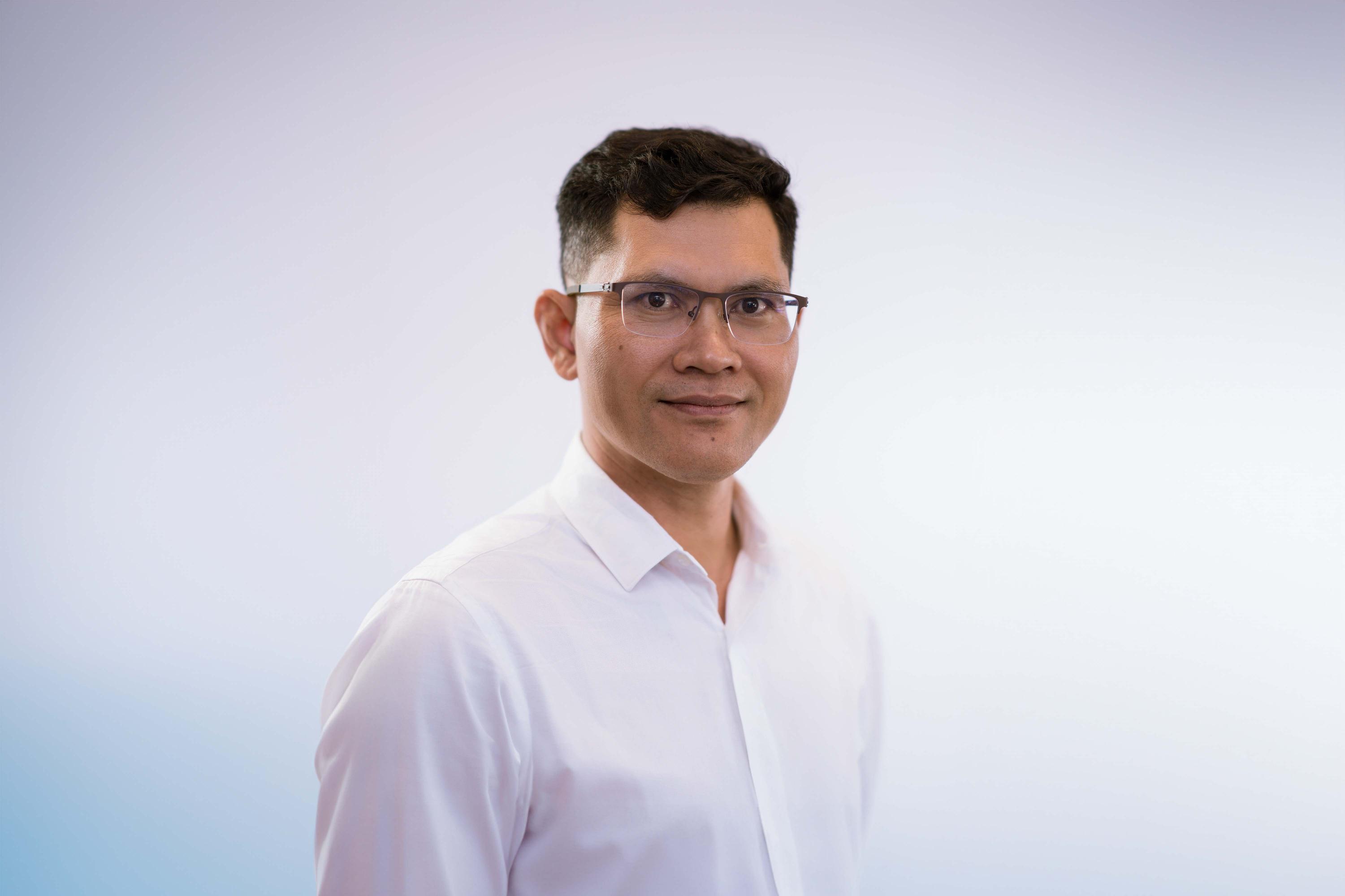
Sony Oum
Country Director, Conservation International-Cambodia
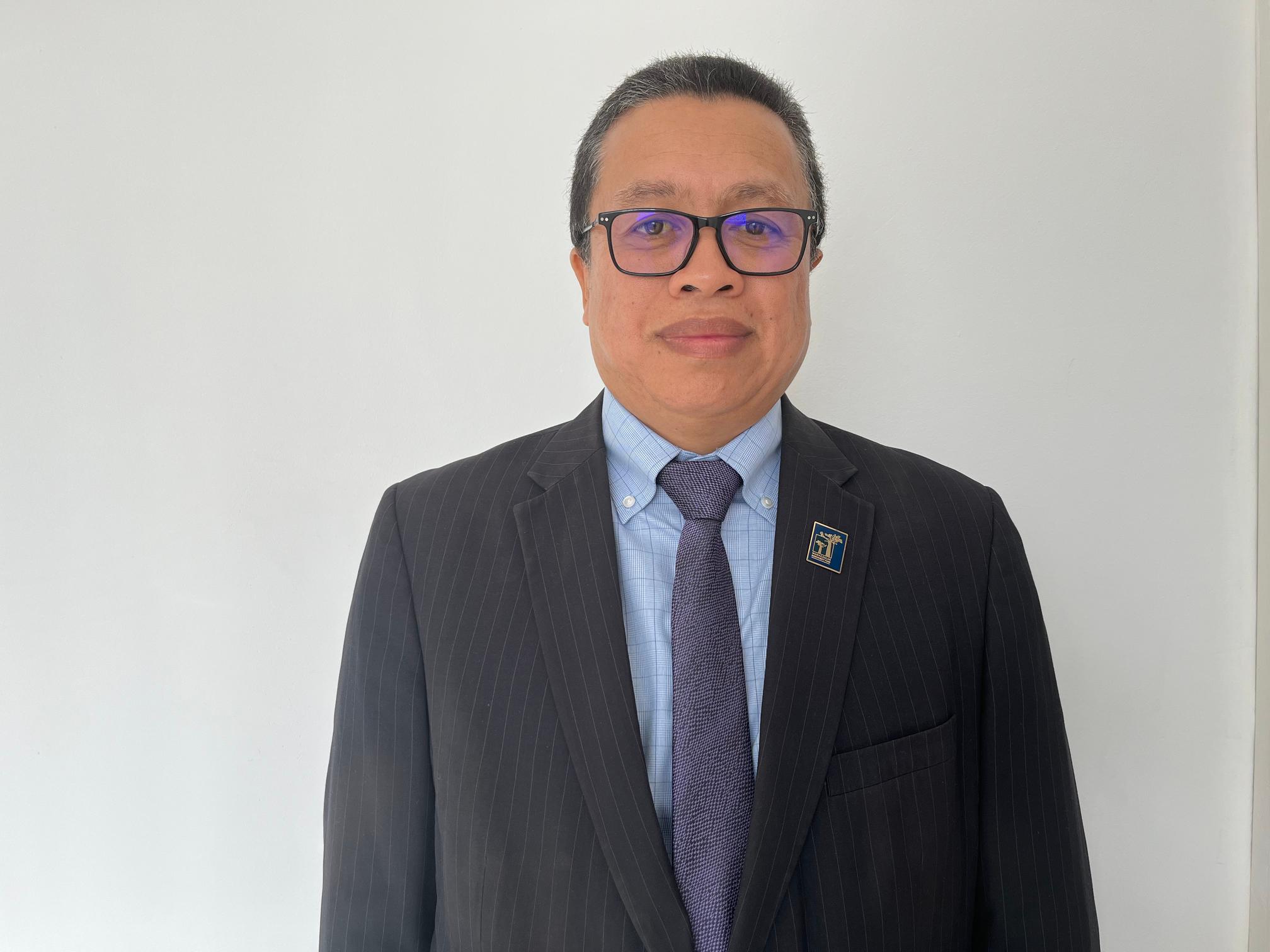
Bruno Rajaspera
Country Director, Conservation International-Madagascar
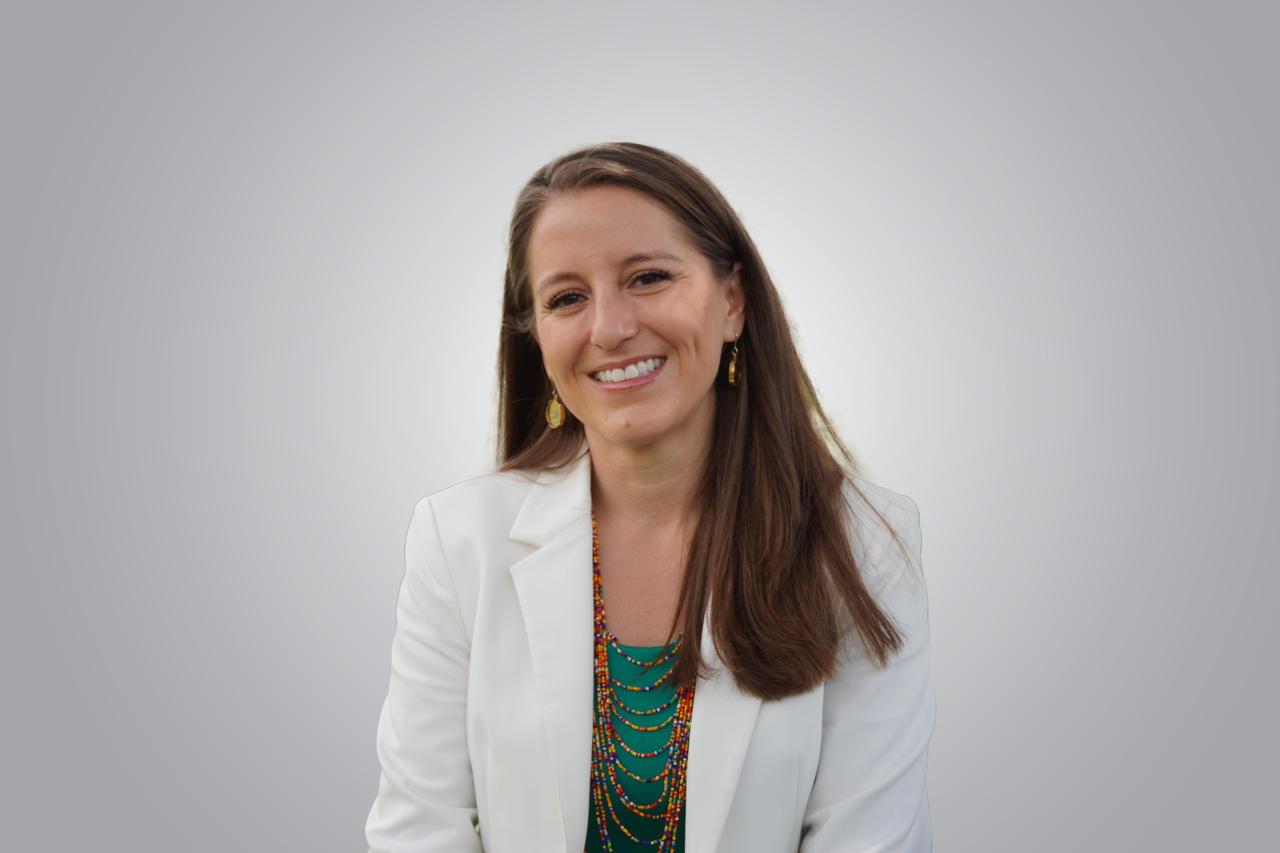
Carolina Rosero
Vice President and Executive Director, Conservation International-Ecuador

Portia Segomelo
Country Lead, Conservation International-Botswana
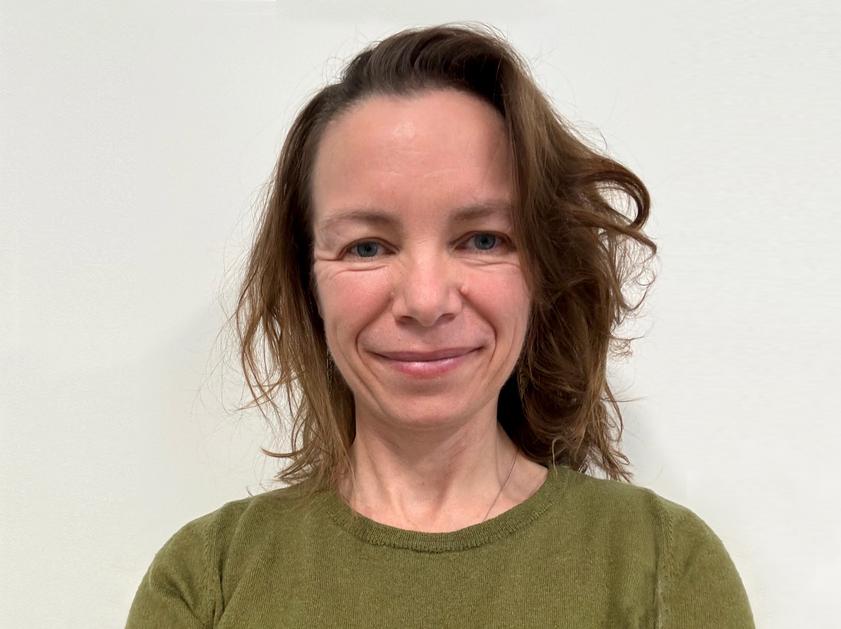
Virginia Simpson
Senior Country Manager, Conservation International-Australia
Office of the CEO
Sebastian Troëng, Ph.D.
Chief Executive Officer
Elise Larkin
Chief of Staff
Kelly Thalman
Vice President, Strategic Engagements
Conservation – Field & Technical Programs
Daniela Raik, Ph.D.
President and Chief Conservation Officer
Kelvin Alie
Deputy Chief Conservation Officer
Kavita Chambery
Vice President, Delivery
Will Turner, Ph.D.
Senior Impact Advisor
Jessica Leas
Vice President, Design
Americas
Rachel Biderman
Chief Field Officer, Americas
Mauricio Bianco
Chief Field Officer, Brasil
Lisa Famolare
Deputy Officer and Vice President Nature for Climate
Carmen Delgadillo
Vice President, Operations
Marco Quesada
Vice President, Oceans
Carlos Costa
Vice President, Conservation International-Colombia
Scott Henderson
Managing Director, Galapagos Program
Luis Espinel
Vice President, Conservation International-Peru
Eduardo Forno
Vice President, Conservation International-Bolivia
Curtis Bernard
Vice President, Conservation International-Guyana
Ana Guzman
Executive Director, Conservation International-Costa Rica
Leticia Gutiérrez Lorandi
Vice President, Conservation International-Mexico
Gina Griffith
Executive Director, Conservation International-Suriname
Carolina Rosero
Vice President, Conservation International-Ecuador
Asia Pacific
Jackson Frechette
Chief Field Officer, Asia
Mere Lakeba
Chief Field Officer, Pacific
Meizani Irmadhiany
Executive Chair of Konservasi Indonesia
Amelia Juhl
Country Director, Conservation International-Japan
Xiaohai Liu
Executive Director, Conservation International-China
Virginia Simpson
Senior Country Manager, Conservation International-Australia
Wilson John Barbon
Executive Director, Conservation International-Philippines
Manuel Mendes
Country Director, Conservation International-Timor-Leste
Sony Oum
Country Director, Conservation International-Cambodia
Fitri Hasibuan
Vice President, Indonesia program
Tarita Holm
Conservation Partnership Director, Palau
Jan Yoshioka
Vice President, Nature Finance
Africa
Jimmiel Mandima
Chief Field Officer, Africa
Tim Bromfield
Vice President, Africa
Seif Hamisi
Managing Director, East Africa
Valentine Ebua
Managing Director, West and Central Africa
Michael Kemokai
Country Director, Liberia
Julia Levin
Vice President, Southern Africa
Maria Loa
Project Executive Director, Angola
Bruno Rajaspera
Country Director, Conservation International-Madagascar
Portia Segomelo
Country Lead, Botswana
Betty and Gordon Moore Center for Science and Solutions
Johan Rockström, Ph.D.
Chief Scientist
Stephanie Wear, Ph.D.
Senior Vice President, Betty and Gordon Moore Center for Science and Solutions
Kathleen Flower
Vice President, Biodiversity Science
Virginia Gorsevski
Vice President, Nature Based Solutions
Jen Howard
Vice President, Blue Carbon Program
Guy Pinjuv
Senior Technical Advisor
Alex Zvoleff
Vice President, Science for Impact
Center for Oceans
Ashleigh McGovern
Senior Vice President, Center for Oceans
Emily Pidgeon
Vice President, Ocean Science and Innovation
People & Culture
Francesca Cantarella
Deputy Chief People & Culture Officer
Gray Chesson
Vice President, Global Human Resources
Center for Regenerative Economies
Bambi Semroc
Senior Vice President, Center for Regenerative Economies
John Buchanan
Vice President, Regenerative Commodity Systems
John Lotspeich
Vice President, Global Restoration Program
Percy Summers
ASU-SCF
Debby Ferdiany
Vice President, Operations, Asia Pacific Field Division
External Affairs – Governments, Corporates, IPLCs, Donors and Grantees
Patricia Zurita
Executive Director and Chief External Affairs Officer
Critical Ecosystem Partnership Fund
Olivier Langrand
Executive Director
Jack Tordoff
Vice President
Green Climate Fund Implementing Agency
Steve Panfil
Vice President, CI-GCF Agency
Global Environment Facility Project Agency
Orissa Samaroo
Vice President, GEF Policy and Portfolio Management
Free de Koning
Vice President, Project Development and Impact
Susana Escudero
Vice President, Grants Management
Blue Nature Alliance
Laure Katz
Executive Director
Seed Fund
Matteo Cantoro
Development
Cynthia Tapley
Chief Development Officer
Erin Carmany
Vice President, Development and Campaign Director
Cynthia McKee
Senior Vice President, Strategic Gifts
Julia Upham
Vice President, Individual Giving
Judy Agnew
Vice President, Philanthropy
External Grants and Contracts Unit
Lea Blubaugh
Vice President
Resource Mobilization
Herbert Lust
Chief Global Resource Mobilization
Jonathan Hall
Vice President, Resource Mobilisation Centres and CI-UK Managing Director
Naomi Kingston
Vice President, Global Resource Mobilization
Amanda Sennert
Vice President, Outreach and Partnership Development
Jean-Denis Langlois
Vice President, People and Operations
Wendy Mathia
Vice President, Grants Management and Delivery
Marielle Canter Weikel
Vice President, Corporate Partnerships
Center for Policy and Incentives
Lina Barrera
Senior Vice President
Pasha Majdi
Vice President, US Government Policy and Strategy
Finance and Operations
Jos Williams
Vice President, Finance and Operations
Global Indigenous Peoples and Local Communities Center
Francisco Souza
Senior Vice President
Johnson Cerda
Vice President, IPLC Engagement and Partnerships
Kristen Walker Painemilla
Senior Vice President, Center for Communities and Conservation
Luis Barquin
Vice President, Communities and Innovation
Global Functions
Nature Finance Division
Deborah Spalding, CFA
Global Head, Nature Finance
Bjorn Stauch
Senior Vice President, Nature Finance
Chris Stone
Vice President, Long-Term Finance
Jana Lessenich
Vice President, Sustainable Finance
Chris Zink
Vice President, Nature Finance
Nikola Alexandre
Vice President, Nature Fund Advisory
Robert Baigrie
Vice President, Climate Finance
Brand + Communications
Len Costa
Chief Communications and Marketing Officer
Finance, Award Management + Grants and Contracts
Barbara DiPietro
Chief Financial Officer
Lisa Mangkonkarn
Controller, Vice President
Matthew Wooliever
Vice President, Financial Information Management and Services
General Counsel’s Office
Rick Nash
General Counsel and Chief Legal Officer
Patricia Petty
Vice President and Deputy General Counsel
Judith Reyes
Vice President, Nature Finance Legal
Global Information Technology
Rodrigue Odom
Acting Chief Information and Technology Officer
Risk and Operations
Jennifer Probst
Vice President, Policy, Risk and Operations